
 +86-0755-86131192
 2025-02-05
The Role of the Foot in Biomechanics and the Importance of Plantar Pressure Distribution Systems
In the human biomechanical system, the foot serves as the foundational structure that supports the body's entire weight. Its health directly influences gait stability, joint load distribution, and overall movement functionality. With advancements in technology, plantar pressure distribution systems have become essential tools for evaluating foot biomechanics and providing scientific support for the design of personalized orthotic insoles. Accurate plantar pressure data not only identifies gait abnormalities but also allows for individualized correction and optimization, contributing to a healthier walking pattern.
Core Functions of the Plantar Pressure Distribution System
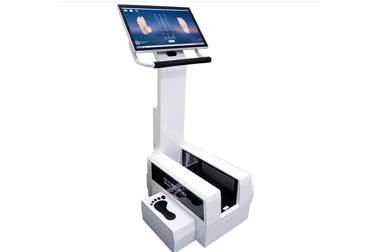
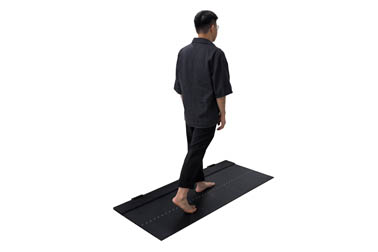
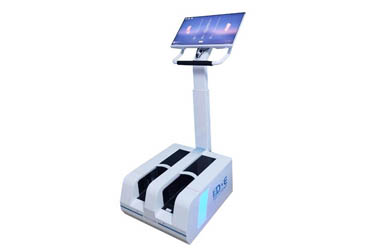
The plantar pressure distribution system is a specialized device that integrates high-precision sensors, data acquisition technology, and biomechanical analysis algorithms. It continuously monitors pressure distribution across different regions of the foot and provides visualized data support. The system's key functions include:
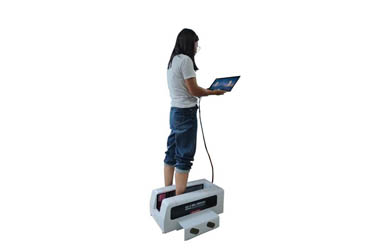
Static Measurement: Analyzing plantar pressure distribution while standing to assess arch height, foot symmetry, and areas of pressure concentration, helping identify potential load imbalances.
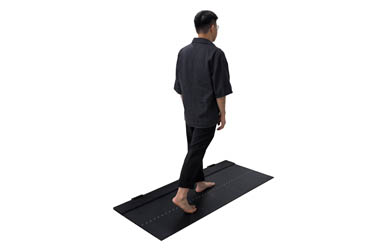
Dynamic Gait Analysis: Recording plantar pressure variations during walking or running to detect gait abnormalities such as excessive pronation, supination, uneven stride length, or gait instability.
Biomechanical Parameter Calculation: Accurately measuring key indicators such as foot contact area, peak pressure, step frequency, and gait cycle to support the personalized design of corrective insoles.
Through these analyses, the plantar pressure distribution system helps users gain in-depth insights into their foot health and provides a scientific basis for targeted interventions. For example, individuals with flat feet often exhibit decreased arch height and increased medial foot pressure, while those with high arches may experience excessive pressure on the forefoot and heel, increasing the risk of fatigue-related injuries.
Custom Orthotic Insoles: Process and Function
Custom orthotic insoles are functional insoles designed to optimize individual foot structure, improve gait patterns, balance plantar pressure distribution, and provide additional support to reduce abnormal foot strain. The process of designing custom orthotic insoles typically includes the following steps:
Plantar Pressure Measurement: Using the plantar pressure distribution system to collect static and dynamic pressure data, analyzing gait characteristics and load distribution patterns.
Gait and Biomechanical Evaluation: Assessing data results to determine the presence of arch abnormalities, uneven plantar pressure, or gait irregularities, and establishing correction objectives.
Insole Design: Selecting appropriate support structures and cushioning materials based on the foot’s anatomical features and correction needs. For example, arch support, heel stabilizers, or forefoot cushioning zones may be incorporated to optimize plantar pressure distribution.
3D Printing or Precision Manufacturing: Employing advanced fabrication techniques to create insoles that conform precisely to individual foot anatomy, ensuring optimal fit and corrective effects.
Fitting and Adjustments: Fine-tuning the insoles based on user feedback to achieve maximum comfort and corrective efficiency.
Combined Benefits of Plantar Pressure Analysis and Custom Orthotic Insoles
Integrating plantar pressure distribution systems with custom orthotic insoles significantly enhances foot health management accuracy. Key benefits include:
Precise Analysis for Improved Correction: Accurate data measurement and analysis ensure that orthotic insole designs are scientifically grounded, effectively addressing uneven plantar pressure distribution.
Personalized Customization for Optimized Gait: Tailored correction solutions for various foot conditions (e.g., flat feet, high arches, rearfoot instability) enhance walking stability and comfort.
Prevention of Foot Disorders and Reduced Long-term Injury Risk: Optimizing plantar pressure distribution helps prevent common foot disorders such as plantar fasciitis, tibial stress injuries, and knee osteoarthritis. This is particularly beneficial for athletes, individuals with prolonged standing occupations, and the elderly.
The precise measurement capabilities of the plantar pressure distribution system make the customization of orthotic insoles more scientific and data-driven. Through personalized foot correction solutions, users can effectively improve gait issues, enhance walking comfort, and minimize long-term movement-related injuries. Whether for athletes seeking performance optimization, professionals required to stand for extended periods, or elderly individuals looking to alleviate foot fatigue, orthotic insoles based on plantar pressure analysis serve as a vital tool for achieving a healthier gait.
 Back to list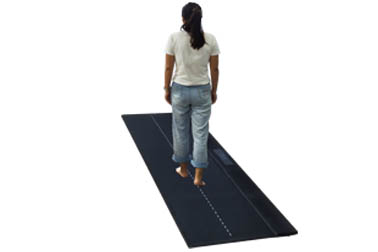


 +86-0755-86131192