
 +86-0755-86131192
 2025-02-11
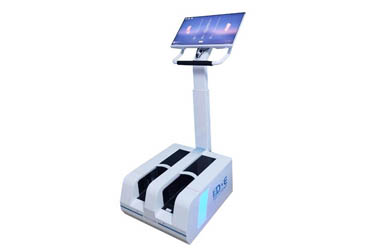
The plantar pressure test system is a professional device used to measure the force on the sole of the foot. It is widely used in medicine, rehabilitation, sports science, orthopedics and shoe design.
It uses advanced sensing technology to analyze the plantar pressure distribution, gait characteristics and sports biomechanical parameters to help identify foot abnormalities, improve gait and optimize sports performance.
1. Working principle of the plantar pressure test system
The plantar pressure test system usually consists of a pressure sensor array, a data acquisition module and analysis software. It uses sensing technology to record the force on the sole of the foot. The main principles include:
(1)Pressure sensor detection
The system uses high-precision capacitive, piezoelectric or strain gauge pressure sensors, which are distributed in the measuring plate or insole to detect pressure changes in different parts of the sole of the foot.
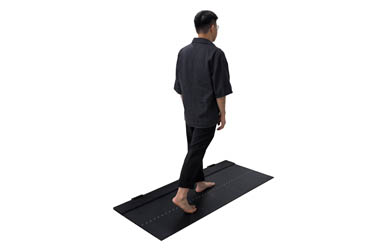
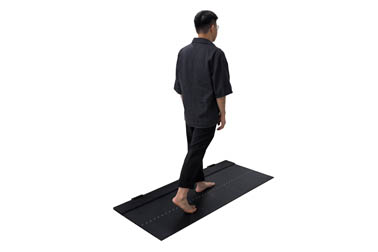
Plantar pressure distribution system
(2)Data acquisition and conversion
The sensor converts the plantar pressure into an electrical signal, transmits it to the data acquisition module, and performs numerical conversion and storage.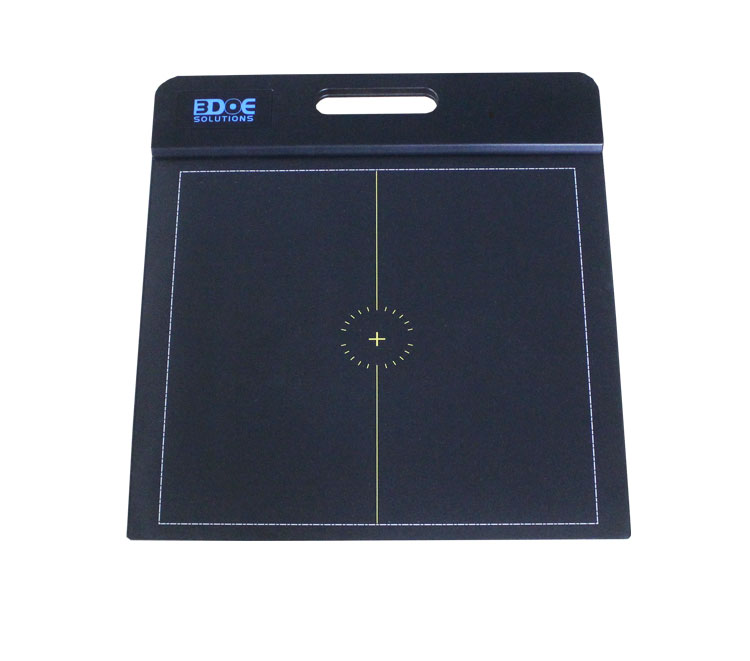
(3) Dynamic/static test analysis
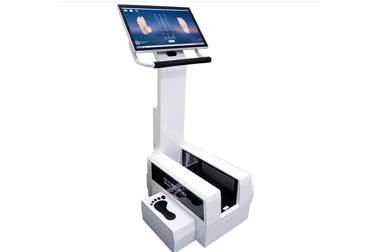
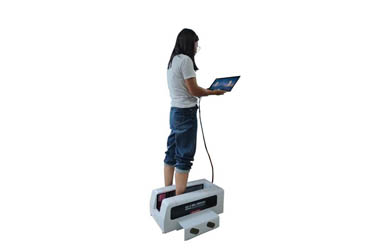
Static test: Measure the static pressure distribution of the sole of the foot when standing, and evaluate the arch state, body balance, etc.
Dynamic testing: measure pressure changes during walking or running, and analyze gait characteristics, such as step length, cadence, foot load distribution, etc.
(4)Data processing and visualization
Calculate plantar pressure peak, contact area, and plantar center trajectory (COP), and generate a visualized plantar pressure heat map or three-dimensional data model.
2. The main functions of the plantar pressure testing system
(1) Medicine and rehabilitation
Foot disease diagnosis: help doctors diagnose foot diseases such as flat feet, high arches, and risk of diabetic foot ulcers.
Postoperative rehabilitation assessment: monitor gait recovery after lower limb surgery (such as knee and ankle surgery).
Fall risk prediction: gait analysis of the elderly, assessment of balance ability, and reduction of fall risk.
(2) Sports and biomechanics
Athlete gait optimization: analyze running, walking and other movement patterns to improve sports performance and reduce injuries.
Sports injury prevention: identify abnormal pressure areas on the plantar during exercise to prevent fatigue fractures or foot injuries.
(3) Orthotics and shoe design
Personalized corrective insole design: Customized corrective insoles based on plantar pressure data to relieve abnormal foot pressure.
Shoe product development: Optimize sole design to improve shoe comfort and support performance.
3. Main application scenarios
(1) Hospitals and rehabilitation institutions: Used for foot disease diagnosis, postoperative rehabilitation evaluation, etc.
(2) Sports medicine and training centers: Athlete gait optimization, sports injury prevention, etc.
(3) Orthotics and shoe customization: Customized personalized corrective insoles and professional sports shoes.
(4) Elderly health management: Fall risk assessment, improve walking stability.
4. Future development trends
Artificial intelligence analysis: Combined with AI deep learning, automatic identification of abnormal foot patterns.
Wireless portability: Develop wearable plantar pressure detection equipment to improve convenience.
Real-time feedback system: Combined with VR/AR technology, real-time gait correction and training guidance
 Back to list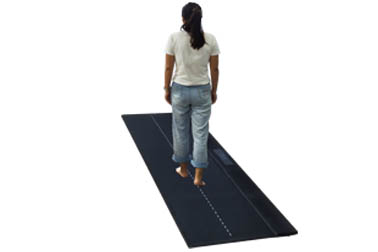


 +86-0755-86131192