
 +86-0755-86131192
 2025-03-21
Relationship between plantar pressure distribution and prevention of lower limb injuries
1. Abnormal plantar pressure distribution is the core cause of lower limb injuries
Mechanical imbalance leads to local overload
Uneven plantar pressure distribution can lead to abnormal biomechanical chain of lower limbs, such as arch collapse (flat feet) causing high pressure on the medial side of the foot, increasing the risk of plantar fasciitis and tibial stress fractures.
If the pressure in the forefoot or heel area is too high during running (such as accounting for more than 50% or 30% of the normal range), it may cause Achilles tendonitis, knee cartilage wear and other injuries.
Abnormal gait and compensatory injuries
Inversion and valgus of the foot (such as excessive inversion leading to arch collapse) will change the force line of the lower limbs, causing knee valgus or compensatory tilt of the hip joint, and then induce patellofemoral pain syndrome and hip impingement.
The deviation of the center of pressure in dynamic gait (such as significantly higher heel pressure on one side than the other side) may reflect scoliosis or pelvic tilt, which requires early intervention through pressure data.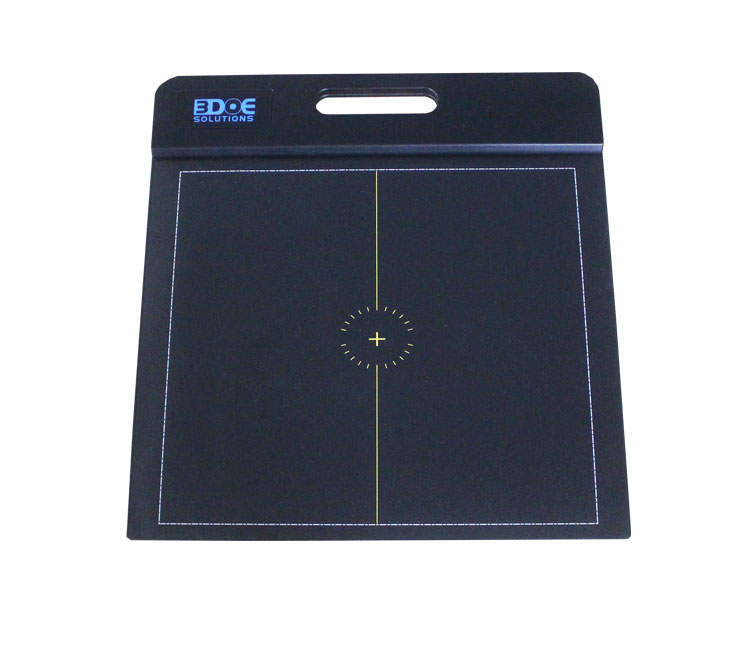
2. Biomechanical correction strategy based on pressure distribution
Personalized orthopedic intervention
Identify high-load areas (such as metatarsal heads and heels) through plantar pressure heat maps, customize 3D printed insoles to disperse pressure, reduce the risk of diabetic foot ulcers and relieve plantar fasciitis.
For children with flat feet or adolescents with valgus, design orthopedic solutions in combination with dynamic pressure monitoring to prevent bone deformities and gait abnormalities.
Optimization of sports posture and equipment
Running enthusiasts optimize landing methods through dynamic pressure testing: those with high pressure on the forefoot need to adjust to full-palm landing, and those with high pressure on the heel need to increase the step frequency to reduce impact force.
Choose functional footwear according to pressure distribution: high arch feet need cushioning running shoes, flat feet need arch support shoes to avoid aggravating injuries due to improper footwear.
3. Long-term monitoring and injury risk warning
Dynamic pressure data guides training plans
Athletes adjust training intensity through real-time pressure feedback, such as reducing repeated impact movements in the high-pressure area of the metatarsal bones to reduce the risk of stress fractures.
Combined with pressure distribution and sports performance data, targeted muscle strength training (such as arch heel lift and tibialis anterior muscle strengthening) is designed to improve lower limb stability.
Risk prevention and control of special populations
Diabetic patients locate high-pressure areas through regular plantar pressure screening and use pressure-reducing insoles to reduce the risk of amputation.
Gait stability monitoring for the elderly: When the fluctuation amplitude of the pressure center increases, it indicates that the risk of falling increases and balance training is required.
IV. Technology integration and future directions
Intelligent monitoring system
Wearable pressure sensing devices (such as smart insoles) can achieve daily gait tracking and warn abnormal pressure patterns (such as sudden unilateral high pressure) through AI algorithms.
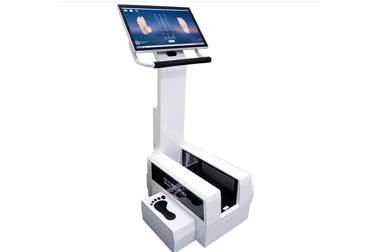
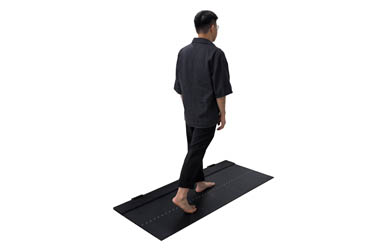
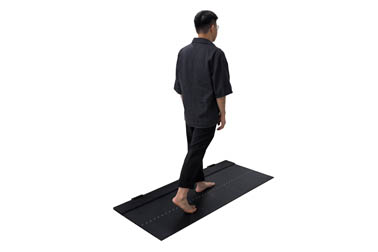
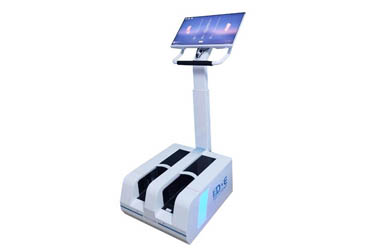
Clinical-grade pressure detection platform is combined with rehabilitation medicine to quantitatively evaluate the progress of postoperative foot function recovery in patients.
Multi-dimensional biomechanical intervention
Combine plantar pressure data with joint range of motion and muscle activation status to build a closed-loop management system for lower limb injury prevention.
Plantar pressure distribution is the "starting point" of the lower limb biomechanical chain. Its abnormality will cause chain injuries through force line conduction.
Through precise monitoring, personalized correction and dynamic intervention, common injuries such as plantar fasciitis and stress fractures can be effectively prevented, and a scientific prevention and control basis can be provided for high-risk scenarios such as diabetic foot and elderly falls.
 Back to list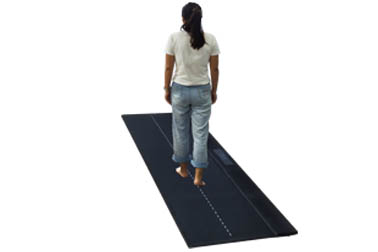


 +86-0755-86131192