
 +86-0755-86131192
 2025-04-07
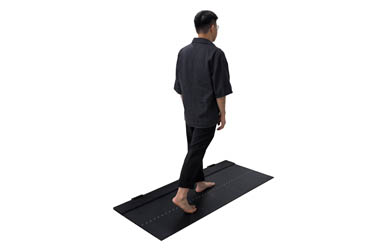
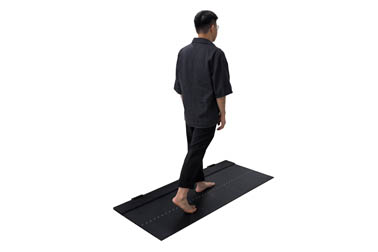
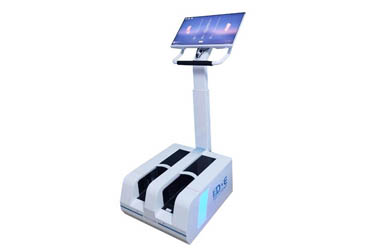
The role of the plantar pressure test board
1. Accurately detect foot abnormalities
The sensor array captures the plantar pressure distribution during static standing and dynamic walking, identifies structural abnormalities such as flat feet and high arches, and locates high-pressure areas (such as arch collapse and excessive forefoot load).
Combined with gait analysis, gait problems such as inversion, eversion or bilateral asymmetry are discovered, and the impact of abnormal lower limb force lines on the knee joint and spine is evaluated.
2. Guide sports injury prevention and optimize performance
Dynamic testing can analyze the pressure distribution in running, jumping and other sports, identify local high-pressure areas (such as plantar fasciitis risk areas), and guide the adjustment of sports posture or equipment to reduce the risk of injury.
Provide athletes with data on the changes in plantar pressure, optimize gait efficiency and energy consumption, and improve sports performance.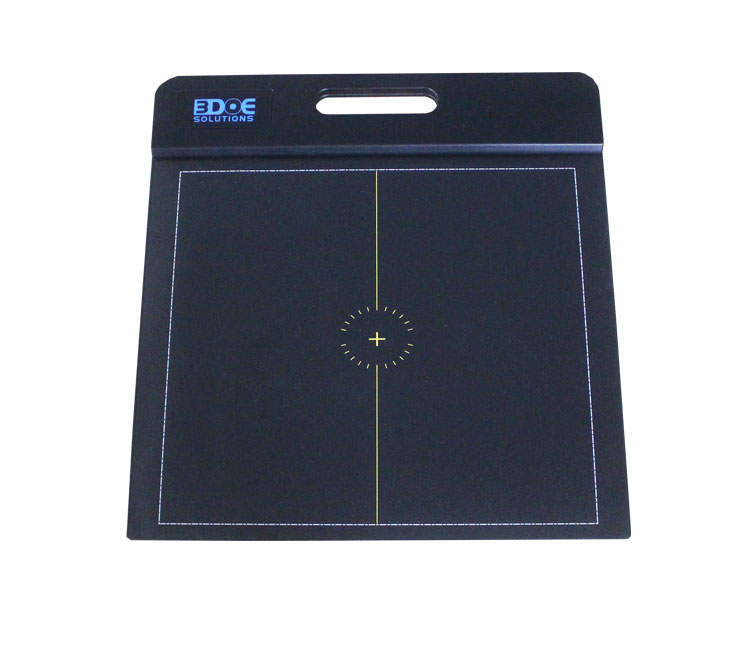
3. Assist in chronic disease management and rehabilitation monitoring
For patients with diabetic foot, detect high-pressure areas prone to ulcers, disperse pressure through customized insoles, and reduce the risk of amputation.
Compare the pressure data before and after treatment to quantitatively evaluate the rehabilitation effect (such as the degree of arch support recovery and the balance of pressure distribution).
4. Support personalized footwear and orthotic design
Based on foot shape and pressure data, customize 3D printed insoles or sports shoes that fit the foot to improve comfort and support.
Optimize the design in the footwear manufacturing industry to improve the ergonomic fit of the product (such as reducing forefoot pressure by 30%-50%).
The significance of measuring plantar pressure distribution
1. Medical diagnosis and intervention basis
Reveal the relationship between abnormal foot structure and biomechanical changes in the lower limbs, and provide quantitative diagnostic basis for flat feet, high arches, etc.
In diabetic foot management, ulcers are prevented through pressure monitoring, reducing the risk of tissue damage by more than 70%.
2. Gait analysis and sports science value
Dynamic pressure data reveals the plantar force characteristics in the gait cycle (such as heel contact and midfoot support phase), and assists in analyzing the causes of abnormal gait.
Provide basic data for sports biomechanics research, optimize training programs and reduce sports injuries.
3. Rehabilitation and health management guidance
By tracking the changes in plantar pressure over a long period of time, evaluate the efficacy of rehabilitation training or orthopedic devices, and dynamically adjust the intervention program.
Establish foot health records for children and adults, and detect developmental abnormalities or disease risks (such as diabetic foot and knee osteoarthritis) at an early stage.
4. Preventive health protection
Identify potential high-pressure areas and delay foot tissue degeneration (such as plantar fasciitis and Achilles tendonitis) by dispersing pressure.
Reduce the chain reaction caused by foot problems (such as scoliosis and knee wear).
 Back to list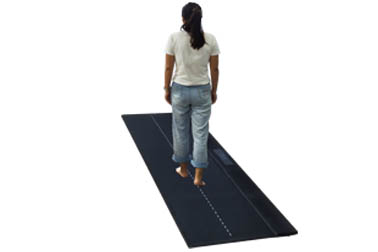


 +86-0755-86131192