
 +86-0755-86131192
 2025-04-15
The Core Significance of Plantar Pressure Measurement Systems in Diabetic Foot Management
Early Risk Identification and Warning
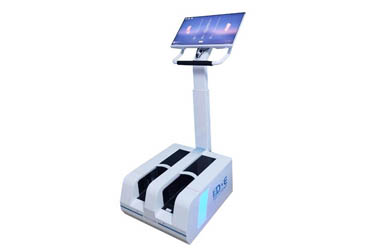
Due to neuropathy and circulatory disorders, diabetic foot patients often experience reduced protective sensation in the feet, making them prone to localized high-pressure areas. Plantar pressure measurement systems can accurately detect peak pressure points and abnormal pressure distributions, identifying high-risk ulceration areas—such as regions with significantly elevated forefoot or rearfoot pressure—thus enabling doctors to implement preventive interventions before ulcers develop.
Development of Personalized Intervention Plans
By quantifying plantar pressure data (such as average pressure, pressure-time integral, etc.), the system helps in designing custom orthotic insoles, offloading footwear, or gait training programs for patients. These solutions redistribute plantar loads to reduce the risk of localized tissue damage. For example, patients with high forefoot pressure can benefit from pressure-relieving insoles, which significantly lower the risk of ulcer formation.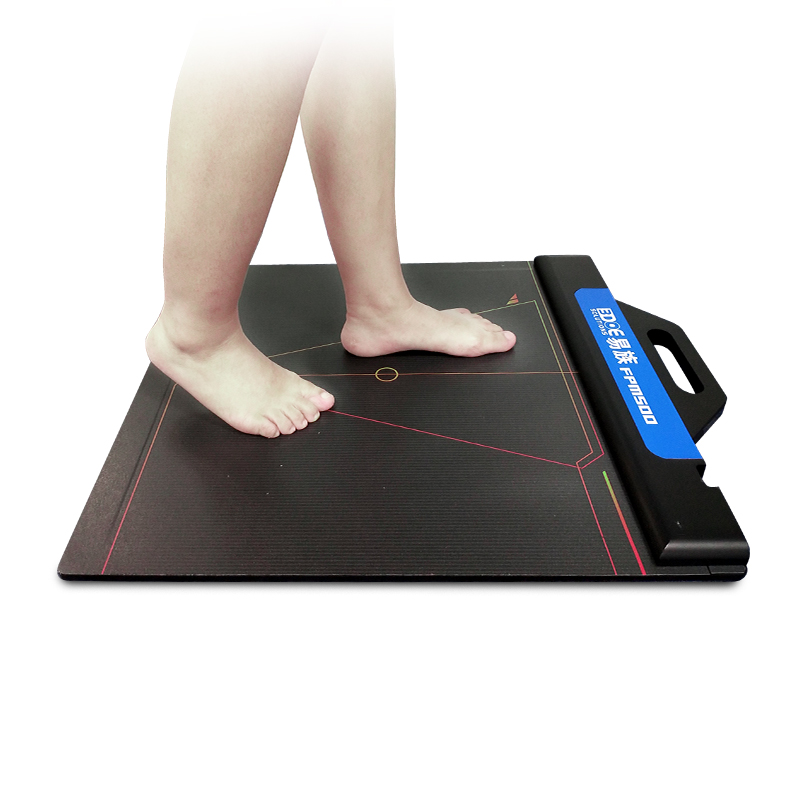
Dynamic Monitoring and Evaluation of Intervention Effectiveness
Regular testing tracks changes in plantar pressure distribution, allowing clinicians to assess the effectiveness of current interventions—such as orthotic devices or rehabilitation training. If data show no improvement, intervention plans can be promptly adjusted to prevent worsening conditions.
Prevention of Foot Ulcers and Amputation Risk
Abnormal plantar pressure is a key factor contributing to diabetic foot ulcers. By screening for high-risk areas and implementing targeted protective strategies (such as pressure redistribution measures), the incidence of ulcers can be significantly reduced, thereby decreasing the risk of infection and amputation.
Biomechanical Analysis and Gait Optimization
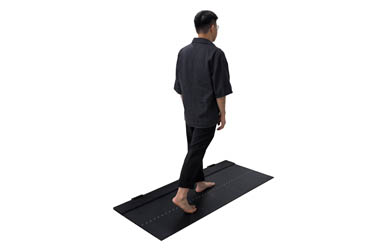
With integrated gait analysis modules, the system evaluates foot loading patterns during walking, identifying biomechanical imbalances caused by joint limitations or structural foot abnormalities. This provides data support for rehabilitation training and therapeutic adjustments.
Multi-Dimensional Data Integration and Management
Some systems combine static/dynamic plantar pressure testing with balance analysis to comprehensively assess foot function and posture-related data. This assists clinicians in formulating comprehensive prevention and treatment strategies that include foot care, physical rehabilitation, and blood glucose management.
Application Examples
High-Risk Patient Screening:
Diabetic patients are recommended to undergo at least one plantar pressure assessment per year, combined with neurological function evaluations to stratify risk levels.
Ulcer Recurrence Prevention:
For patients recovering from foot ulcers, dynamic monitoring helps adjust weight-bearing strategies, effectively reducing the likelihood of recurrence.
 Back to list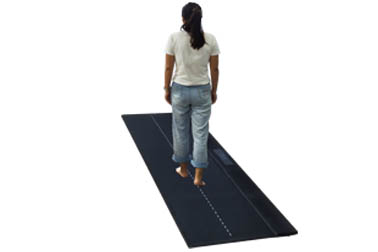


 +86-0755-86131192