
 +86-0755-86131192
 2024-09-11
In today's rapidly evolving medical technology landscape, 3D scanners, as a cutting-edge technology, are quietly transforming traditional diagnostic methods, particularly in the field of foot disease diagnosis. Its precision, efficiency, and non-invasive nature bring unprecedented benefits to patients.
The feet, being the foundation of the human body, directly impact walking, standing, and overall quality of life. However, foot conditions such as flat feet, high arches, and hallux valgus (bunions) can be complex and variable in their symptoms. Traditional diagnostic methods often rely heavily on visual observation and the experience of the physician, making it difficult to achieve comprehensive and precise quantitative analysis. Here, the advent of 3D scanners is like unlocking a new door for the diagnosis of foot diseases.
3D Scanners: A Beacon of Technology, Illuminating the Diagnostic Path
1. High-Precision 3D Reconstruction, Revealing True Foot Form
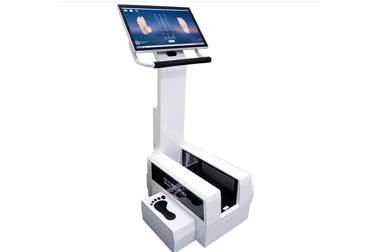
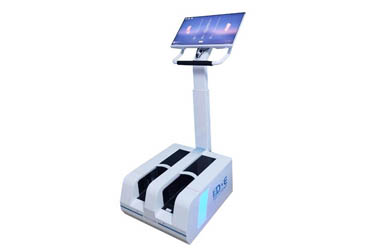
Using non-contact laser or optical technology, 3D scanners can quickly create a comprehensive, high-precision scan of the foot, generating a three-dimensional digital model in a short amount of time.
This model not only preserves all the details of the foot, including bone structure, muscle distribution, and soft tissue morphology, but also allows for software processing that enables rotation, zooming, and slicing from any angle. This provides doctors with an unprecedented perspective, making diagnoses more intuitive and accurate.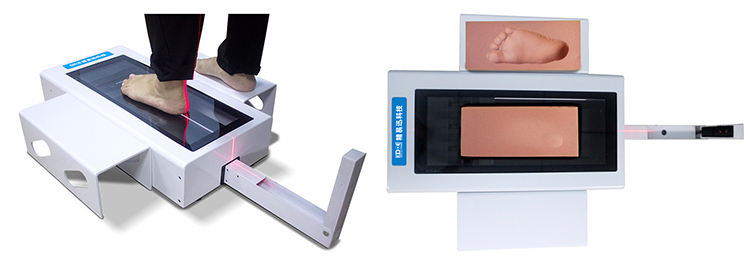
2. Quantitative Analysis, Precisely Locating Causes
With the model generated by 3D scanning, doctors can perform a series of quantitative analyses, such as measuring arch height, pressure distribution under the sole, and toe angles.
These data provide objective, quantifiable diagnostic references, helping to precisely locate the cause of the condition, differentiate between various types of foot diseases, and even predict the development trend of the disease, providing a scientific basis for personalized treatment plans.
3. Dynamic Evaluation, Tracking Treatment Efficacy
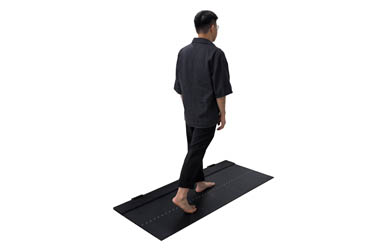
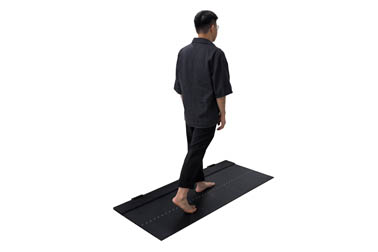
3D scanners are not limited to static scans; they can also be combined with gait analysis systems to capture and analyze changes in the foot during the patient's walking process.
This dynamic evaluation capability allows doctors to have a more comprehensive understanding of the functional state of the patient's feet, evaluate the effectiveness of treatments, and adjust treatment plans in a timely manner, ensuring that patients receive optimal care.
Practical Applications: Comprehensive Penetration from Clinical to Research
In clinical applications, 3D scanners have become important tools for customizing orthotics, designing surgical plans, and evaluating postoperative rehabilitation.
Through personalized orthotic customization, more effective correction of foot deformities can be achieved, reducing patient discomfort. During the design phase of surgical plans, 3D models provide a direct platform for surgical simulation, improving the safety and success rate of surgeries. In the postoperative rehabilitation phase, dynamic assessment functions help monitor the recovery status of patients, ensuring the effective implementation of rehabilitation programs.
Moreover, 3D scanners play a significant role in basic research on foot diseases, epidemiological surveys, and the development of new treatment methods, advancing the entire field of podiatric medicine.
As 3D scanning technology continues to mature and become more widespread, its application prospects in the diagnosis of foot diseases will become even broader. As one of the significant achievements in medical technology, 3D scanners, with their unique advantages, are gradually becoming invisible guardians in the field of foot health.
 Back to list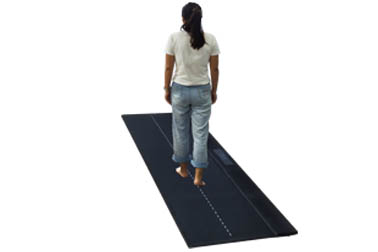


 +86-0755-86131192