
 +86-0755-86131192
 2026-10-19
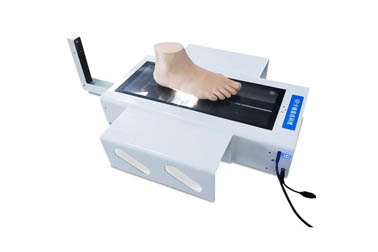
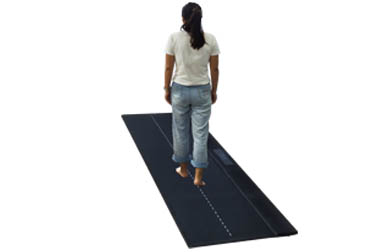
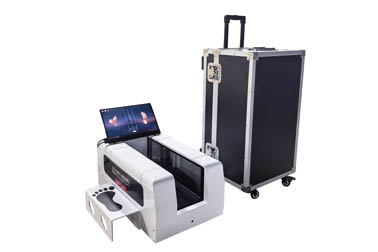
A plantar pressure distribution device is a type of device that uses a high-sensitivity sensor array to collect data on the plantar pressure distribution of a person during static or dynamic processes, and generates visualized pressure heatmaps and gait analysis reports.
Traditional measurement methods mainly rely on visual footprint observation, the wet footprint method, footprint paper, or technicians manually touching bones for judgment, which carry relatively strong subjectivity, and the data dimensions are also relatively few.
The main differences between a plantar pressure distribution device and traditional manual foot measurement are as follows:
1. The data dimensions are different.
Traditional manual foot measurement can usually only measure static physical dimensions such as foot length, foot width, and instep height.
Whereas a plantar pressure distribution device can output key biomechanical data such as peak pressure in each plantar region, center of pressure trajectory, contact area ratio, and so on.
2. The accuracy and stability are different.
Traditional manual measurement is mainly affected by technician experience, observation angle, foot loading state, and so on; the accuracy error is large, it is difficult to quantify the specific magnitude of the force, and the error is difficult to evaluate.
Whereas through measurement with a plantar pressure distribution device, pressure changes per square centimeter can be precisely sensed, and the data is more accurate; especially for making functional insoles and diabetic foot protection, the requirements for pressure distribution are more stringent.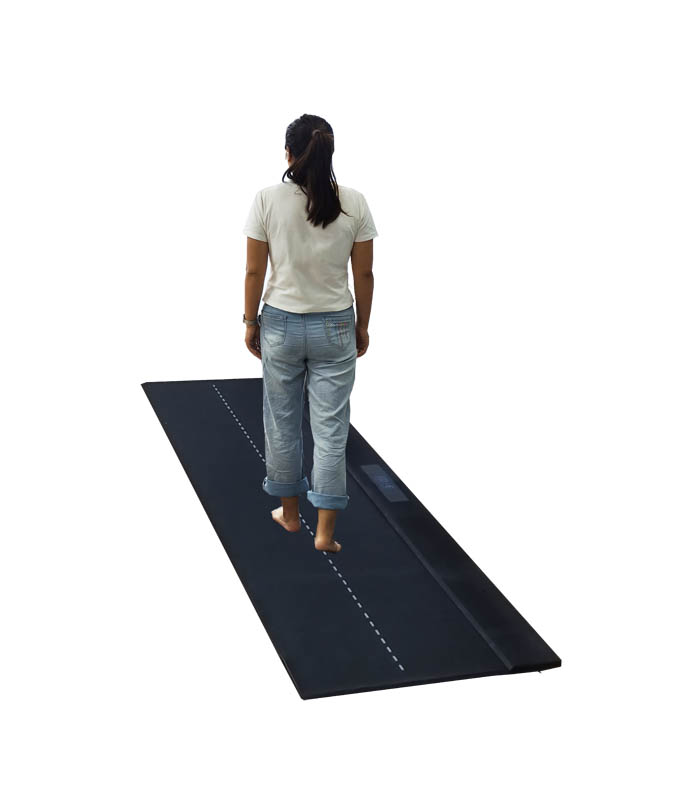
3. The measurement speed is different.
Traditional manual measurement, in the processes of observing footprints and analyzing force-bearing points, consumes a lot of time, and it is difficult to capture instantaneous dynamic changes; in longer cases, repeated testing may be needed.
Whereas when measuring with a plantar pressure distribution device, only a few seconds of standing or walking is needed to obtain complete data, and it can directly generate dynamic pressure videos and reports.
4. The experience is different.
Traditional manual measurement is prone to contact, compression, and ink or gypsum material residue; whereas a plantar pressure distribution device is a non-invasive platform stepping measurement, more hygienic, and more suitable for children, the elderly, people with mobility impairments, and so on.
5. The subsequent application of the data format is different.
The data format of traditional measurement is single, and cannot be directly connected to digital biomechanics analysis and production.
Whereas a plantar pressure distribution device can obtain data files such as pressure heatmaps and gait cycle curves, and can directly interface with orthotic design software and gait analysis systems for personalized and pathological gait correction design and manufacturing.
Moreover, after the plantar pressure test, a visualized foot function assessment report can also be generated, which can help us evaluate and determine forefoot overload, heel pain risk, gait asymmetry, body center of gravity deviation, and so on.
 Back to list


 +86-0755-86131192