
 +86-0755-86131192
 2026-10-15
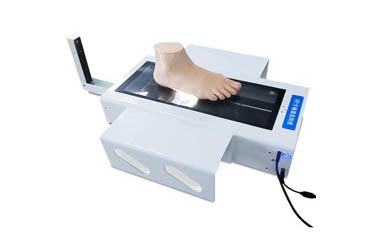
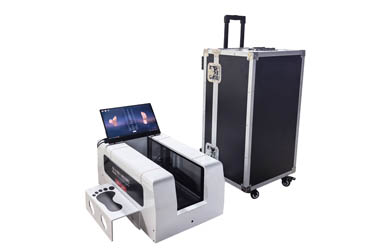
A plantar pressure distribution device is equipment that uses pressure sensors and other technologies to measure the pressure between the sole of the foot and the ground when a person is standing, walking or in other postures.
It collects pressure data from different regions of the sole and generates plantar pressure distribution maps via software to analyze foot loading conditions and pressure distribution characteristics.
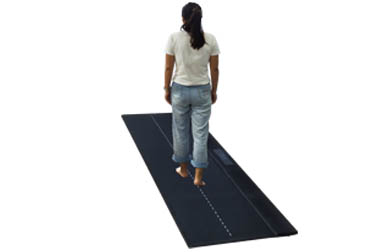
A plantar pressure distribution device can complete plantar pressure data acquisition for static standing or dynamic walking within several seconds to tens of seconds. The exact duration depends on the device type, sampling frequency and test mode.
Pressure sensors distributed across the measurement area capture pressure values at various foot locations and record pressure changes in each region.
The data are analyzed and processed by software to produce test outputs such as plantar pressure cloud maps, pressure distribution graphs and pressure variation curves. Some devices can also export data files in CSV format to facilitate subsequent data analysis, rehabilitation assessment and scientific research.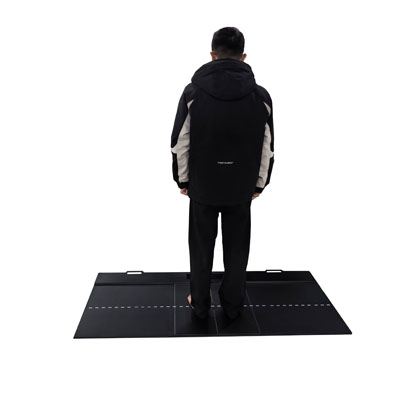
Key data captured by the plantar pressure distribution device include total plantar pressure, peak pressure, average pressure, center of pressure (COP), center-of-pressure trajectory, pressure distribution ratio between left and right feet, forefoot-to-hindfoot pressure ratio, regional plantar pressure distribution, contact area, pressure-time integral and other parameters.
In dynamic gait testing mode, additional parameters can be obtained, including foot contact time, toe-off time, stance phase duration, gait cycle, and pressure changes of each region during walking. Differences in sensor type, sampling frequency and software algorithms among devices lead to variations in measurable and exportable data.
Software automatically calculates relevant parameters from these data to analyze plantar loading characteristics.
For example, the pressure distribution ratio of the left and right feet reveals whether there is a notable difference in weight bearing between the two feet while standing.
The forefoot-to-hindfoot pressure ratio analyzes load distribution across different foot regions and characterizes loading patterns of the forefoot and hindfoot.
Peak plantar pressure and pressure cloud maps identify areas of relatively concentrated plantar pressure, providing references for foot load assessment.
The center of pressure and its movement trajectory are used to analyze body sway during standing and supply data for balance assessment.
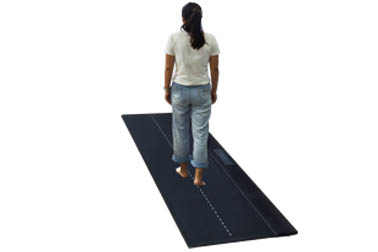
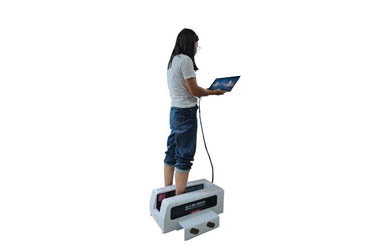
Data collection is initiated when the user stands on the designated measurement area of the device or walks naturally on the pressure plate as instructed.
The software displays real-time plantar pressure distribution and generates corresponding pressure analysis diagrams, data curves and test reports for static standing or dynamic gait testing modes.
The measurement report enables users to clearly understand their plantar pressure distribution and bilateral foot loading, such as left-right load ratio, forefoot-hindfoot pressure distribution, regions of peak plantar pressure, center-of-pressure trajectory, and dynamic foot loading changes during walking.
Based on the test results, the report may also provide corresponding recommendations for foot load management, exercise adjustment and rehabilitation training.
For conditions such as abnormally concentrated plantar pressure or marked weight-bearing asymmetry between feet, further analysis of potential issues should combine foot morphology, gait performance, clinical symptoms and professional assessment. It should be noted that plantar pressure distribution data mainly reflect foot loading conditions and cannot be used alone as a diagnostic basis for flat feet, high arches or other foot disorders.
Plantar pressure distribution devices are applied in orthopedics, rehabilitation and foot disorder assessment, pediatric gait development screening, sports rehabilitation, diabetic foot risk evaluation, custom orthotic insole design, sports shoe performance testing, gait analysis, balance assessment, scientific research and teaching.
The acquisition and analysis of plantar pressure data help professionals understand foot loading characteristics under various conditions, and provide objective data references for foot health evaluation, rehabilitation planning, and optimized design of insoles and footwear.
 Back to list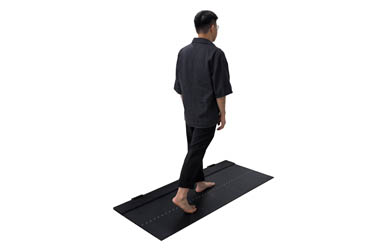


 +86-0755-86131192