
 +86-0755-86131192
 2026-09-22
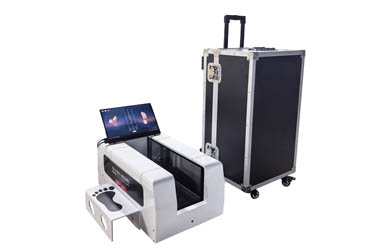
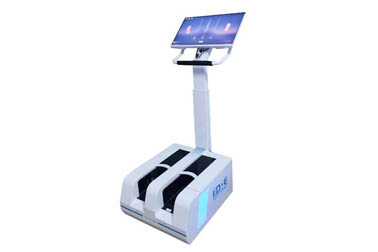
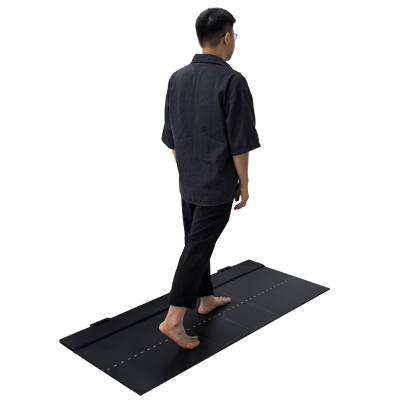
The foot 3D measuring device is essentially a kind of measuring equipment that acquires 3D data of the human foot through optical scanning technology.
When a person stands on the device, it quickly captures the foot shape through scanning methods such as laser and structured light, and obtains 3D contour data of the instep, sole, arch, heel and other foot parts.
After the device collects these 3D foot data, the matching software on the computer analyzes and calculates the foot data according to the set algorithms, such as foot length, foot width, arch height, arch index and heel shape.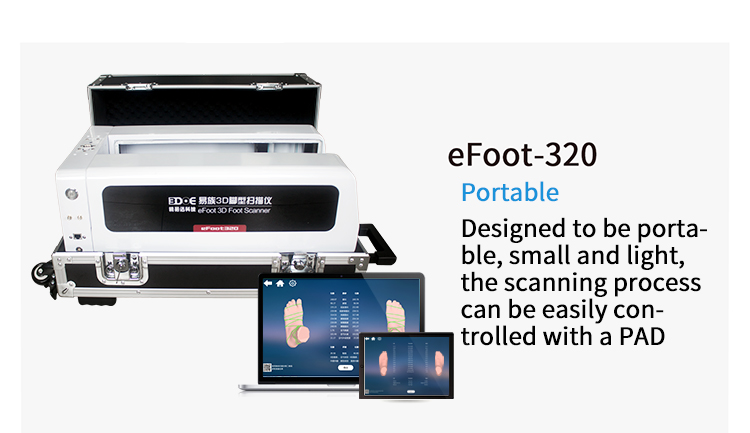
The judgment logic of the foot 3D measuring device for flat feet, high arches and normal feet is as follows:
1. The arch of a normal foot has a certain height. 3D scanning shows that the arch area arches upward obviously, and no obvious collapse occurs in the midfoot area.
2. A flat foot is mainly characterized by a reduced arch height and an arch area closer to the ground. 3D scanning reveals a fuller midfoot shape and an obviously flattened arch structure.
3. A high-arched foot has a relatively higher arch height with a more prominent upward arch in the midfoot area. 3D scanning shows a larger gap between the midfoot area and the reference plane.
Of course, the data measured by the foot 3D measuring device corresponds to specific quantitative indicators.
One of the most common indicators is the Arch Index (AI).
AI = Midfoot contact area ÷ (Forefoot + Midfoot + Hindfoot contact area), with the toe area usually excluded during calculation.
Meaning: A larger AI value indicates a larger proportion of the midfoot area in the entire foot contact area, which means a lower foot arch.
A smaller AI value indicates a smaller proportion of the midfoot area in the entire foot contact area, which means a higher foot arch.
Therefore, the plantar morphology data collected by the 3D scanning device can be further used to calculate the AI value to assist in judging whether the foot arch is normal, low or high.
However, it should be noted that the AI value is only a quantitative indicator of foot arch morphology and cannot be used alone as a basis for medical diagnosis.
Since the AI value reflects the proportion of the midfoot area in the entire foot contact area, factors such as thick plantar soft tissue, high body weight load, and changes in standing posture during measurement may affect the final data.
Unnatural distribution of body center of gravity, deliberate abdomen contraction, tiptoeing, or forced foot pressing during measurement may alter plantar morphology and thus influence the AI value.
In addition, a high AI value in preschool children does not necessarily indicate flat feet, because their foot bones and arch structures are in the growth and development stage, and the foot arch morphology will gradually change with age.
Therefore, the foot 3D measuring device has data support for flat foot detection, but the AI value is more suitable as a screening and quantitative reference indicator for foot arch morphology.
More accurate judgment of flat feet requires comprehensive evaluation combined with data such as arch height, heel valgus angle, plantar pressure distribution and center of gravity deviation.
In short, the foot 3D scanner first acquires foot morphology through 3D scanning, then extracts relevant parameters from the 3D plantar data, and finally conducts quantitative analysis of foot arch morphology through indicators such as AI.
The results obtained in this way are more intuitive than simple visual observation of arch height, and can convert the originally subjective foot arch morphology into specific data.
 Back to list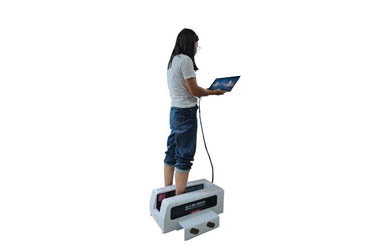


 +86-0755-86131192