
 +86-0755-86131192
 2025-03-03
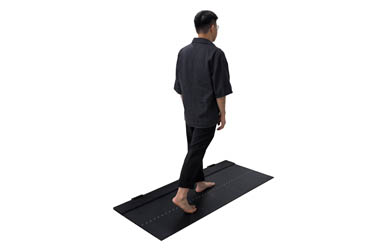
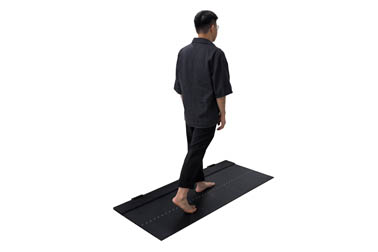
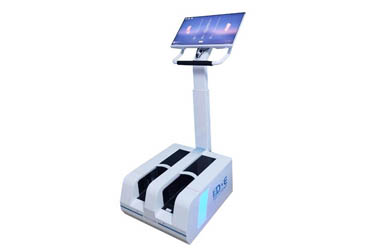
The plantar pressure plate is mainly used to measure the force of various parts of the foot when the sole contacts the pressure plate while a person is standing still or walking.
Working principle
The device integrates a high-density pressure sensor matrix. When the sole contacts the pressure plate, the sensor can capture the pressure data of various parts in real time and convert it into a signal to transmit to the computer. Subsequently, the dedicated software processes the data and intuitively presents the plantar pressure distribution in the form of a chart.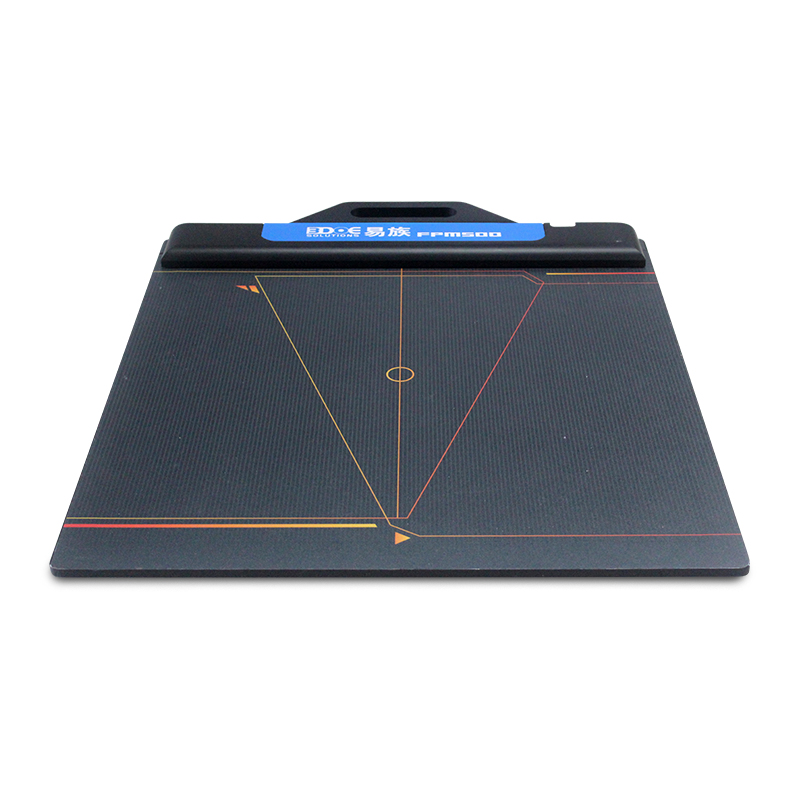
Common application scenarios
Foot health diagnosis: By detecting the plantar pressure distribution, it can be used to evaluate problems such as flat feet, high arches, inversion, eversion, and diabetic foot.
Gait and posture assessment: used to analyze gait stability and assist in the design and production of personalized orthopedic insoles and orthopedic shoes.
Postoperative rehabilitation monitoring: Track the patient's postoperative recovery, help doctors adjust rehabilitation training plans, and improve rehabilitation effects.
Sports shoe performance evaluation: Test the impact of different sports shoes on foot pressure, provide a scientific basis for optimizing shoe design, and improve wearing comfort.
Biomechanics and ergonomics research: Analyze the force on the soles of people's feet when walking, running, and standing, and provide data support for ergonomics and biomechanics research.
Gait analysis and fall risk assessment for the elderly: Used to assess the gait stability of the elderly, predict the risk of falls, and provide targeted preventive measures.
Plantar pressure plates are widely used in many fields such as medicine, rehabilitation, sports science, and shoe design. They are important tools for plantar health management and gait analysis.
 Back to list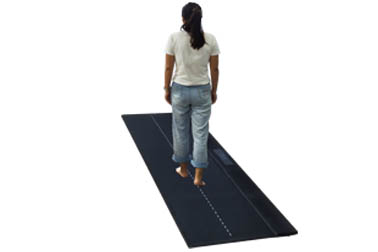


 +86-0755-86131192