
 +86-0755-86131192
 2025-03-31
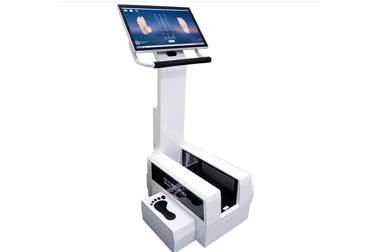
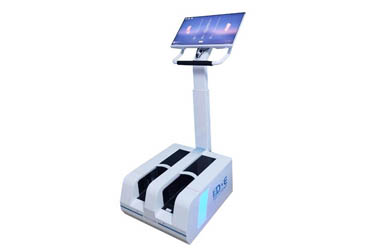
The plantar 3D scanner is also a kind of arch detector, which can quickly measure the data of the arch.
Of course, in addition to the arch data, it can also quickly detect more than 20 key plantar data such as foot length, foot width, heel angle, etc.
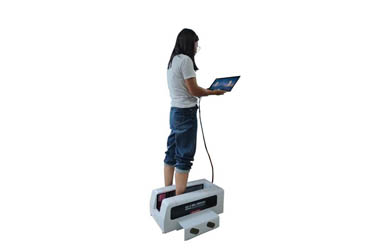
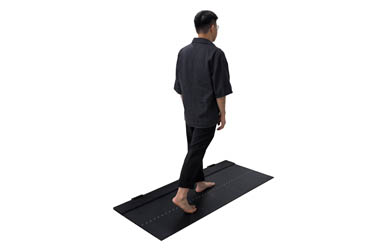
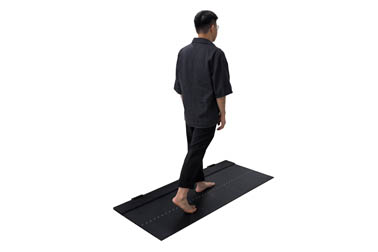
Generally, you only need to stand still in the scanning area on the device, and then follow the intelligent voice guidance operation. In about 20 seconds, you can get a detailed data report. In addition, you can also export three-dimensional data such as stl.
The plantar 3D scanner is mainly used in the following aspects.
1. Make corrective insoles.
Users obtain three-dimensional data of the plantar through the plantar 3D scanner.
The corrective designer then imports the measured stl and other three-dimensional data directly into the insole design software, and then makes personalized correction design according to the measured data.
In addition, personalized appearance design can be made according to user needs.
After designing the insole, export the data, and import the designed data into the 3D printer or insole engraving machine through U disk and other methods to make the insole.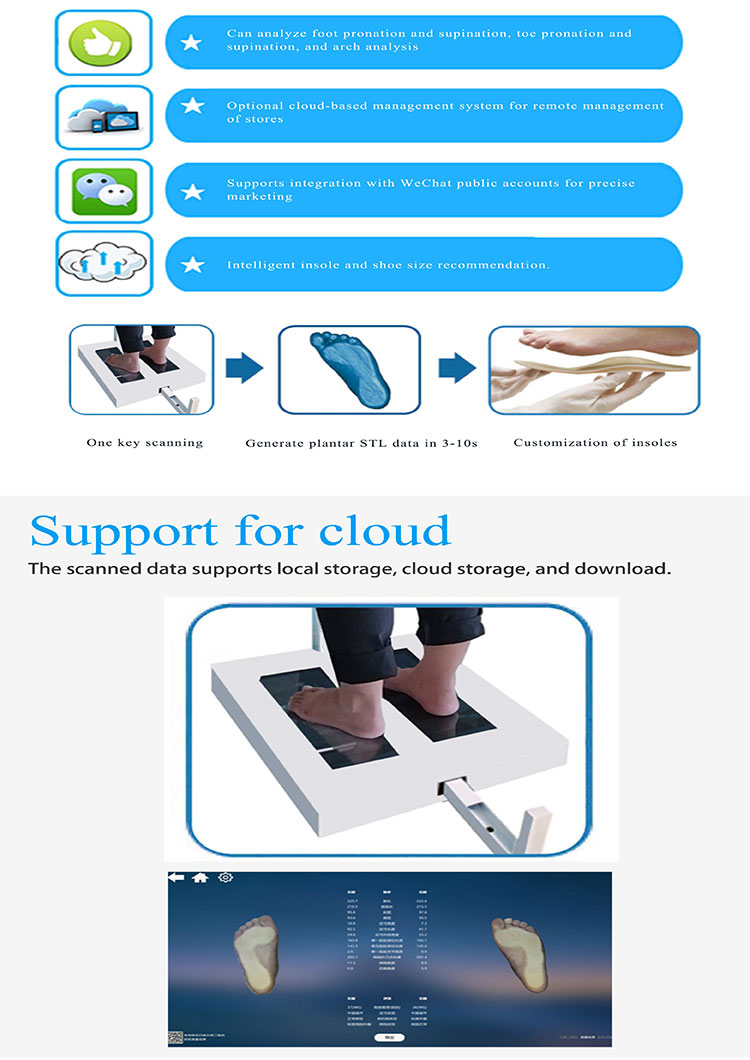
2. Used in hospitals.
In hospitals, using a plantar scanner allows doctors to more quickly determine the health of patients' feet.
If it is observed with the naked eye, there will be more data errors, and it is even easy to cause misjudgment, and it will take a long time.
With a three-dimensional foot scanner, it only takes about 20 seconds to obtain more than 20 key information about the sole of a person's foot, which can effectively evaluate flat feet, high arches, inversion, valgus and foot shape.
The generated report is graphical, which not only allows doctors to better judge the condition of the foot, but also better refer to the data for planning rehabilitation plans, and it is also convenient for users to see the data, so that patients can understand their foot conditions more intuitively.
In addition, it can also be used in postoperative evaluation. Through regular foot monitoring, a more personalized rehabilitation plan can be made for patients.
3. It can be used in children's foot screening in schools.
The bones of children's feet have not yet been fully formed. When we use a three-dimensional plantar scanner to screen children's feet, we can promptly discover possible foot problems in children and achieve early detection and early treatment.
If you wait until adulthood to discover these foot abnormalities, they will be more difficult and costly to correct.
 Back to list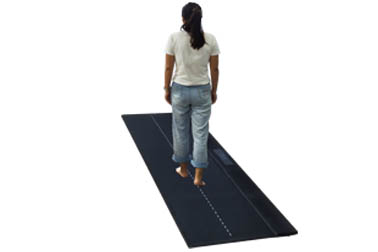


 +86-0755-86131192