
 +86-0755-86131192
 2025-05-22
Everyone's feet are different, and if every pair of insoles is just "uniform specifications", then the comfort and functionality can only "rely on luck". Especially for people with problems such as flat feet, high arches, hallux valgus, etc., a pair of truly suitable corrective insoles may be far more important than a pair of good shoes.
So, how can we make a pair of scientific, fitting and effective corrective insoles? Today, let's talk about two key technologies in the field of foot orthotics: plantar 3D scanners and insole engraving machines, how they work together to create personalized customized insoles to protect foot health.
Step 1: Plantar 3D scanning, accurate "foot" identification
The first step of corrective insoles is not design, but "understanding" your feet.
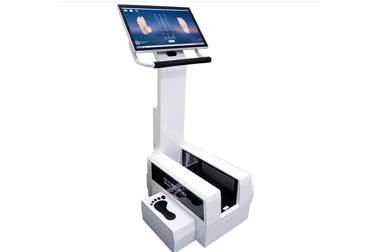
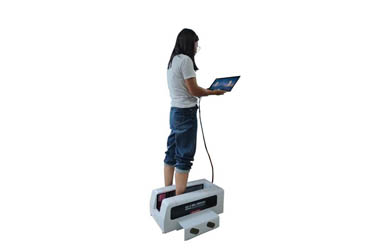
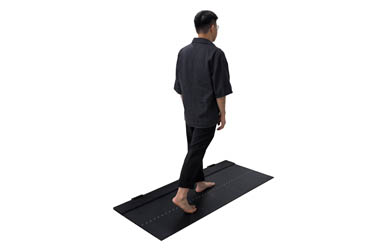
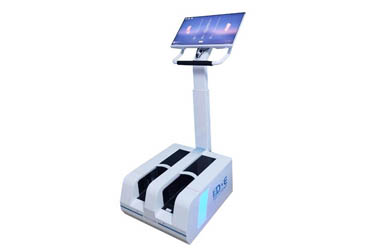
Plantar 3D scanner is a smart device that performs non-contact measurement through laser or structured light technology. The user only needs to stand for a few seconds, and the device can collect complete three-dimensional data of the sole, including: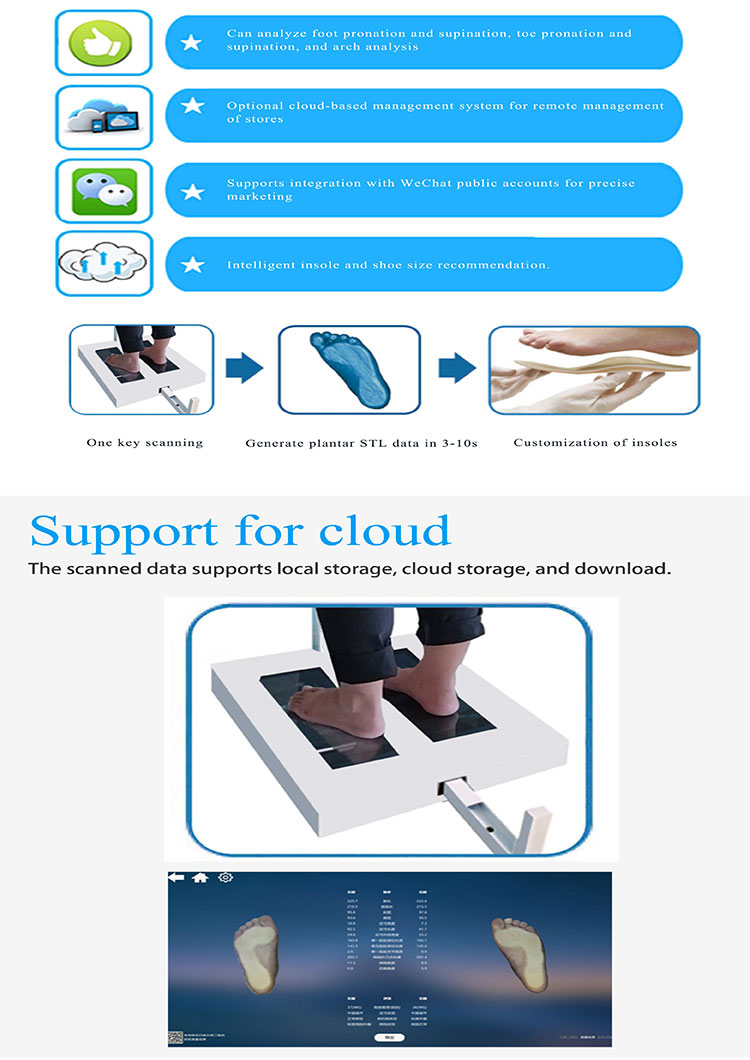
Arch height and shape
Heel tilt angle
Hallux valgus, etc.
These data are digitally modeled to construct an extremely accurate "foot map", providing a scientific basis for subsequent insole design.
Step 2: Insole engraving machine is precision-made to achieve "custom-made to the foot"
With the data, it is necessary to "carve" it out. The insole engraving machine is the key tool to convert digital drawings into physical insoles.
It uses CNC numerical control technology or high-speed cutting technology to accurately engrave according to the three-dimensional data of the foot. Compared with traditional manual polishing or mold batch production, the insole engraving machine has obvious advantages:
The error is extremely small, and each arc and angle is loyal to the scanned data
Higher efficiency, it only takes tens of minutes from design to molding
Various materials, different soft and hard materials can be selected for partition engraving to meet different support needs
More importantly, this digital process greatly improves consistency and repeatability, and each pair of insoles can be accurately replicated without "trying luck".
Why is it suitable for corrective insoles?
The purpose of corrective insoles is to make fine adjustments and support during daily gait, helping the foot gradually restore normal structure or slow down the development of problems. This requires insoles to have three core features:
Accurately fit the foot shape, no pressure, no suspension
Targeted support adjustment, such as mechanical compensation for inversion and eversion
Long-term comfortable wearing, without affecting normal walking and life rhythm
The combination of 3D scanning of the sole + insole engraving machine just meets these three needs-it is not simply "comfortable", but a true "scientific intervention".
Wide application scenarios
Currently, this technology combination has been widely used in:
Medical rehabilitation center: functional insole production for flat feet, diabetic foot, and postoperative rehabilitation
Sports science field: help athletes prevent foot injuries and optimize gait
Shoe stores and chain stores: provide personalized customization services to improve user stickiness
Elderly health care: customize decompression and stable walking auxiliary insoles for the elderly
 Back to list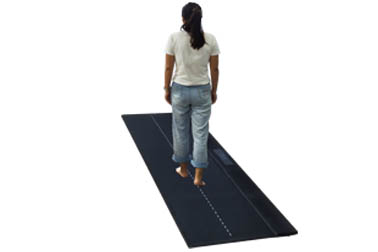


 +86-0755-86131192