
 +86-0755-86131192
 2025-08-01
Comparative Analysis of 3D Scanning and Foot Casting Technologies
I. Core Technology Differences
3D Scanning Technology
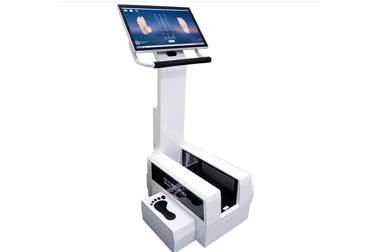
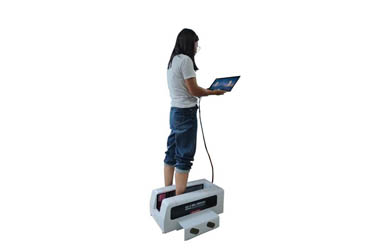
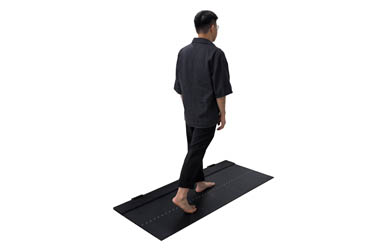
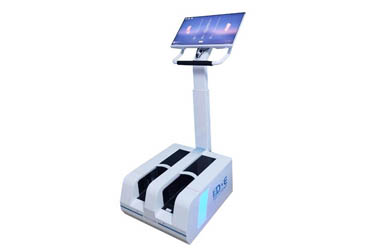
Using laser or structured light for non-contact data acquisition, it collects over 20 data items, including foot length and arch height, in 10 seconds with an accuracy of 0.5mm. The resulting digital model can be directly used for 3D printing insoles.
Traditional foot casting
Relying on contact molding with foam or plaster molds, data can be easily distorted by posture changes, reflecting only static foot shape, and requiring production cycles of several hours to several days.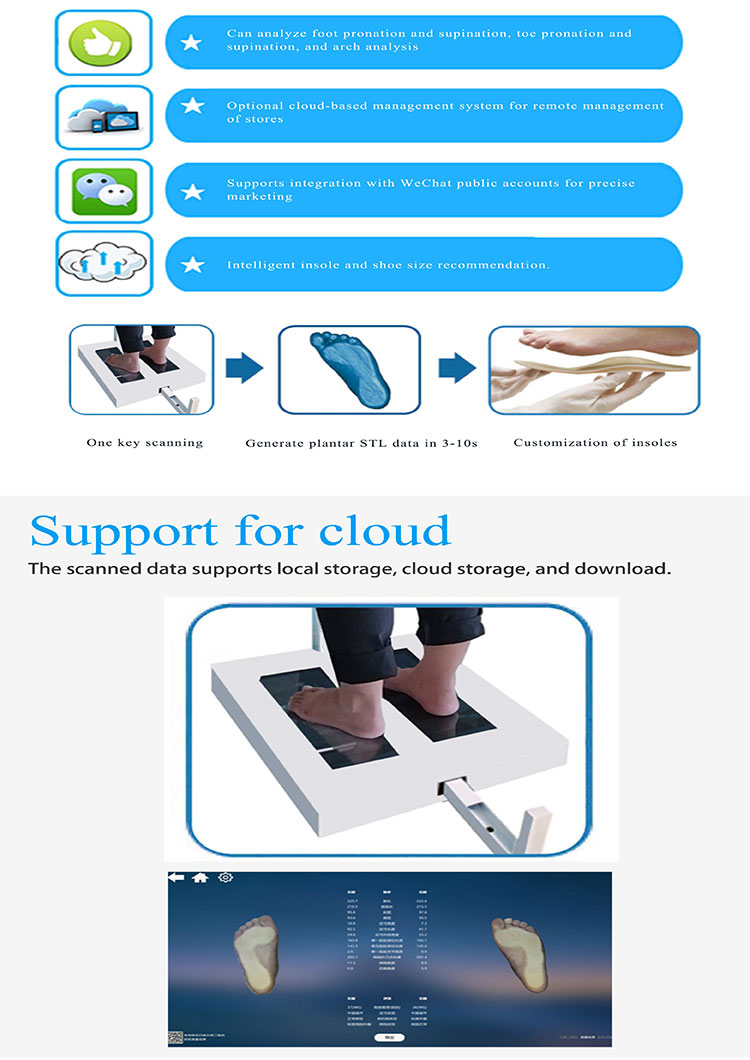
II. Core Performance Comparison
Accuracy: 3D scanning error ≤ 0.5mm, while foot casting error is generally > 2mm.
Efficiency: The entire scanning process takes less than 1 minute, although foot castings require complex processes such as drying and polishing.
Functional Extensions: 3D data supports long-term tracking and comparison, while foot castings cannot be digitally reused.
III. Practical Applications
In the Medical Orthopedic Field
3D scanning can identify hidden problems such as mild flat feet, reducing the defect rate of corrective insoles from 12% to 3%. However, foot casting data distortion can lead to deviations in support design.
Commercial Customization Scenarios
Shoe companies have reduced their return rate by 28% through the use of 3D scanning. Pressed foot molds are only suitable for low-precision mass production.
IV. Technology Development Trends
By 2025, flexible electronic sensor technology will drive down the cost of 3D scanning, while pressed foot molds will retain their cost advantage in primary care. Specialized fields such as diabetic foot management have already fully transitioned to digital solutions.
 Back to list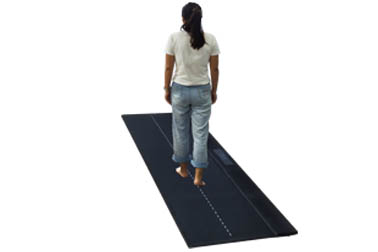


 +86-0755-86131192