
 +86-0755-86131192
 2025-11-21
High arches, inward walking, unstable heels, easily fatigued ankle joints, forefoot soreness… these problems often trouble people with high-arched feet. Long-term neglect will also affect running, long standing, and even the daily walking experience.
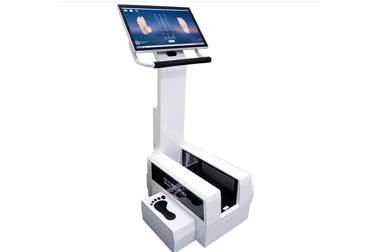
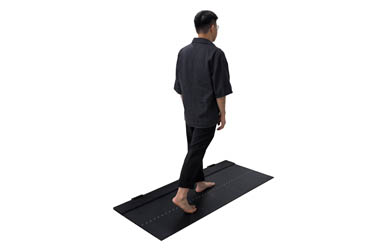
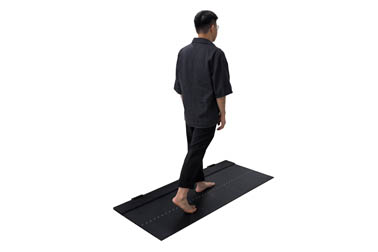
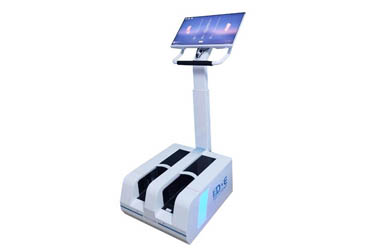
Just as vision testing requires optometry, customizing insoles for high-arched people also relies on accurate foot detection data. The foot pressure plate is one of the key devices, which can quantitatively describe gait and landing points that are not easily perceived by ordinary people, thus providing a reliable basis for customized insoles.
Besides design concepts, the effectiveness of insoles also depends on whether scientific customization can be achieved based on objective testing. So how should high-arched individuals find more suitable insoles with the help of a foot pressure plate? Effective testing and customization generally have the following advantages:
I. Making foot conditions “visible”
1. Visual presentation, etc.
Through dynamic collection, the foot pressure plate can digitally record the process of the foot contacting the ground, including standing and walking. High-arched individuals generally present the phenomena of “greater force on the outer side” and “mid-foot suspension.” After scanning, these are immediately displayed visually, allowing foot conditions to be judged not only by subjective sensation.
2. Locating individualized differences
Different individuals vary in arch height, force points, landing zones, and movement patterns. The test results will show detailed information of each aspect, including the formation of supporting points, ankle joint control, and arch participation, thus providing targeted data support for subsequent insole creation.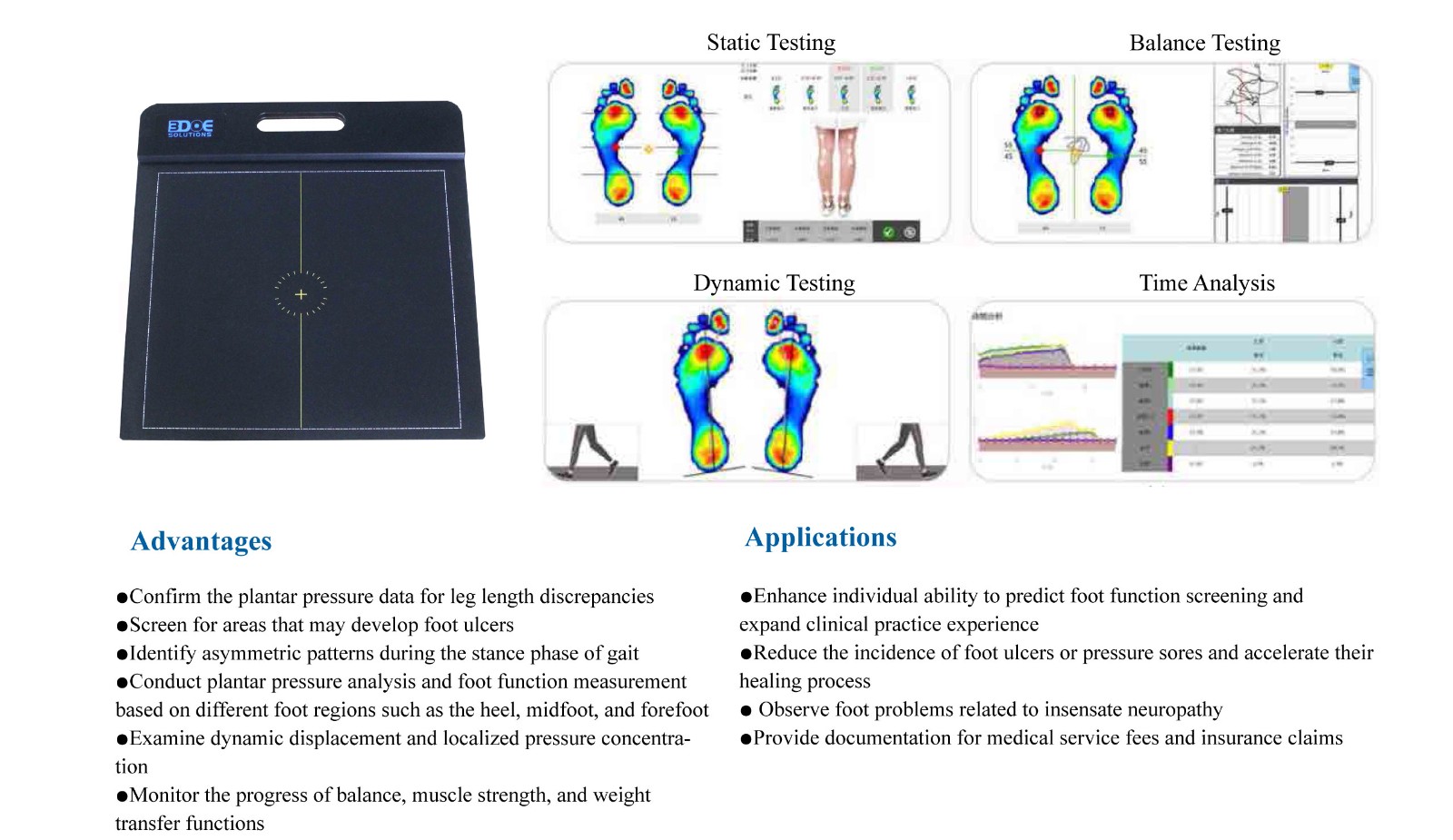
II. Customized insoles are “different because people are different”
1. Data determines the design
The values produced by the foot pressure plate and the gait analysis report provide the main design basis for custom insoles. This utility model makes customization no longer rely on experiential assumptions. Adjustments can be made scientifically based on individual foot support and force distribution to improve the stability and comfort performance of the insoles.
2. Dynamic validation of the effect
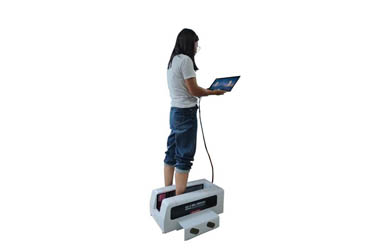
After customization, users can stand on the pressure plate again for testing to see whether improvement has been achieved—such as more balanced forefoot landing, or reduced lateral loading. By before-and-after comparison, the adjustment process becomes more intuitive, controllable, and precise.
III. Materials and structure are data-based
1. Accurate determination of structural positions
The test results from the foot pressure plate can provide the placement points of the insole structure, such as:
Forefoot regions requiring additional support
Arch areas that need lifting or reinforcement
Heel areas requiring stable angle correction
This utility model allows the thickness, hardness of support layers, and placement of cushioning pads to have clear reference standards.
2. Helping with data-based material selection
Some individuals have concentrated plantar force and need high-elastic cushioning.
Some individuals have strong bony support but large landing deviation and require enhanced support.
Test results help scientifically recommend material types rather than selecting purely based on feeling.
IV. Wearing experience becomes easier to adapt to
1. Better matching between both feet and insoles
The insoles produced based on testing through this utility model can naturally conform to the foot, reducing gaps and concentrated stress, improving the continuity of walking. Common symptoms among high-arched people—such as forefoot fatigue and heel tension—are more easily relieved.
2. Reducing interference from unfamiliar sensation
Many people feel uncomfortable or awkward when first wearing functional insoles. Accurate matching after pressure plate testing shortens the early adaptation period.
The insole provides effective assistance while maintaining a comfortable gait, avoiding the result of “wearing insoles but walking becomes difficult.”
V. Suitable for long-term monitoring and adjustment
1. Adjustments based on different stages
The condition of high-arched individuals may vary with exercise volume, age, muscle strength, and other factors. The pressure plate can be re-tested periodically, allowing insoles to continuously improve and maintain good results with changing stages.
2. Particularly beneficial for athletes
For runners, basketball players, hikers, and other sports enthusiasts, long-term dynamic testing can detect excessive plantar load in time to avoid overuse injuries of the feet.
 Back to list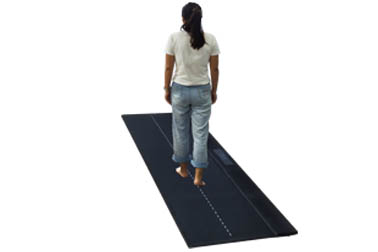


 +86-0755-86131192