
 +86-0755-86131192
 2026-01-27
In foot health assessment, gait analysis, and rehabilitation intervention, precise acquisition of pressure data relies on professional systems.
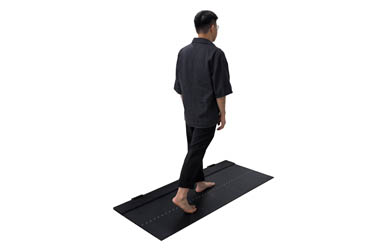
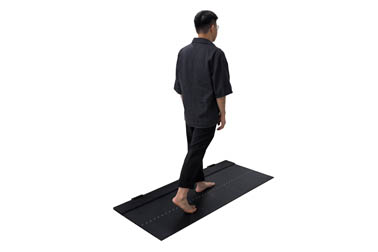
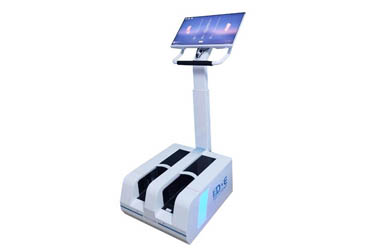
A plantar pressure distribution measurement system is the core technical framework for analyzing the “pressure transmission patterns” of the foot.
Under normal circumstances, this system is an “integrated measurement platform” composed of a sensor acquisition module, a data transmission module, and an analysis processing module.
This gives it strong professionalism, helping us capture pressure distribution, reconstruct transmission pathways, and at the same time accurately quantify load parameters in each region.
However, this system is not simply a combination of devices, and its core principle is not a single sensing technology.
Many people, when first encountering this type of measurement system, do not understand its core components and working logic, and only by breaking down the modules can they gain a clear understanding.
If the system components or principles are only partially understood, whether due to operational errors or data misinterpretation, it will directly lead to distorted measurement results and affect evaluation decisions.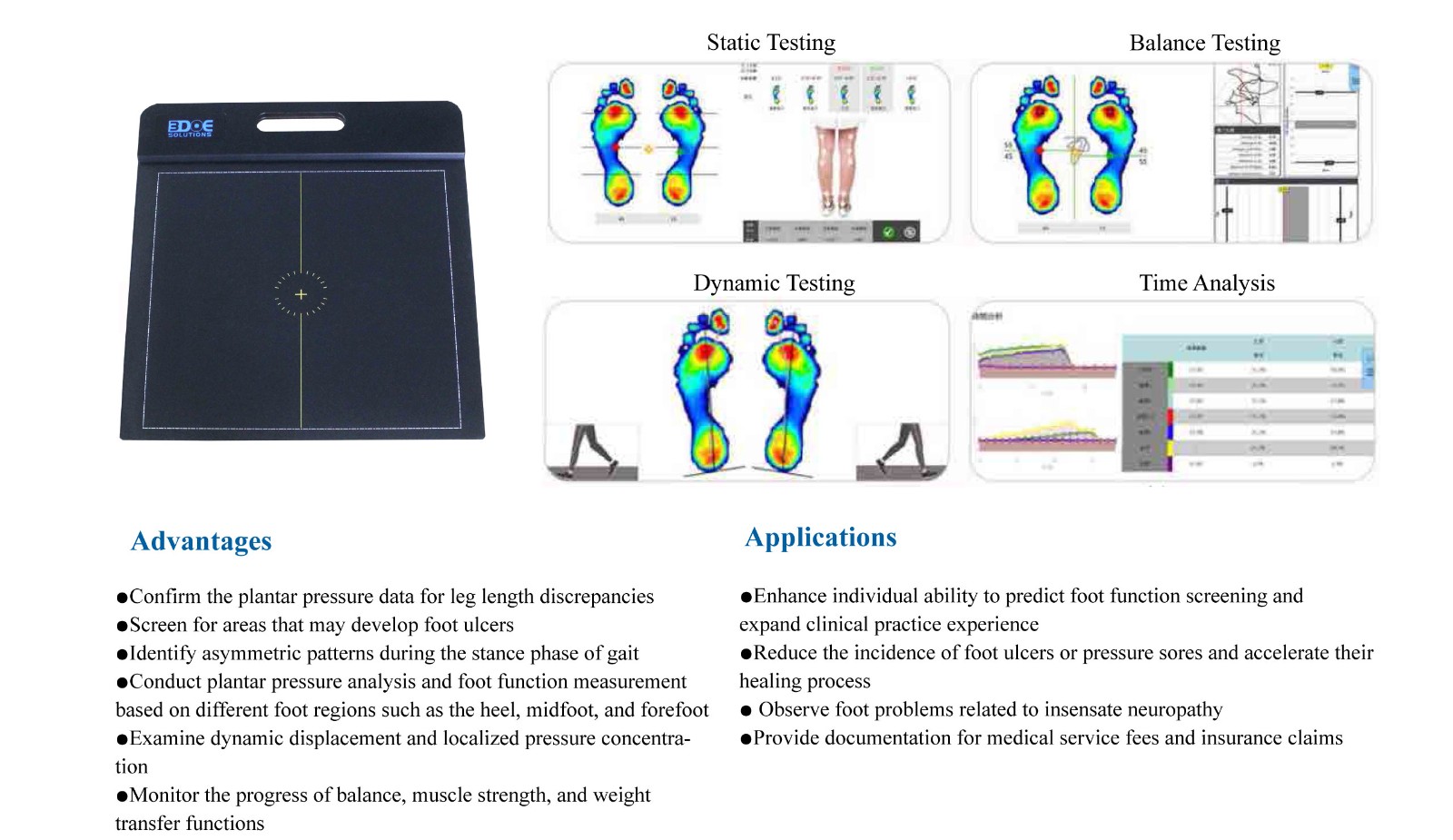
This deviation at the cognitive level can trigger a series of problems in measurement operation, data interpretation, and result application:
Unclear understanding of the system introduction and principle is like operating a device without knowing its core logic — it will create chain reactions throughout the entire measurement process.
If measurement accuracy has already been affected due to insufficient understanding, then fully learning the system structure and mastering its core principles is a better solution.
The system introduction and core principles referred to here constitute the complete knowledge framework for plantar pressure distribution measurement.
Because the requirements and adaptation standards vary greatly across different measurement scenarios, the question becomes: is the focus on static measurement, or on dynamic principle application?
Obviously, it is impossible to explain these core details by simply summarizing it as “able to measure pressure distribution.”
This means that a complete measurement system must have principles that precisely match its application scenarios.
This is also why professional research institutions and rehabilitation centers always master the principles before operating the system.
Core introduction and principles of the plantar pressure distribution measurement system
01 Through a high-density pressure sensor array, capture pressure signals from different plantar regions during standing or walking to complete initial data acquisition.
02 Using the principle of signal conversion, transform the collected physical pressure signals into identifiable electrical signals to achieve precise signal transmission.
03 Integrate the transmitted data and, combined with algorithm models, systematically analyze the pressure distribution features and transmission patterns.
04 Generate visualized reports through professional software, directly presenting measurement results and the application logic of the principles.
Through complete module coordination and scientific principle support, this system achieves precise measurement of plantar pressure distribution, thereby assisting health assessment, optimizing rehabilitation plans, and supporting scientific research.
 Back to list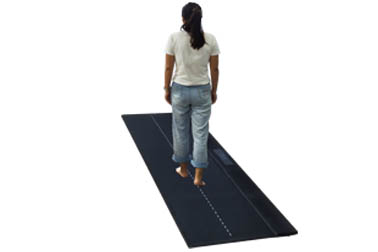


 +86-0755-86131192