
 +86-0755-86131192
 2026-05-25
Corrective insoles, custom insoles and personalized insoles are becoming a trend. This market is growing larger and larger, and more and more merchants are entering this market.
With the development of science and technology, the processes and techniques of 3D custom insoles are also changing.
So, what are the complete sets of equipment for 3D custom insoles?
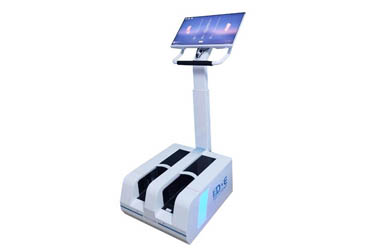
1. Plantar 3D Scanner
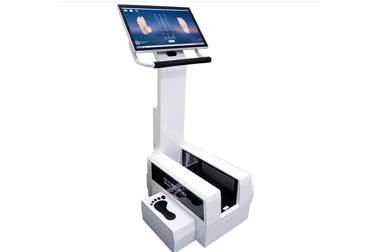
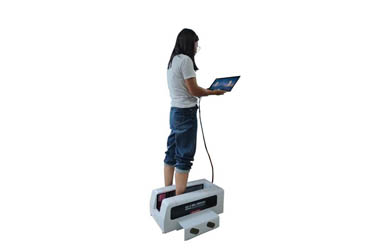
The plantar 3D scanner scans and measures human soles through optical principles such as laser, and obtains key sole size information and 3D data in formats such as STL.
These 3D data can be directly imported into the insole design software to generate an insole model.
The traditional method relies on manual measurement, which is prone to inaccurate data, artificial measurement errors and even mistakes. Converting two-dimensional data into a three-dimensional model is also complicated. It not only consumes time but also delivers poor results.
In contrast, the plantar 3D scanner can complete the measurement in about 10 to 30 seconds with high precision. The precision of the 3DOE plantar 3D scanner is within 0.5mm. These data are not affected by human subjectivity and can more objectively reflect the shape, size and other information of our soles.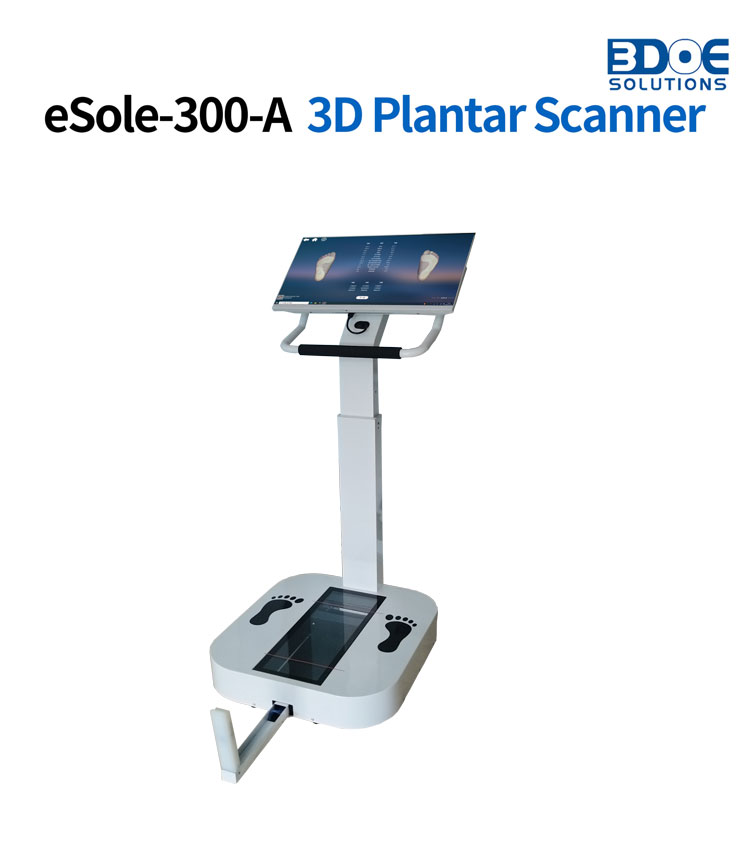
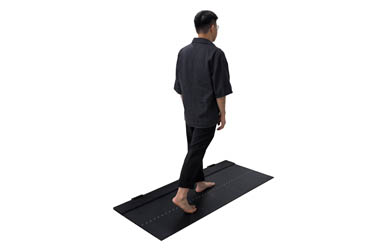
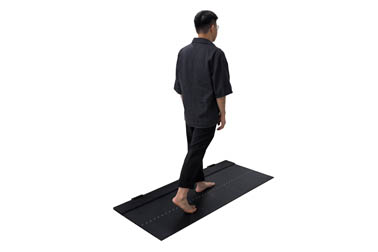
2. Plantar Pressure and Gait Analysis System
This equipment is not required for ordinary custom insoles with low production requirements.
It is a must for manufacturing corrective insoles, especially functional corrective insoles.
With the data of plantar pressure distribution, doctors and rehabilitation therapists can obtain reliable data references for insole design. They can identify the areas that need increased support and adjust the plantar pressure distribution more reasonably, so as to achieve the correction effect and restore the feet to a healthy and normal state.
3. Insole Design Software
Design software is essential for making personalized insoles or corrective insoles.
Only by importing the plantar pressure distribution data and plantar 3D data into the insole design software can personalized design and correction design be completed.
Of course, designers need to possess professional knowledge, including design expertise and foot health knowledge. Only in this way can the designed insoles achieve truly satisfactory results.
4. 3D Printer or Insole Engraving Machine
After the insole design is completed, the data needs to be exported and imported into a 3D printer or insole engraving machine for production.
3D printers and insole engraving machines are two different types of equipment with different working principles and applicable materials. The selection of equipment depends on the specific insole type and customer needs.
5. Polishing Machine and Laminating Tools
After being produced by a 3D printer or insole engraving machine, the insoles need edge trimming with a polishing machine and surface lamination. This makes the finished insoles more beautiful and exquisite, and suitable fabrics can be selected according to customers' preferences.
 Back to list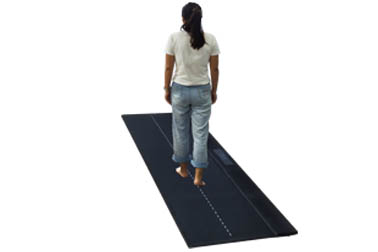


 +86-0755-86131192