
 +86-0755-86131192
 2026-07-28
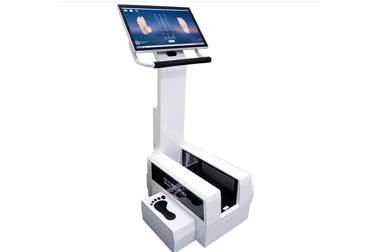
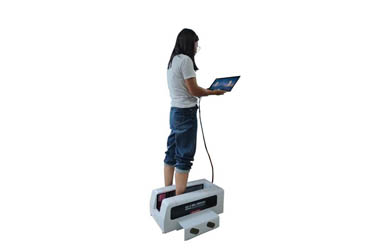
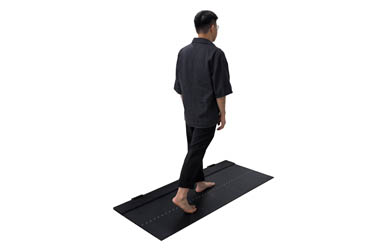
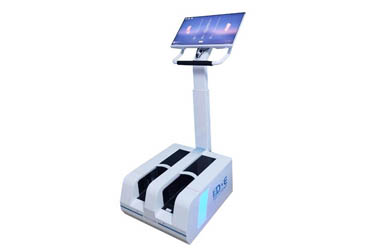
The plantar pressure gait analysis system is a system that collects data such as pressure distribution at various parts of the sole, peak pressure, and center of gravity trajectory when a person is standing still and walking.
These data can be applied in the field of fall risk prevention and control for the elderly, and the principle is as follows:
1. Collect the deviation of the pressure center of gravity trajectory when standing still.
The pressure center of gravity is the COP.
When the trajectory of the COP swinging left, right, forward, and backward is too large, and the swinging speed is disordered and irregular, it indicates that the person's proprioception is unbalanced, and the ankle control is poor, which easily leads to ankle sprains, loss of balance, falls, and other situations.
When the elderly's ankle joints degenerate and the vestibule ages, a very typical manifestation is that the COP trajectory becomes abnormal and shakes violently.
According to the COP data measured in the balance measurement mode, the balance of the elderly can be evaluated and judged, and targeted prevention or rehabilitation training can be carried out based on these times.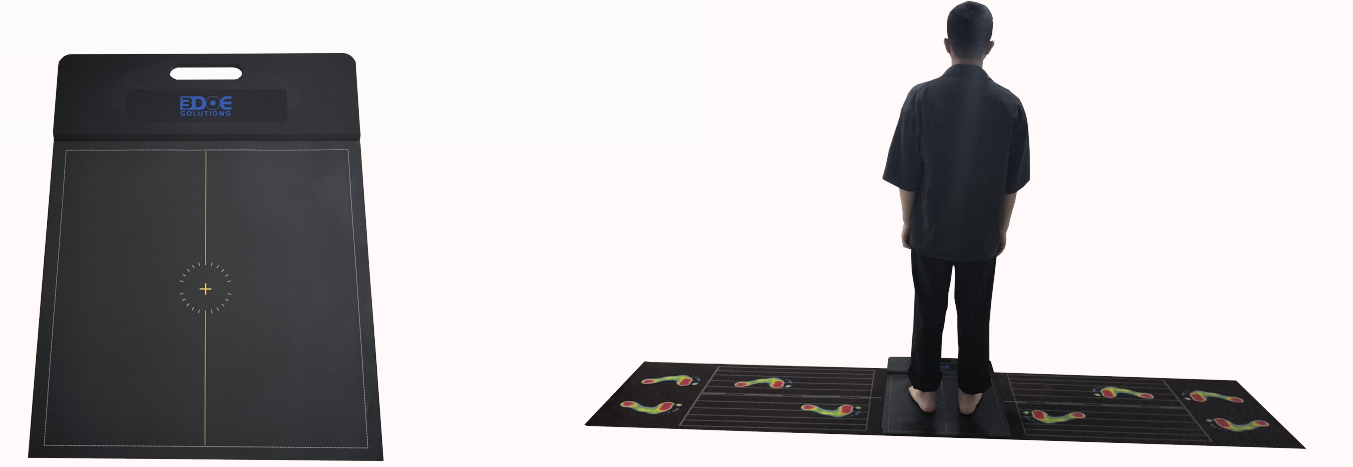
2. Judge according to the abnormality of pressure distribution.
When we normal people walk, generally the heel touches the ground first, then transitions to the midfoot, and finally the forefoot pushes off.
During the walking gait test, if the data shows that the heel pressure is too low, this may mean that the elderly have fear of falling, deliberately tiptoe, rigid gait, etc., thereby leading to the occurrence of gait imbalance.
If during the walking process, the data shows that the forefoot pressure is too large, this may mean that the elderly do not lift their feet high enough, the calf muscles are overly tense, the ankle dorsiflexion is insufficient, etc., and tripping is easy to occur.
If during the walking test process, the data shows that the force on the left and right feet is seriously asymmetrical, it may be because of the occurrence of stroke, arthritis, or repeated deviation of the walking center of gravity.
3. Analyze the time of foot contact with the ground and the change of contact area when walking.
During the test process, if the gait shows that the time of heel contact with the ground is significantly prolonged, it may be because of insufficient compensatory muscle strength.
If the data shows that the contact area of the sole of the foot is fluctuating greatly , it indicates situations such as poor stability and insufficient support.
Through comprehensive data analysis, subclinical imbalance can be discovered in advance, and potential fall risks can be predicted in advance.
Rehabilitation therapists conduct comprehensive analysis through the measured data and formulate targeted rehabilitation training, such as conducting balance training, proprioception training, etc., to achieve the purpose of preventing falls.
Through regular collection of plantar pressure distribution and gait data before and after training, the training effect can be evaluated and the rehabilitation training plan can be dynamically adjusted.
 Back to list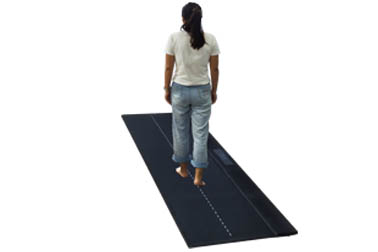


 +86-0755-86131192