
 +86-0755-86131192
 2026-07-28
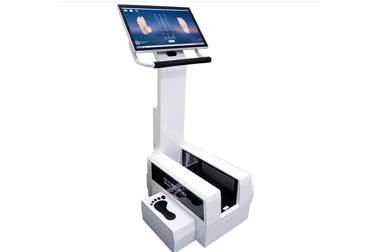
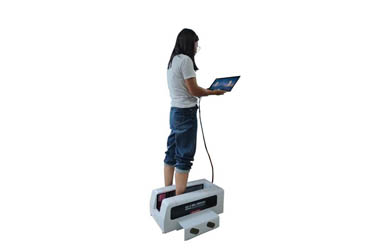
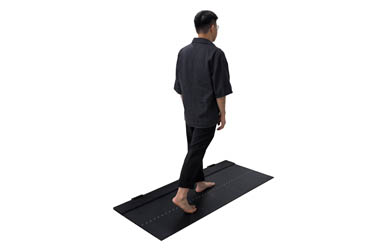
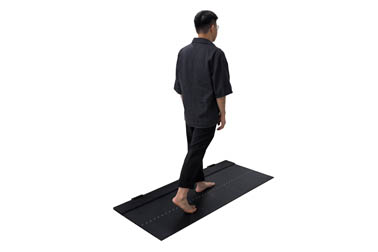
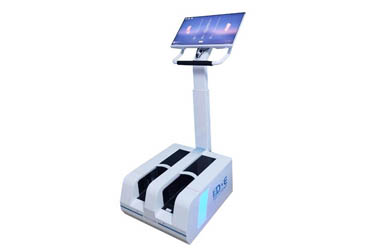
The plantar pressure gait analysis system collects data including plantar pressure distribution, peak pressure and center-of-pressure trajectory across different foot regions when a person stands still and walks.
Such data can be applied to fall risk prevention and control among the elderly. Its working principles are outlined below:
1.Capture deviations of the center-of-pressure trajectory during static standing
The center of pressure is referred to as COP.
If the COP shows excessive anteroposterior and mediolateral sway with irregular sway velocity, it indicates impaired proprioception and poor ankle control, raising risks of ankle sprains, loss of balance and falls.
Elderly people with degenerative ankle joints and vestibular aging typically exhibit abnormal and drastic COP sway.
COP data obtained via balance measurement mode can be used to evaluate balance ability in the elderly, supporting targeted fall prevention or rehabilitation training.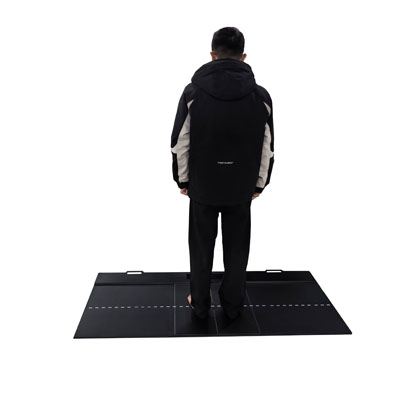
2.Assessment based on abnormal pressure distribution
During normal walking, the heel contacts the ground first, followed by weight transfer to the midfoot, and finally push-off via the forefoot.
In walking gait tests, low heel pressure may suggest fear of falling, deliberate toe-walking or stiff gait in older adults, which will trigger gait instability.
Excessively high forefoot pressure during walking may indicate insufficient toe clearance, over-tensed calf muscles and inadequate ankle dorsiflexion, making trips more likely.
Severe load asymmetry between the left and right feet observed in gait tests may stem from stroke, arthritis or repeated shift of body weight during walking.
3.Analyze variations in foot contact duration and contact area during walking
Prolonged heel contact time observed in gait testing may result from insufficient compensatory muscle strength.
Fluctuating plantar contact area indicates poor stability and inadequate supporting capacity.
Comprehensive data analysis enables early detection of subclinical balance impairment and advance prediction of potential fall risks.
Rehabilitation specialists carry out comprehensive analysis based on measured data and design targeted rehabilitation programmes such as balance training and proprioceptive training to prevent falls.
Regular collection of plantar pressure distribution and gait data before and after training helps evaluate training outcomes and dynamically adjust rehabilitation plans.
 Back to list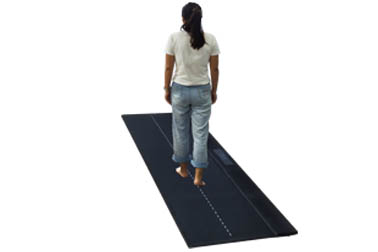


 +86-0755-86131192