
 +86-0755-86131192
 2026-11-23
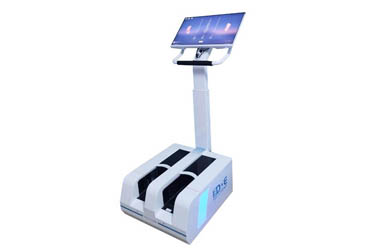
A 3D foot scanner is a device that uses optical scanning technology to obtain the three-dimensional geometric shape, dimensional data, and morphological characteristics of the surface of the human foot in a static state.
Currently, there are different types of foot scanning devices on the market, such as depth camera foot scanners, laser foot scanners, and structured light foot scanning devices.
Today, we mainly introduce the 3DOE 3D laser foot scanner.
1. What Data Does a 3D Foot Scanner Mainly Measure?
(1) 3D morphological data of the foot.
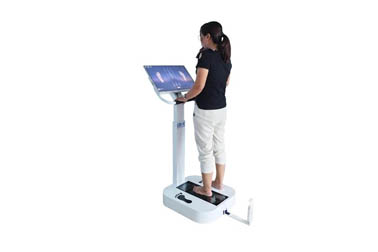
It obtains a 3D model and contour data of the foot surface by scanning the human foot in its natural standing position.
These data include: instep height, arch shape, toe shape, heel width, forefoot width, overall foot volume, foot surface area, and precise measurements of foot length and foot width.
(2) Precise dimensional data of the foot.
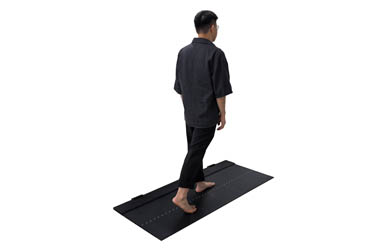
It mainly measures the linear dimensions and circumference data of different parts of the human foot under weight-bearing or non-weight-bearing conditions.
These data include: foot length, ball girth (forefoot circumference), instep girth (instep circumference), ankle circumference, calf circumference, dimensional differences between the left and right feet, and the widths of various foot joints.
(3) Foot angle and characteristic analysis.
Based on the 3D model, it analyzes key foot angle data to assess potential foot deformity risks and other related characteristics.
The main measurements include: hallux valgus angle, arch index, heel valgus angle, forefoot adduction angle, rearfoot valgus angle, toe bone curvature, plantar contact area, foot symmetry analysis, and foot type classification (such as Egyptian feet and Greek feet).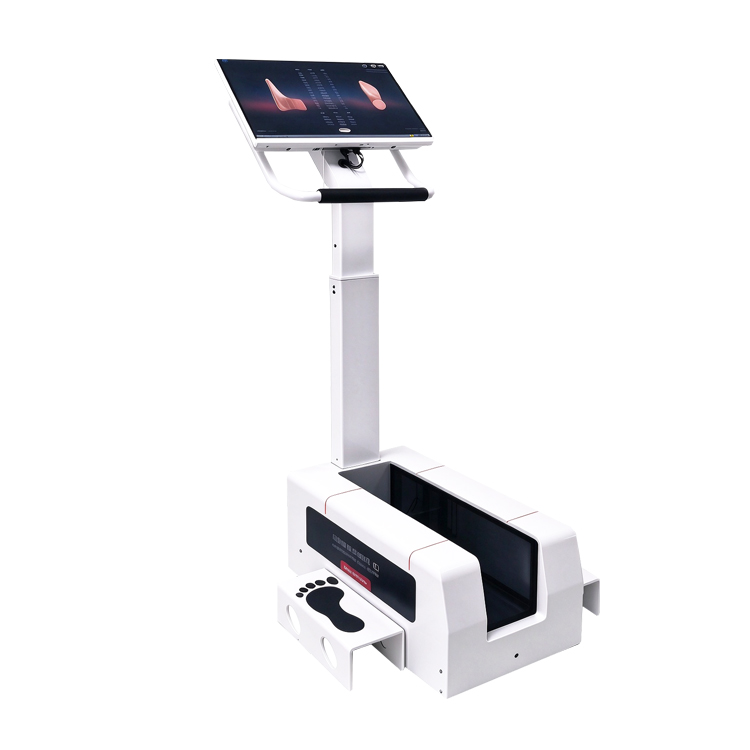
2. Which Fields Are 3D Foot Scanners Used In?
(1) Used in personalized footwear customization and 3D printing.
It obtains precise 3D model data of the human foot and analyzes foot morphological characteristics, providing reliable model references for personalized shoe last design, 3D-printed shoe soles, and customized footwear manufacturing.
(2) Orthotics and assistive device production centers.
It mainly obtains 3D morphological data of patients' feet and lower limbs, which are used to produce corrective insoles and ankle-foot orthoses, assess the severity of foot deformities, and assist in designing correction plans.
It can also provide data support for the design and fitting of prosthetic sockets.
(3) Used in footwear retail and e-commerce shoe size selection.
It analyzes consumers' foot dimensions and foot shape characteristics to recommend the most suitable shoe sizes and shoe lasts, solving the problem of ill-fitting shoes purchased online, improving wearing comfort, and reducing the likelihood of returns and exchanges.
(4) Used in anthropometry and foot health screening.
It is mainly used in scenarios such as school physical examinations and scientific research institutions, helping researchers establish foot databases more quickly and digitally, screen for abnormal foot development in children and adolescents (such as flat feet), and provide data references for foot health research.
 Back to list


 +86-0755-86131192