
 +86-0755-86131192
 2025-07-01
Have you ever experienced sore feet after exercise, slight discomfort in the knees, or limping or crooked posture after running for a long time? These problems are often not because you don’t practice enough, but because you walk "wrongly".
In the field of sports rehabilitation, more and more people are beginning to pay attention to "gait" - that is, the movement pattern of our body when we walk and run. And a seemingly low-key device is being widely used in professional training, it is the plantar pressure gait analyzer.
Today, let's talk about: Can this "floor"-like instrument really help sports rehabilitation? Is it black technology or a gimmick?
It can see how you walk
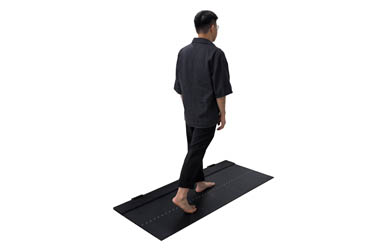
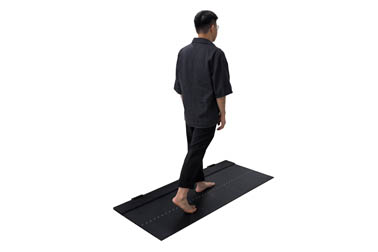
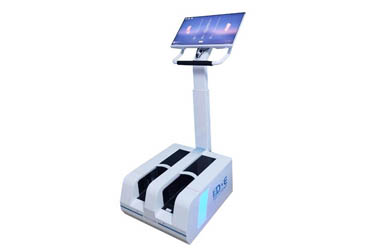
The plantar pressure gait analyzer, as the name suggests, is a device that can analyze "gait" and "dynamic changes in the plantar". It looks like an ordinary tablet, but it actually has thousands of highly sensitive pressure sensing points embedded in it.
When you walk barefoot or in socks across the test board, it will record your feet in real time in every step:
Force distribution
Standing time
Support area
Step length rhythm
Center of gravity transfer path
This is not just "stepping on it and seeing it", but a complete collection of your "data track" when walking, running, and standing, forming a complete set of digital gait files.
Why sports rehabilitation cannot do without "gait analysis"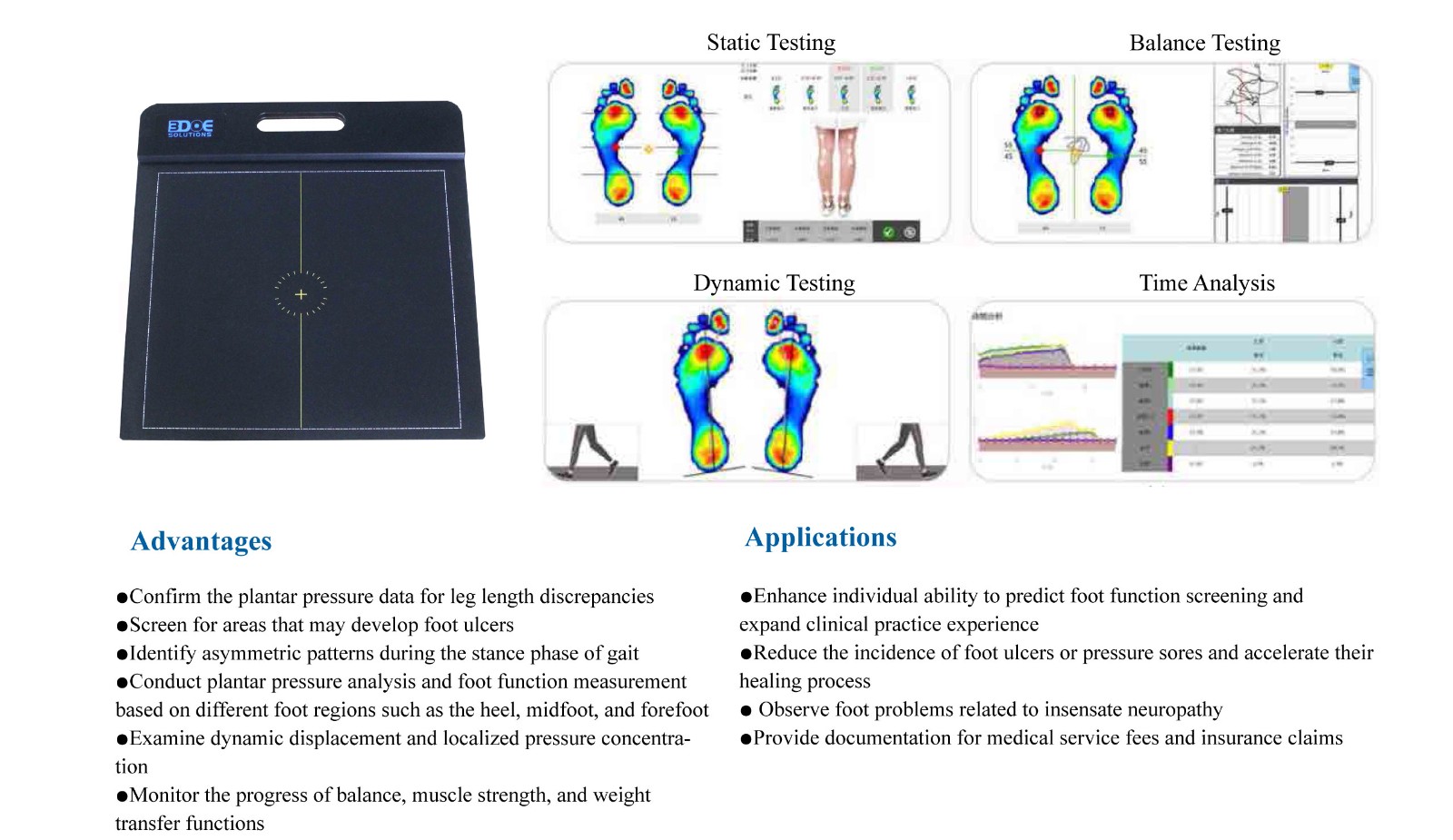
During exercise, our body is a precise whole. When the footsteps are unevenly stressed, problems often have a chain reaction:
Deflection of the sole may cause the knee to buckle
Knee twisting, which in turn affects the hip joint and lumbar spine
Finally causing systemic fatigue and even injuries
Many people often ignore the adjustment of gait during rehabilitation training, resulting in repeated strains and intractable pain. The plantar pressure gait analyzer is precisely the key tool for discovering abnormal movement patterns, evaluating rehabilitation progress, and guiding scientific training.
What does the plantar pressure analyzer "see"?
In rehabilitation training, several core functions of the analyzer are particularly useful:
1. Dynamic foot type analysis
By recording the contact time and force distribution of the sole of your foot in each step, it can be determined whether you are inverted (the foot tilts inward), everted (the foot collapses outward), or have an abnormal arch. These are all high-risk factors for chronic pain or sports injuries.
2. Gait symmetry assessment
Is the left foot always heavier than the right foot? Does one side land longer? Such problems are difficult to detect when walking, but the analyzer can accurately identify them, especially suitable for postoperative rehabilitation and sports injury recovery.
3. Center of gravity movement path tracking
From the heel landing to the toe leaving the ground, the direction of the center of gravity in each step will be visualized. If it deviates from the normal trajectory, it means that there may be hidden dangers such as insufficient core strength and unstable ankle control.
4. Comparative evaluation before and after training
After a set of rehabilitation plans are implemented for two weeks, stand on the analyzer again, and the system can compare the differences before and after with one click, and use data to reflect whether you are really "walking better".
Who is it suitable for?
Gait analysis is not only needed by professional athletes. The following groups of people will find it very practical to use a plantar pressure gait analyzer:
Running enthusiasts: incorrect running posture can easily cause knee strain and plantar fasciitis
Postoperative rehabilitation: rehabilitation training for knee surgery, ankle sprain, etc.
Elderly groups: unstable walking, shortened stride, anti-fall training
Adolescent development period: early detection of gait abnormalities, X-shaped legs, flat feet and other problems
Fitness and posture adjusters: used for gait optimization, improving body coordination and stability
Not just "measurement", but also "modification"
Rather than saying it is a testing device, it is better to say it is a silent but professional "training partner".
Because it can not only provide results, but also make personalized intervention suggestions based on data. For example:
Adjust exercise posture
Develop a reasonable weight-bearing plan
Recommend adaptive insoles
Set up targeted muscle activation exercises
In rehabilitation training, the truly effective means is not "practice more", but "practice correctly". And this instrument provides the scientific basis for "practice correctly".
The plantar pressure gait analyzer is not a gimmick, but an indispensable digital tool in modern sports rehabilitation.
It helps us see the invisible details under our feet, and uses heat maps and trajectory maps to turn "how you walk" into "how you should walk".
Rehabilitation is not blind repetition, but precise fine-tuning. And this precision starts from the moment you step on the test board.
 Back to list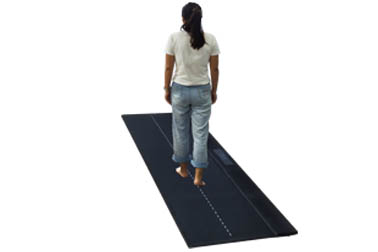


 +86-0755-86131192