
 +86-0755-86131192
 2025-09-05
Comprehensive Evaluation of Plantar Pressure Distribution System and Posture Correction
1. Core Evaluation Dimensions
Static Plantar Pressure Analysis
Detecting arch type during standing (flat foot/high arch), center of gravity distribution symmetry, and abnormal pressure areas.
Quantitative indicators include: plantar pressure peak, left-right foot pressure difference (normal value <10%).Dynamic Gait Analysis
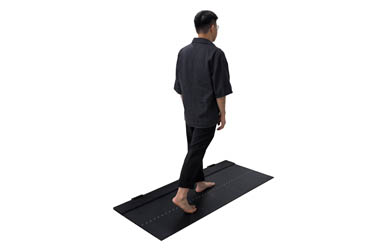
Tracking COP trajectory deviation, foot inversion/eversion angle, and gait line deviation during the gait cycle.
Identifying abnormal gait patterns (e.g., metatarsal pain, clubfoot) and forward-leaning center of gravity issues.Balance Function Testing
Assessing stability through tests (Sway ellipse area, center of gravity displacement distance).
Single-leg standing test with eyes closed can quantify vestibular function impact.
 2. Posture Correction Correlation Analysis
Posture Problem Diagnosis
Abnormal plantar pressure often accompanies compensatory postures such as forward head tilt or thoracic kyphosis.
The system can simultaneously analyze the entire posture chain (e.g., the relationship between pelvic tilt and foot eversion).Correction Effect Verification
After orthopedic insole intervention, an arch support force increase of over 20% is considered effective.
Improvement in dynamic gait line deviation angle (e.g., from 12° to 5°) reflects posture adjustment effects.
3. Clinical Application Scenarios
Sports Injury Prevention
Analyzing high plantar pressure points to customize sports insoles, reducing the risk of plantar fasciitis in runners.Rehabilitation Assessment
Postoperative patient gait parameters (e.g., ground contact time) reaching 90% of the healthy side is considered rehabilitation standard.
4. Technical Implementation Points
Testing Specifications
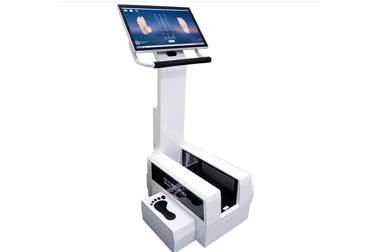
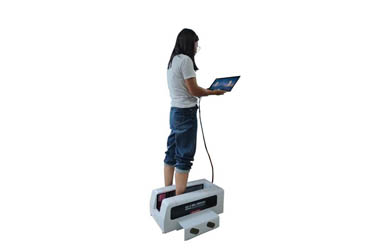
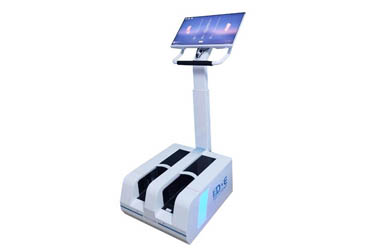
Static testing requires barefoot standing, with the heel aligned to the edge of the pressure plate.
Dynamic testing requires walking at a natural pace for ≥10 steps to eliminate errors.Report Interpretation
Should be combined with 3D foot scanning data to exclude soft tissue compensation factors.
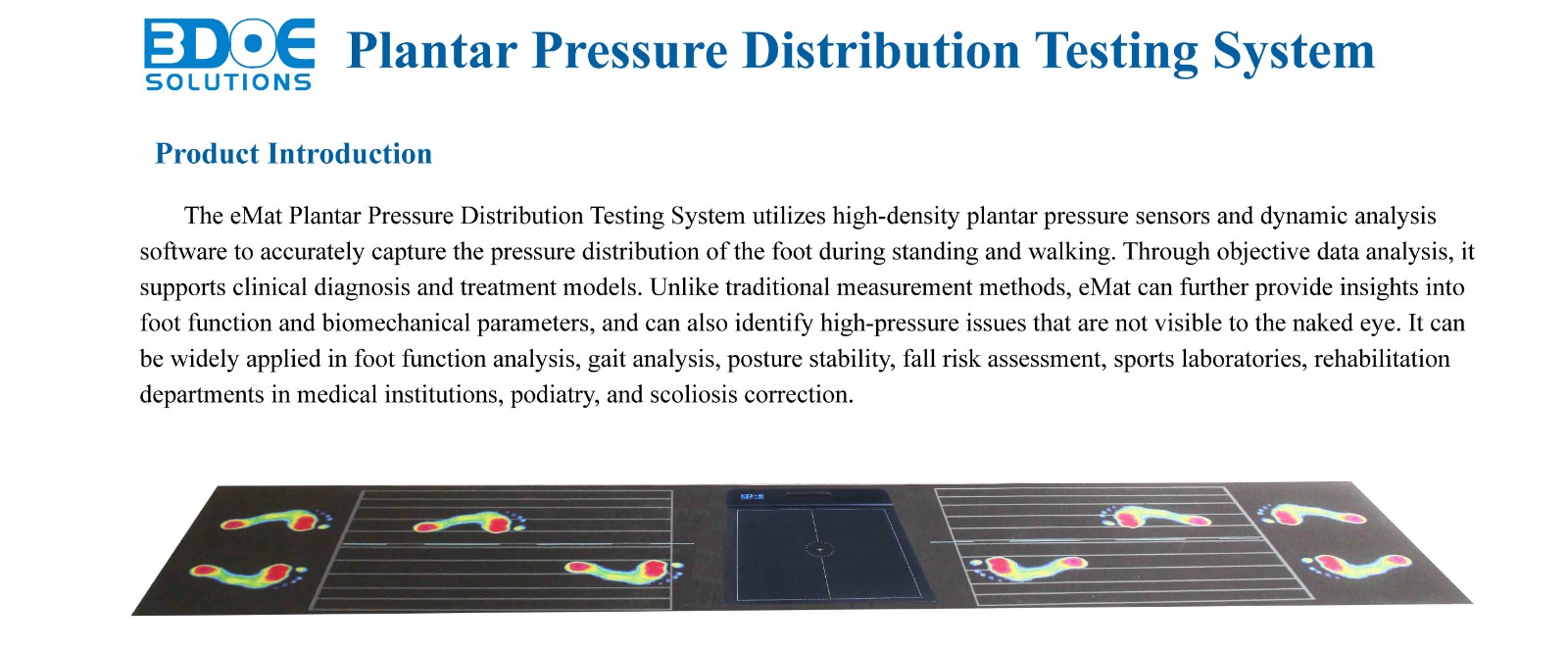
Pressure heatmap color grading (red → yellow → blue) visually displays abnormal areas.
This system has formed a standardized evaluation process. It is recommended to perform follow-up examinations every three months to dynamically track correction effects.
 Back to list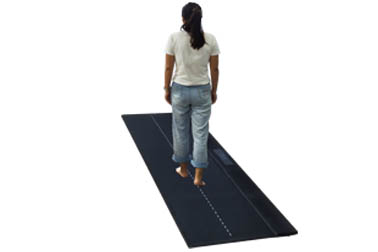


 +86-0755-86131192