
 +86-0755-86131192
 2025-09-05
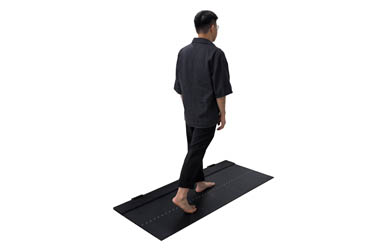
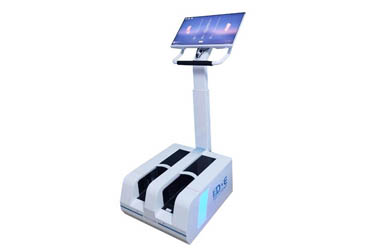
The plantar pressure plate plays a key role in pre- and post-operative comparative evaluation in orthopedic surgery. Its application value is mainly reflected in the following aspects:
1. Core Role in Preoperative Evaluation
Biomechanical Baseline Establishment
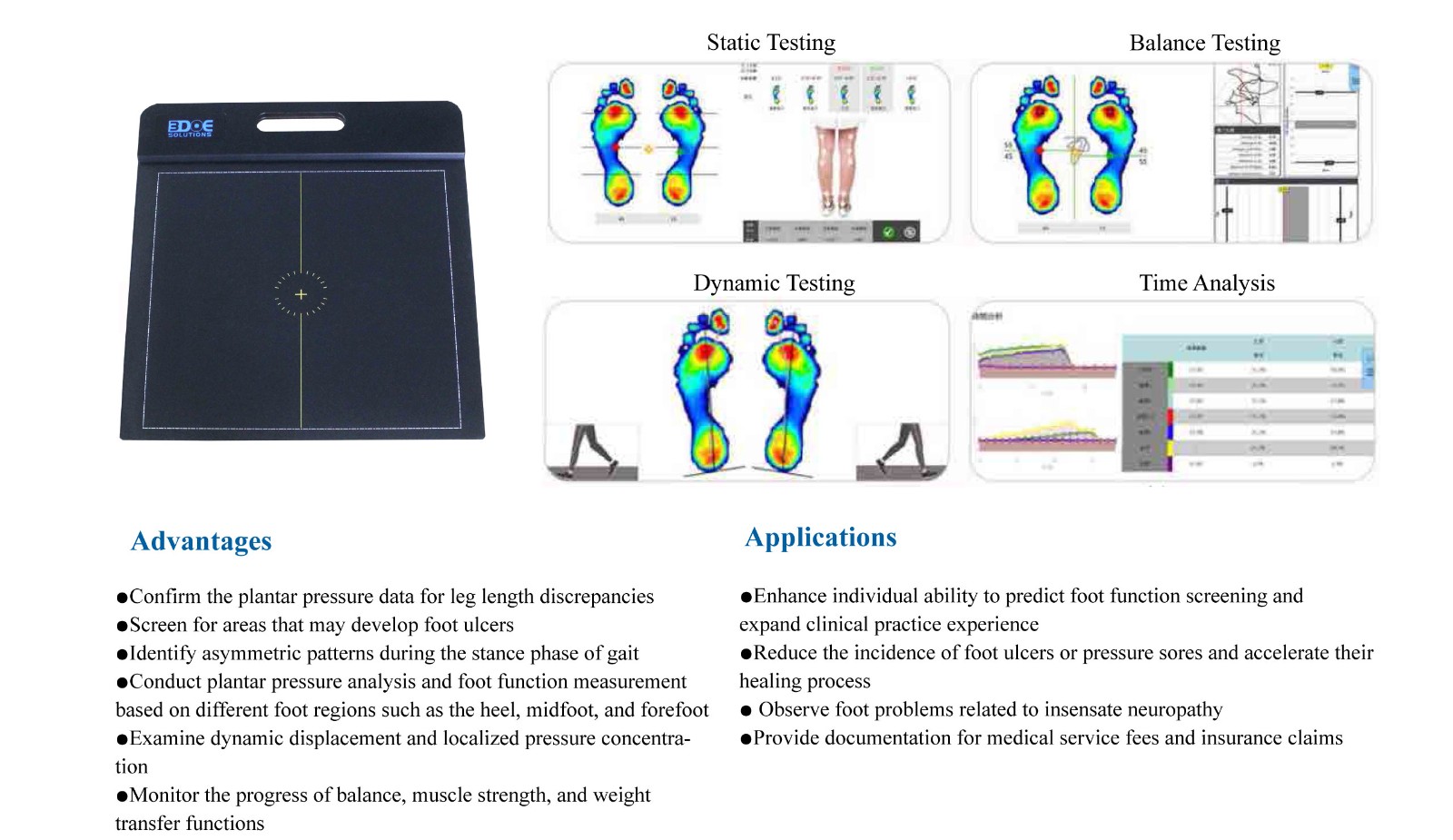
Through static/dynamic testing, data such as plantar pressure distribution, COP trajectory, and foot arch load ratio are obtained to establish the patient's preoperative biomechanical baseline.Basis for Surgical Plan Formulation
Identifying abnormal pressure areas (e.g., concentrated pressure on the first metatarsal) to assist in determining the osteotomy correction angle.
Quantifying the degree of deformities such as flat feet or high arches to guide the choice of surgical approach.Risk Prediction
Predicting the difficulty of postoperative balance function recovery by analyzing the displacement of the center of pressure.
 2. Key Indicators in Postoperative Evaluation
Mechanical Balance Verification
Comparing pre- and post-operative COP trajectory symmetry to assess the correction effect (normal value: anterior-posterior foot pressure ratio 40:60).
Detecting metatarsal pressure redistribution (postoperative pressure on the first metatarsal should decrease by 15-20%).Gait Function Recovery
Dynamic testing of gait cycle parameters (e.g., ground contact time, push-off force) improvement.
A 30% or more reduction in the Sway ellipse area in balance tests is considered effective recovery.Complication Early Warning
Early detection of prosthesis loosening or poor bone healing through pressure hotspot detection.
3. Typical Application Scenarios
Hallux Valgus Correction
Pre- and post-operative comparison shows: postoperative COP trajectory outward deviation reduced by 50%, and first metatarsal pressure peak decreased by 18%.Ankle Joint Replacement
Dynamic testing shows a correction in gait line offset angle from 12° preoperatively to within 5° postoperatively.Diabetic Foot Ulcer Prevention
A 40% reduction in postoperative foot pressure standard deviation significantly reduces recurrence risk.
4. Implementation Guidelines
Testing Conditions
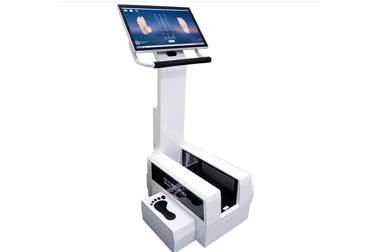
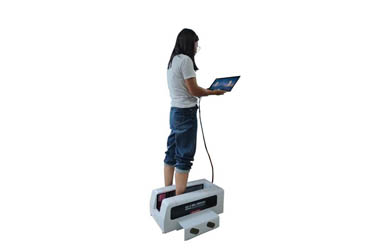
Static testing: barefoot standing, with the heel aligned with the edge of the pressure plate.
Dynamic testing: walking at a natural pace for ≥10 steps to eliminate random errors.Data Interpretation
Should be combined with imaging examination, and abnormal pressure data should exclude soft tissue compensation factors.
This technology has formed a standardized evaluation process. It is recommended to perform comparative tests three days before surgery and three months postoperatively to provide quantitative evidence for rehabilitation plan adjustment.
 Back to list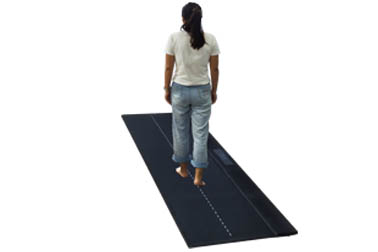


 +86-0755-86131192