
 +86-0755-86131192
 2026-06-01
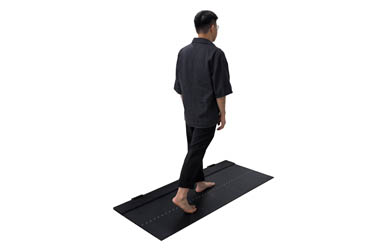
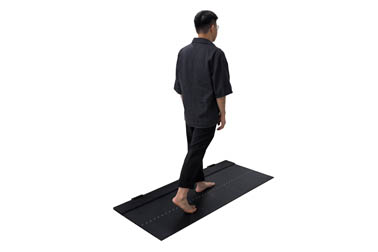
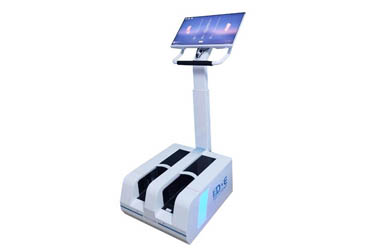
A plantar 3D scanner, usually performs foot detection and measurement through laser and other optical principles, mainly obtains 3D morphological data of the plantar, which includes key dimensions such as foot length, foot width, arch height, as well as 3D data in formats such as STL.
A plantar 3D scanner, is often applied in the production of custom insoles, and this application is increasingly gaining popularity and recognition in the industry.
So, how is a plantar 3D scanner applied to custom insoles?
A plantar 3D scanner mainly obtains 3D data of the plantar in formats such as STL, the measurement process is automated, it can perform automatic measurement, it can perform automatic calculation, there will be no human error, and the time required for measurement is very short, usually only about 20 seconds to complete the measurement.
The accuracy of the measured data is also relatively high, for example, the plantar 3D scanner from 3DOE adopts 4-8 viewing angles for scanning, its accuracy can reach within 0.5mm.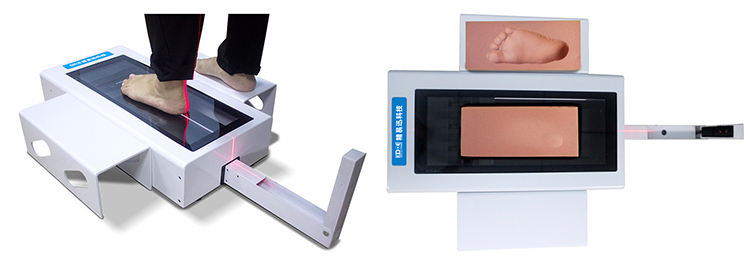
After the data is measured, doctors or physiotherapists will use this data, develop scientific and reasonable protection and correction plans for our foot health, formulate scientific production plans for the insole production, such as reasonable adjustment of plantar pressure distribution and so on, so that after we wear the insoles, we will feel more comfortable.
If foot problems such as flat feet, high arch, foot varus, foot valgus are detected in our plantar, doctors and physiotherapists can also make reasonable adjustments based on this data, design orthotic insoles that can fully achieve correction effects.
During the design process, it is necessary to import the measured 3D data in formats such as STL into the insole design software, then perform modeling of the insole, then perform personalized design of the insole, as well as correction design of the insole.
After designing the insole in the design software, then the data is exported, through data processing, via methods such as a USB flash drive, the processed data is imported into a 3D printer or an insole carving machine to produce the insole.
This production process usually takes about 40 minutes.
After the insole is produced, it is also necessary to according to the customer's needs and preferences, perform polishing, veneering and so on, finally make the finished product, and via methods such as express delivery, deliver it to the customer's hands.
Later, according to needs, conduct follow-up interviews with users who wear the insoles, check whether the produced insoles have the expected effects, during this process, appropriate adjustments to the design and production may also be required, so that the produced insoles can truly achieve the ideal effects, and can better protect people's foot health.
 Back to list


 +86-0755-86131192