
 +86-0755-86131192
 2026-06-02
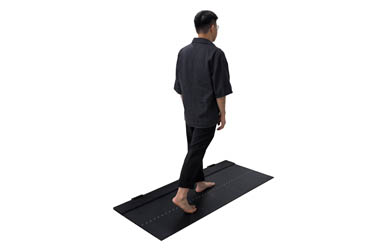
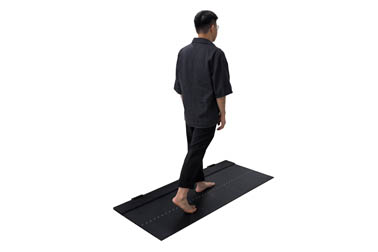
The plantar pressure plate is a device that senses human plantar pressure via high-sensitivity sensors and real-time detects the pressure distribution of various plantar parts and relevant gait data when a person stands still or walks.
Working principle of the plantar pressure plate: A large number of array-arranged high-sensitivity and high-precision pressure sensors are installed inside the pressure plate, including resistive pressure sensors, piezoelectric pressure sensors and capacitive pressure sensors. When the sole of a person’s foot touches the pressure plate, these pressure sensors detect the load applied to each position.
After the pressure values are collected, the sensors convert such pressure data into electrical signals and transmit the signals to computer software. The software analyzes and calculates the data, then displays the results in graphic forms within measurement reports.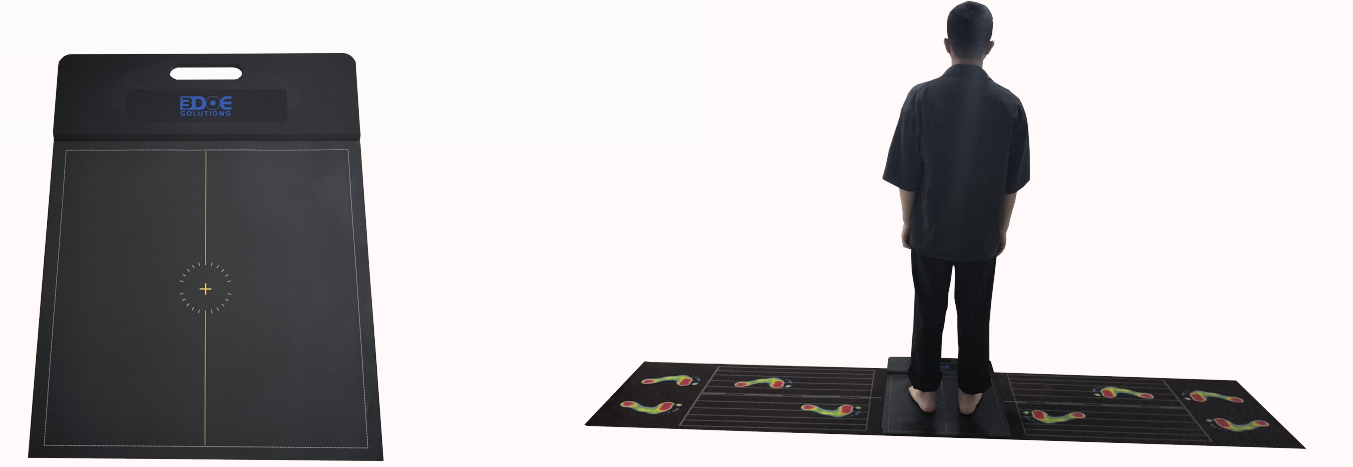
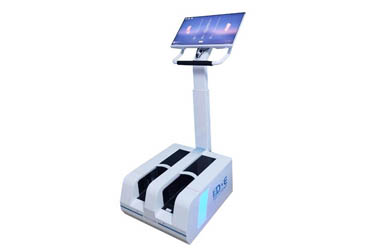
3DOE supplies multiple models of plantar pressure plates such as eMat460, eMat500, eWay1500 and eWay2000. Models come in different specifications with varying sensing points and plate dimensions, allowing customers to select the appropriate model according to specific application scenarios.
Plantar pressure plates are commonly used in the following scenarios:
1. Design and fabrication of orthotic insoles
With measured plantar pressure distribution data, rehabilitation therapists and physicians can formulate scientific and rational foot orthosis plans.
Insole designers import plantar pressure data into insole design software and optimize plantar pressure distribution based on individual foot shapes. The finished insoles achieve proper foot loading and supporting distribution to realize foot correction.
Typical orthotic insoles include insoles for flat feet, high-arched feet, hindfoot varus and hindfoot valgus correction.
2. Customization and development of orthopedic footwear
Collected plantar pressure data helps designers optimize shoe sole structure and supporting layout to improve wearing comfort and deliver corrective effects for foot disorders.
Common customized footwear includes protective footwear for diabetic feet, anti-fall shoes for the elderly, children’s orthopedic shoes, corrective footwear for flat feet, high-arched feet, foot varus and foot valgus.
3. Medical rehabilitation assessment
Plantar pressure and gait data enable assessment of foot health conditions such as high arches, flat feet and diabetic foot.
Besides, the equipment is adopted for gait analysis of children with cerebral palsy, rehabilitation evaluation after lower limb injuries and post-operative orthopedic rehabilitation assessment.
 Back to list


 +86-0755-86131192