
 +86-0755-86131192
 2026-06-05
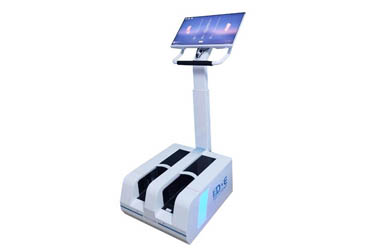
Plantar pressure distribution system is also a professional foot function assessment device.
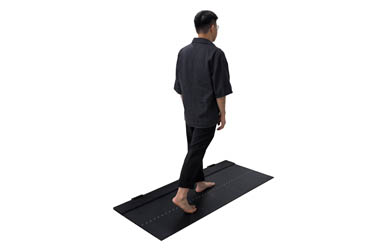
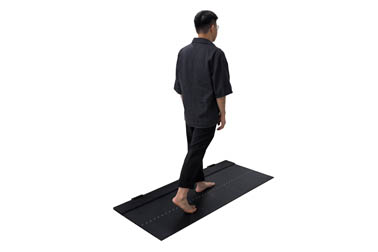
3DOE's plantar pressure distribution system collects plantar pressure and performs gait analysis based on the principle of high-sensitivity sensors, processes the data, and generates visual diagnostic reports.
The most common application scenarios of the plantar pressure distribution system are as follows:
Diabetic foot risk assessment.
For high-risk feet with peripheral neuropathy, plantar sensory loss, previous ulcer history and other conditions, more and more people choose to conduct early intervention through pressure distribution testing.
Because prevention through pressure distribution testing is non-invasive and painless, the process is fast, it can accurately locate risk points, and it is also cost-effective.
In the process of risk assessment, it is first necessary to obtain dynamic plantar pressure data, otherwise it is difficult to detect hidden dangers invisible to the naked eye.
With the plantar pressure distribution system, it only takes a few steps to obtain the pressure heat map, and then these pressure data are imported into the risk assessment software to model the ulcer probability.
Of course, to complete the comprehensive protection of diabetic feet, other equipment is also needed, such as Semmes-Weinstein monofilament tactile and pain testers or vascular Doppler, etc.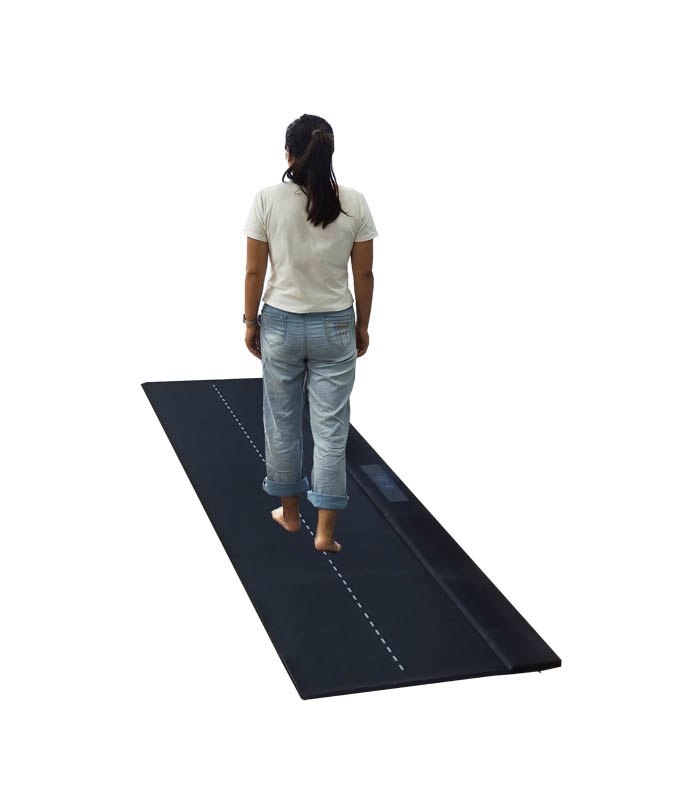
Common customers for risk assessment include: endocrinology departments, diabetes specialist clinics, podiatry diagnosis and treatment centers, rehabilitation hospitals, elderly care institutions, etc.
Design of orthotic insoles and decompression shoes.
Orthotic insoles mainly include total contact insoles, decompression insoles, functional orthopedic shoes, etc.
With the advancement of medical technology and the development of digital equipment, plantar pressure testing equipment is basically used in the field of diabetic foot aids now.
And the plantar pressure distribution system is currently being widely used.
Because measurement through the pressure system provides objective and accurate data, saves trial and error costs, it usually only takes a few minutes to measure a person's plantar pressure distribution, and the accuracy is high. For example, 3DOE's sensors can capture subtle pressure changes.
This can greatly reduce the probability of ulcer recurrence.
Application directions of decompression aids: customized decompression insoles, diabetes-specific shoes, postoperative decompression shoes, Charcot foot braces, special footwear modification, etc.
The industries applicable to this scenario include: prosthetic and orthotic factories, diabetic foot aid centers, professional shoe-making enterprises, etc.
Gait analysis and curative effect evaluation.
After plantar pressure scanning, a gait analysis report can be directly generated. In the report, the biomechanical conditions of walking can be directly analyzed and evaluated.
For example, it is often used to detect gait asymmetry, abnormal plantar pressure peak, changes in stance phase time, force shift caused by foot deformity, etc.
Common institutions that use it include: rehabilitation medicine departments, orthopedics departments, sports medicine centers, foot and ankle surgery departments, etc.
Through pressure distribution testing, it can not only evaluate gait health, but also establish complete dynamic files, which can be used to compare changes before and after surgery, etc.
Health management and science popularization education.
Introducing the plantar pressure distribution system in the consulting room can make it a "doctor-patient communication tool".
In the consulting room, patients can intuitively see the plantar force situation, which can help doctors intelligently analyze the causes of ulcers, intelligently recommend appropriate decompression plans, and also allow patients to conduct free foot health self-tests, and provide free download of risk reports, improving patients' compliance and treatment cooperation.
By introducing the pressure distribution system, hospitals can improve diagnostic efficiency, increase patients' trust in the consulting room, at the same time enhance the sense of professionalism and technology, and also help patients establish long-term awareness of foot health management, etc.
Common types of stores that use it include: endocrinology consulting rooms, diabetes education centers, physical examination centers, etc.
 Back to list


 +86-0755-86131192