
 +86-0755-86131192
 2026-06-05
Plantar Pressure Distribution System Is a Kind of Gait Analysis Detector.
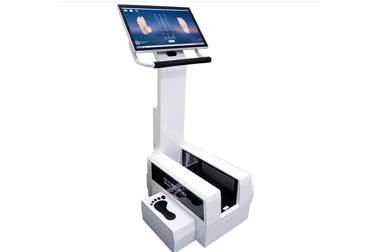
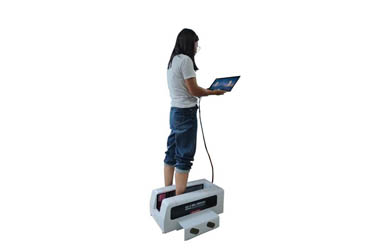
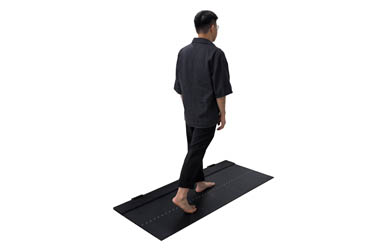
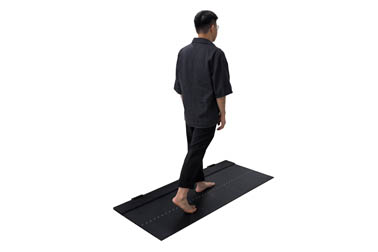
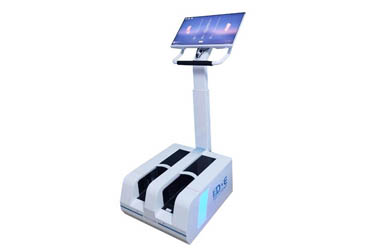
The 3DOE Plantar Pressure Distribution System collects plantar pressure data, conducts balance tests based on the high-density sensor principle, performs data analysis and generates visualized evaluation reports.
The most common application scenarios of the plantar pressure distribution system fall into the following four categories:
1. Fall Risk Screening
Elderly groups with declined muscle strength, poor balance, Parkinson’s disease and stroke sequelae increasingly adopt pressure distribution testing for fall prevention.
Pressure screening is non-invasive, pain-free and easy to operate; it can quantify fall risks and boasts high cost performance.
Static and dynamic pressure data are essential in fall risk assessment to identify unstable body center of gravity.
The plantar pressure distribution system captures center-of-pressure trajectories simply by requiring subjects to stand still or take several steps; these data are imported into balance assessment software to build models for risk grading.
Additional equipment such as muscle strength testers or balance training devices is required to deliver comprehensive fall prevention intervention.
Primary clients for fall screening include nursing homes, community health service centers, geriatric hospitals, rehabilitation centers and physical examination institutions.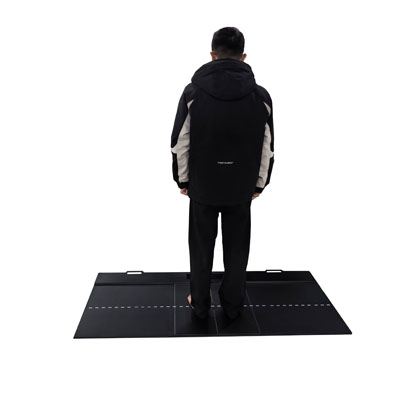
2. Assistive Device Fitting and Orthosis Design
Assistive device fitting covers orthotic insoles, walking aids, functional footwear and ankle-foot orthoses.
Thanks to advances in rehabilitation technology and intelligent equipment, plantar pressure testing devices have become standard tools in the elderly assistive product industry, and plantar pressure distribution systems enjoy extensive popularization at present.
Measurements from the pressure system deliver objective and precise data and shorten fitting time; a full plantar pressure test only takes several minutes. Sensors of 3DOE can capture subtle shifts of the center of gravity to substantially improve the fitting accuracy of assistive products.
Application directions for assistive device fitting: fall-prevention orthotic insoles, balance-aided footwear, walking aid pressure adjustment, ankle-foot orthosis fitting and household anti-slip renovation.
Target industries and facilities: assistive device fitting centers, rehabilitation engineering enterprises and elderly goods retail stores.
3. Rehabilitation Training and Balance Function Examination
Plantar pressure scanning instantly produces balance analysis reports to evaluate physical stability.
It is widely used to measure center-of-gravity deviation, sway trace of pressure center, weight-bearing ratio between left and right feet and gait symmetry.
Applicable institutions include rehabilitation hospitals, neurology departments, geriatric departments and sports medicine centers.
Apart from balance assessment, pressure distribution testing supports complete health file establishment and comparative analysis of physical changes before and after rehabilitation training.
4. Smart Elderly Care and Institutional Management
Introduced into elderly care facilities, the plantar pressure distribution system serves as a professional health management tool.
Seniors in care facilities can take regular pressure tests. The system helps nursing staff intelligently evaluate fall risks and formulate targeted care plans. Family members gain free access to balance reports and downloadable health files, which strengthens family trust and upgrades institutional service quality.
Deployment of the pressure system improves nursing efficiency, boosts seniors’ sense of safety during accommodation, elevates institutional professionalism and technological competitiveness, and works as a highlight for institutional enrollment promotion.
Common adopters: high-end nursing homes, skilled nursing facilities and day care centers.
 Back to list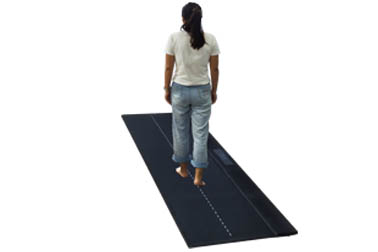


 +86-0755-86131192