
 +86-0755-86131192
 2026-06-23
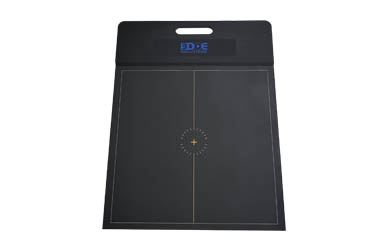
The plantar pressure analysis instrument primarily utilizes electronic principles, such as high-sensitivity sensors, to measure the distribution of plantar pressure on the human foot.
The measured data includes: peak plantar pressure, center of pressure trajectory, left and right foot load ratio, forefoot and rearfoot pressure ratio, contact area of each zone, plantar pressure distribution map, impulse, stance phase time, gait cycle, contact time, flight time, cadence, stride length, speed, plantar pressure-time integral, and dozens of sets of data.
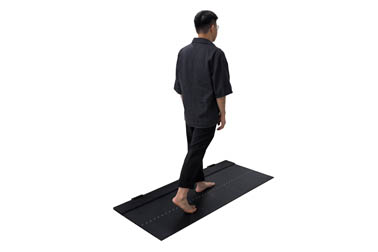
Pressure sensing belongs to dynamic contact measurement; it does not cause physical restraint to human motion posture and does not bring burden to people. The sensor sensitivity is also below the human perception threshold and will not cause interference to the human body. Whether standing still, walking, running, or jumping, all can be tested; the sports scenarios are wide, with no restrictions.
Moreover, the measurement frequency is very high. Capturing the data of a complete gait cycle often requires only a sampling interval of a few milliseconds, and it simultaneously generates dynamic pressure heat maps and time-series data that can be exported in formats such as CSV.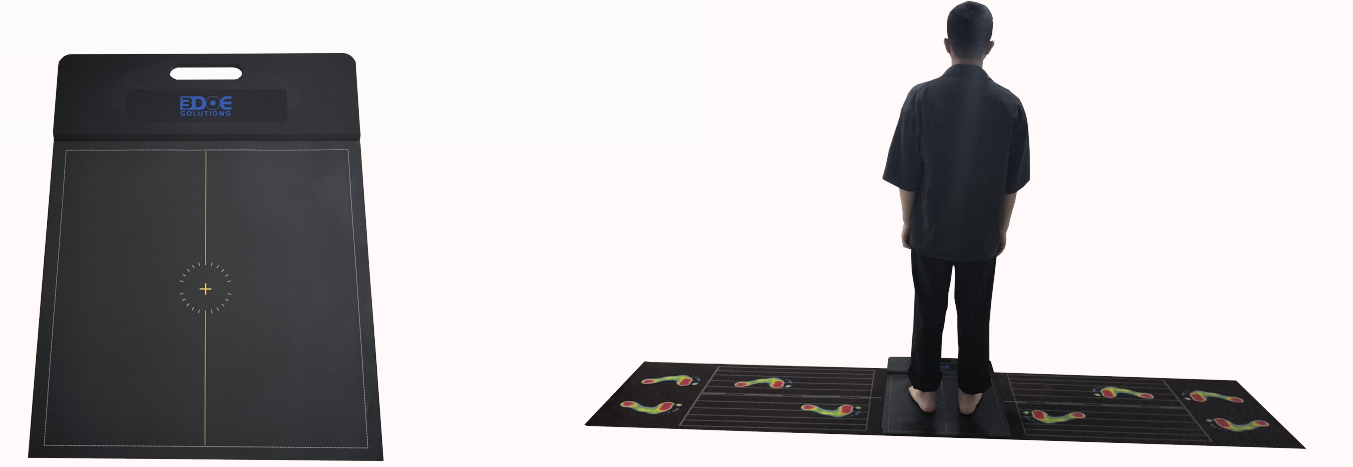
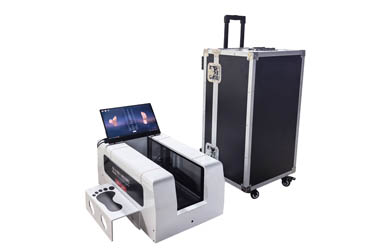
The analysis software also conducts biomechanical analysis on the collected data and evaluates motion posture, such as assessing foot pronation, foot supination, gait asymmetry, abnormal landing patterns, uneven pressure distribution, risk of plantar ulcers, etc. The analysis report is presented with dynamic videos and specific curve charts, allowing us to intuitively understand our motion mechanics conditions.
The data measured by the plantar pressure analysis instrument has the following uses:
1. Conducting Gait and Injury Screening
For example, applied in sports teams or rehabilitation centers to conduct gait screening.
It can help coaches and physical therapists quickly diagnose a person's risk of sports injury, providing a scientific mechanical basis.
Its high capture precision is especially suitable for the refined analysis of elite athletes, which can better safeguard a person's sports career.
2. Application in Professional Running Shoe Stores
In professional running shoe stores, introducing a plantar pressure analysis plate allows runners to actually run a few steps to test their feet, enabling runners to fully understand their landing habits, which can improve the customer's professional experience and enjoyment of data-driven services.
In the software, the store's shoe database can be configured, such as importing the store's cushioning and support running shoes. After the runner completes the test, the system can intelligently match suitable running shoes based on the runner's arch collapse degree and center of pressure trajectory, allowing runners to quickly find running shoes that fit their biomechanics. This promotes the transaction rate, while also reducing sports injuries caused by wrong shoe selection, and enhancing customer loyalty.
Furthermore, if the test reveals conditions such as severe foot pronation or insufficient high arch cushioning, the store can also provide value-added services such as custom insoles and muscle strength training suggestions, increasing revenue channels.
3. The Measured Pressure Data Can Be Used for the Design and Production of Personalized Insoles
The measured data, such as pressure distribution peak points, can be imported into professional orthotic design software to conduct targeted decompression or support design.
Rehabilitation therapists and podiatric orthotists then formulate reasonable biomechanical correction plans based on the pressure distribution hotspots and apply them to the hardness and curvature design of the insoles, thereby designing and producing correction insoles and related sports aids that truly improve gait effects.
 Back to list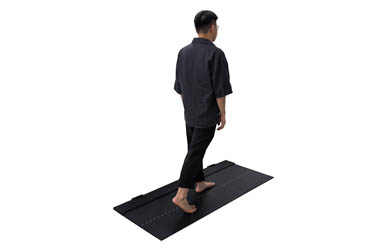


 +86-0755-86131192