
 +86-0755-86131192
 2026-07-01
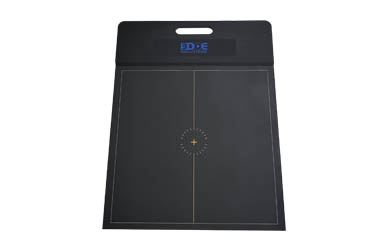
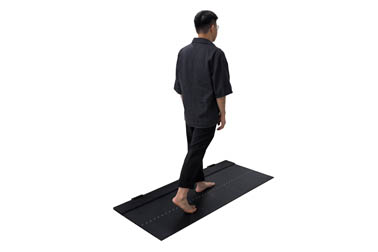
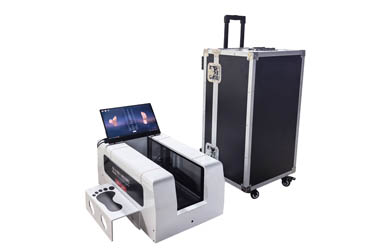
The plantar pressure plate is a device that collects data such as the pressure distribution of various parts of the sole when a person is in a state of static standing or walking.
The most common cause of diabetic foot is peripheral neuropathy, which leads to an inability to perceive extremely high pressure, and the local area bears extremely high pressure for a long time, resulting in foot ulcers.
The greatest function of the plantar pressure plate is to discover high-pressure points in various parts of the sole and to take effective measures in time, thereby avoiding the occurrence of foot ulcers.
The following data measured by the plantar pressure plate are often used as references for evaluating diabetic foot.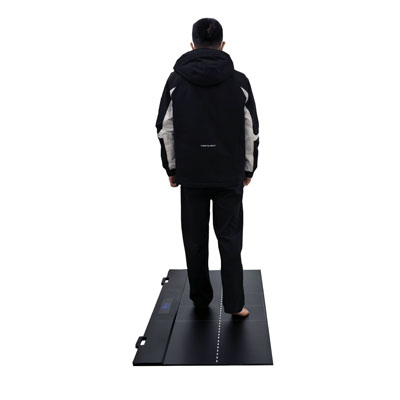
1. Peak plantar pressure.
Under normal circumstances, when we walk, the pressure range of various parts of the sole is between <200-250 Kpa.
When the peak plantar pressure exceeds 300 Kpa, it belongs to a high-risk area and should be focused on.
The plantar pressure plate can detect the pressure peaks of various parts of the sole in real-time under our static standing or walking state, which is very important for the evaluation of diabetic foot.
2. Plantar pressure distribution.
Through the pressure plate, we can know the pressure distribution data of each area at a glance.
When abnormal pressure distribution occurs, such as excessive forefoot loading or lateral heel loading, it will cause the local pressure to exceed the normal value. If there is no effective intervention for a long time, it will lead to ulcers caused by repeated skin abrasion.
3. Gait asymmetry.
The plantar pressure plate can measure our gait conditions.
If there is severe gait asymmetry, even if the peak plantar pressure is currently within the normal range, there is still a risk of inducing diabetic foot.
Because long-term gait asymmetry will cause our foot pressure to constantly deviate to one side or a certain part. In the long run, this will also cause local muscles to bear impact for a long time, thereby leading to the occurrence of ulcers and inducing diabetic foot.
Through the measurement of the plantar pressure plate, there are mainly several functions.
One is to provide early warning of the potential risk of foot ulcers and to intervene in time.
The other is to conduct data evaluation in the case of existing ulcers and carry out personalized treatment plans, such as making corresponding corrective insoles based on the data, or evaluating rehabilitation recovery based on the data, etc.
 Back to list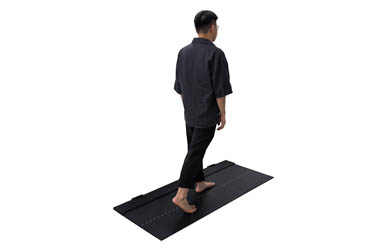


 +86-0755-86131192