
 +86-0755-86131192
 2026-07-22
The plantar pressure distribution system is one of the important means for detecting and evaluating flat feet.
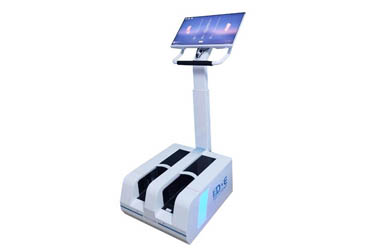
The plantar pressure distribution system mainly uses a high-sensitivity sensor array to detect and measure the sole of the foot.
It obtains spatiotemporal data of plantar pressure, including peak pressure, pressure-time integral, contact area, center of pressure trajectory, and other data.
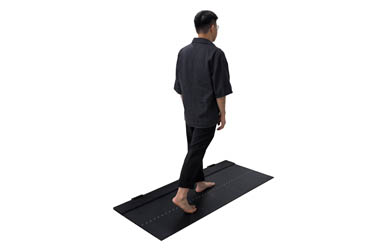
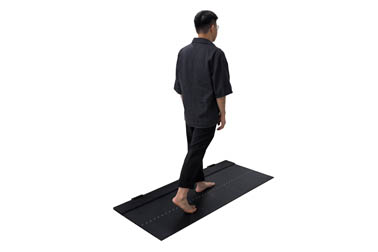
A person stands on the equipment and walks; just a few steps are enough to complete the measurement. It not only generates a pressure cloud map but also generates a corresponding analysis report. Through the analysis report, the gait assessment results can be seen, including whether there is foot varus, foot valgus, forefoot overload, etc.
The common methods for evaluating flat feet through plantar pressure distribution are as follows:
1. Look at the static measurement pressure distribution cloud map.
This function is very intuitive. It is done by standing naturally with both feet on the pressure plate to see the distribution cloud map of plantar pressure.
Normal foot: The pressure is mainly concentrated on the heel and forefoot, and the pressure at the arch is small.
Flat foot: There is an obvious pressure distribution on the medial side of the arch. At a glance, the arch is collapsed, and the entire sole is bearing force.
This function is simple to operate and can produce results in a few seconds. However, this static assessment has limitations, is not so comprehensive, and it is also difficult to reflect the real stress situation during walking.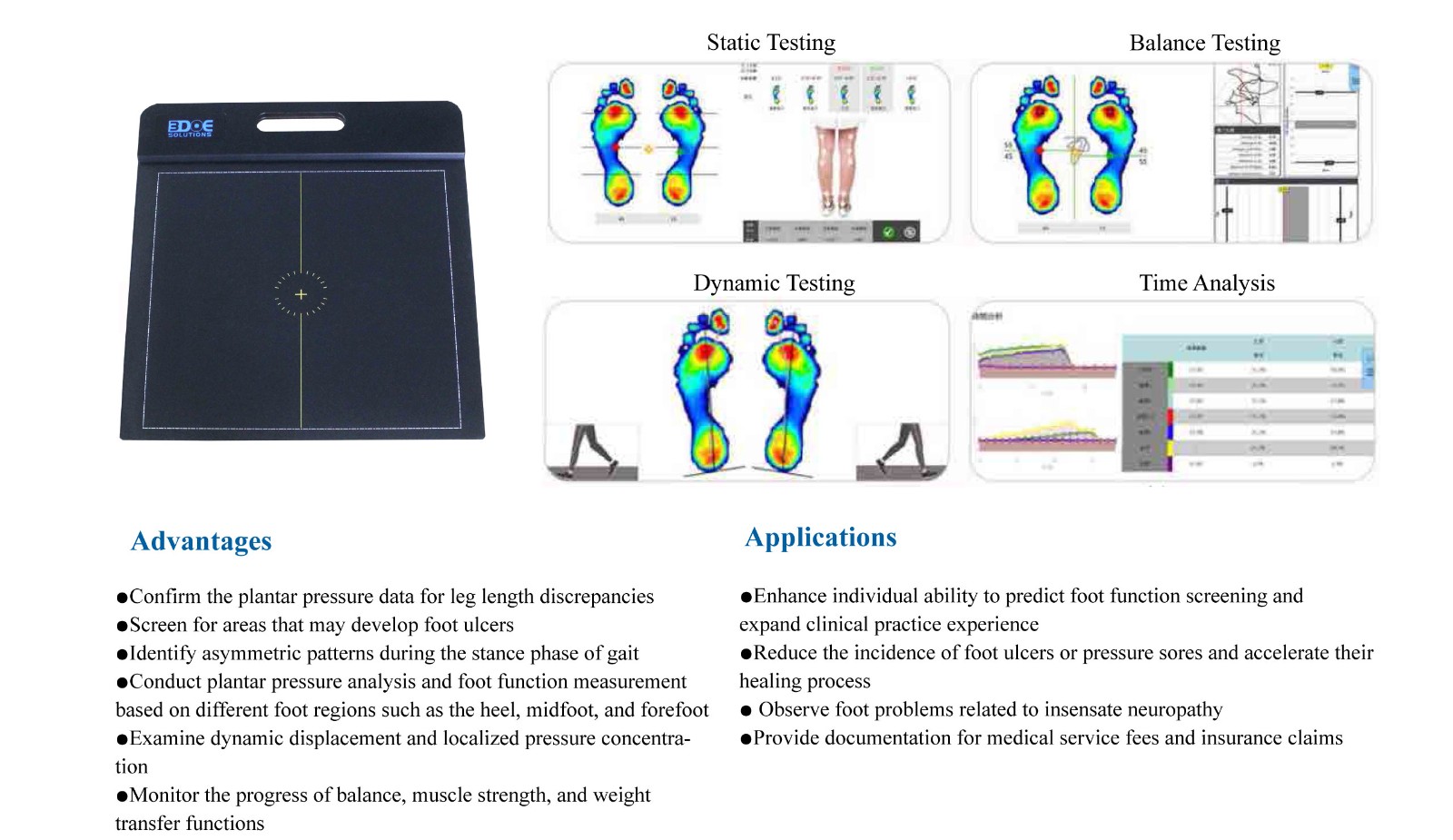
2. Observe and analyze the judgment of the center of pressure trajectory.
Walk on a special plantar pressure plate and runway, and then observe the process of the foot touching the ground on the software.
Check whether there is an abnormal deviation in the center of pressure trajectory. If there is, there may be a gait problem.
Because most flat feet are accompanied by excessive foot eversion.
This method mainly relies on trajectory judgment. The result is not so intuitive and may even have the threshold of complex analysis.
3. Judge by the Arch Index (AI) of the foot arch contact area.
Arch Index (AI) = Contact area of the arch region ÷ Total contact area of the entire sole
Industry grading standards:
AI < 0.23: Indicates a normal foot, with an obvious arch gap;
0.23 ≤ AI < 0.26: Indicates mild flat foot, with slight arch collapse;
0.26 ≤ AI < 0.30: Indicates moderate flat foot, with most of the arch fitting the ground;
AI ≥ 0.30: Indicates severe flat foot, with the arch completely sticking to the ground and the entire sole under pressure.
Among the above evaluation methods, the third one is more common and more accurate because it has precise data for analysis and judgment, and the data is more referential.
Of course, you can choose the appropriate method for evaluation according to different application scenarios and needs.
 Back to list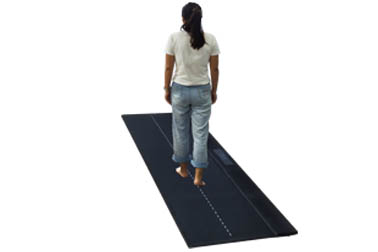


 +86-0755-86131192