
 +86-0755-86131192
 2026-08-10
Plantar pressure testing is gaining widespread attention, and this sector is expanding rapidly. Traditional insole customization methods that rely solely on static visual observation can no longer meet professional requirements.
An increasing number of institutions have begun adopting plantar pressure measuring instruments for insole customization applications to raise the professionalism of their services.
What is a plantar pressure measuring instrument?
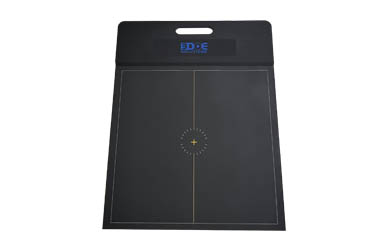
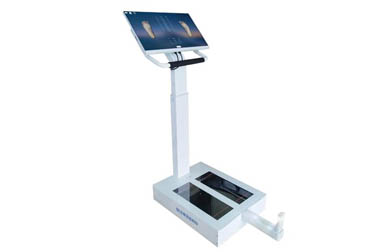
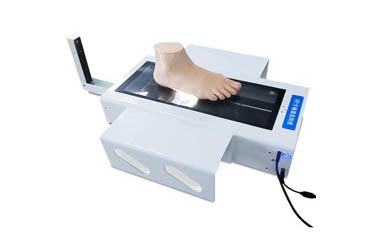
A plantar pressure measuring instrument is a device that uses high-sensitivity sensor technology to acquire plantar pressure distribution data and generate dynamic gait analysis reports.
Measurable data include contact time, stance phase duration, swing phase duration, peak pressure, center of pressure trajectory, left-right foot balance, impulse distribution, cadence and stride length, heel contact angle, inversion and eversion angular velocity, and more.
The measured data can directly generate analysis reports presented in the form of heat maps. Through analysis reports, users can intuitively understand their gait characteristics, such as the presence of foot pronation, foot supination, excessive forefoot loading, insufficient heel weight bearing, and so on. It can also facilitate gait cycle assessment, load point analysis, and recommendation of correction protocols.
In addition, the measured data can be exported into files in CSV and other data formats.
CSV data files assist designers in conducting precise load analysis for insoles.
Designers can import the acquired pressure data directly into professional insole design software to rapidly build biomechanical models, which constitutes the most critical step in designing functional insoles.
Based on pressure distribution, designers carry out rational zoned design for insoles, such as implementing cushioning treatment for high-pressure zones, enhancing support for low-pressure zones, correcting the medial longitudinal arch, adjusting the position of metatarsal pads, etc., enabling users to bear force more evenly while walking.
For biomechanical abnormalities including diabetic foot, flat foot, high arch, genu valgum and leg length discrepancy, static foot shape data must also be incorporated for compensatory design, so as to correct gait abnormalities and even relieve pain symptoms.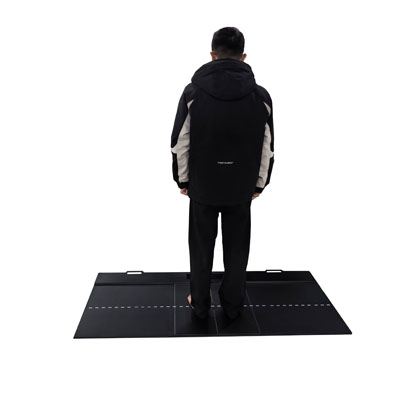
Advantages of designing and manufacturing insoles with plantar pressure measuring instruments:
1. Scientific data. The sensitivity can reach 4 sensors per square centimeter, which cannot be matched by visual observation. Judgement based on experience carries significant errors and may lead to subjective misjudgements due to lack of data support.
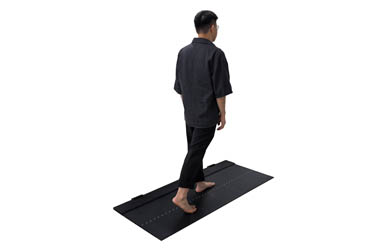
2. More dynamic data. The plantar pressure measuring instrument captures real-time pressure changes during walking or running, and records the force conditions throughout the entire foot movement process.
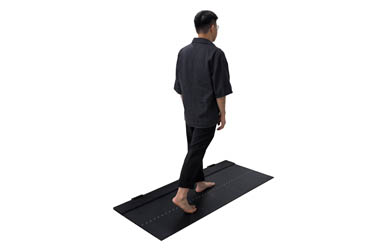
3. Rapid measurement feedback. Generally, data analysis can be completed after several walking back-and-forth passes to capture natural gait.
4. Data-guided design. It effectively improves the accuracy of insole correction, reduces repeated adjustments, enhances treatment outcomes, cuts trial-and-error costs, helps users improve gait at an earlier stage and boosts user satisfaction.
5. Physical induction measurement with zero radiation and no harm to the human body. The whole process is natural and comfortable, suitable for all populations including athletes, rehabilitation patients and people with heavy body weight.
6. Data-based comparison for effect tracking. Historical data can be retrieved for comparison during follow-up re-evaluation to directly visualize improvement progress.
 Back to list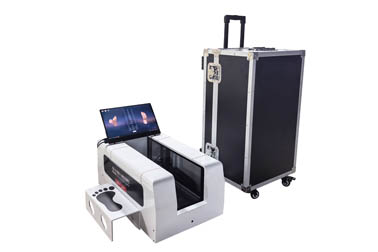


 +86-0755-86131192