
 +86-0755-86131192
 2026-08-27
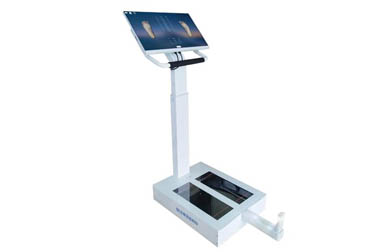
The plantar pressure analysis system is a device that uses high-sensitivity pressure sensors built into a pressure plate to real-timely sense plantar pressure data of various foot parts and relevant gait data when a person stands still or walks.
The plantar pressure distribution system generally has three measurement modes, namely static measurement, dynamic measurement and balance measurement.
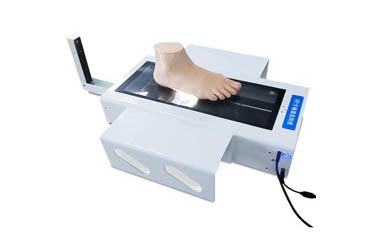
For static measurement, users only need to stand still on the sensing area and wait for the measurement to complete.
The measurement process is simple, which generally takes only about 3 to 10 seconds. During the measurement, users need to keep the body relaxed and natural, and stand naturally as usual.
Static measurement is mainly used to collect steady-state plantar pressure data, including plantar pressure heat maps; the peak pressure and average pressure of the heel, arch, forefoot, first to fifth metatarsals and toes; center of gravity coordinates, center of gravity offset, center of gravity swing trajectory and left-right foot weight-bearing ratio; plantar arch pressure index, for screening flat feet, high arches and low arches.
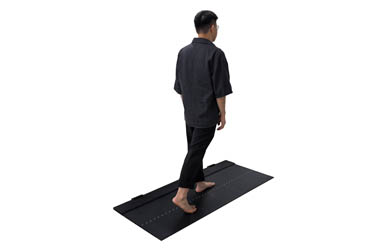
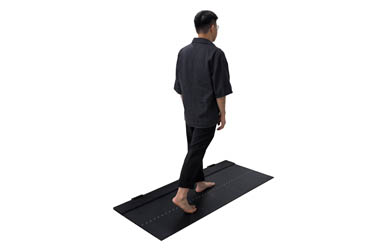
For dynamic measurement, testers need to walk back and forth across the sensing area of the test pressure plate for 3 to 5 times. During walking, users should keep a natural posture without deliberate walking or psychological pressure, so that the measured data can be closest to the real situation.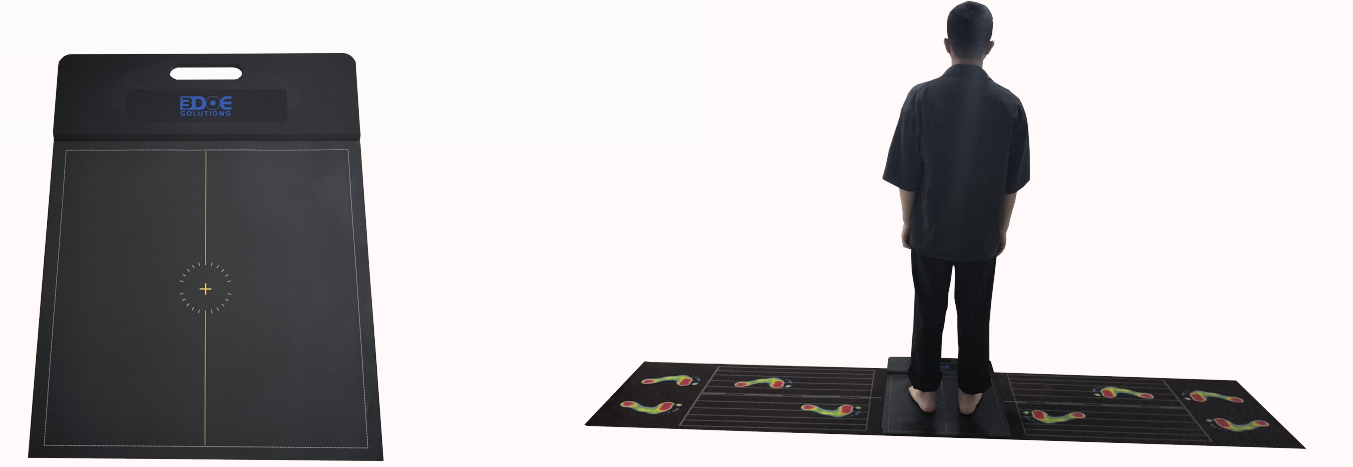
Dynamic measurement mainly captures the time-varying pressure curve of plantar pressure at each step during walking.
The general plantar contact sequence forms a complete cycle: heel landing → full foot weight bearing → forefoot push-off.
The measurement method of balance measurement is the same as that of static measurement, which only requires simple standing still. Certainly, some application scenarios conduct separate standing tests with eyes open and eyes closed, mainly to measure human body balance data.
The data of balance measurement mainly include center of gravity trajectory length, basic support area, maximum anterior-posterior distance of center of gravity, maximum left-right distance of center of gravity, 95% confidence area, center of gravity speed, body swing curve and left-right swing curve.
After the measurement is completed, users can export measurement reports of each single measurement mode or a comprehensive measurement report covering the three modes. All data in the measurement reports are displayed visually, allowing users to clearly understand their foot data and health status.
In addition to measurement reports, the system supports data export in formats such as CSV.
The plantar pressure distribution system is widely applied in multiple fields, including gait assessment for stroke hemiplegia, cerebral palsy and post-operative ankle-foot rehabilitation; pressure risk screening and ulcer risk assessment for plantar fasciitis, hallux valgus and diabetic foot; screening and follow-up of children’s flat feet, in-toeing/out-toeing and X/O leg gait; athlete gait analysis, running injury risk assessment, running shoe selection and sports technique optimization; customized manufacturing of personalized orthotic insoles, research and testing of rehabilitation shoes and sports shoes, as well as physical health examination, adolescent posture screening and scientific research and teaching.
 Back to list


 +86-0755-86131192