
 +86-0755-86131192
 2026-09-16
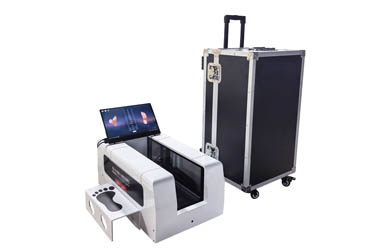
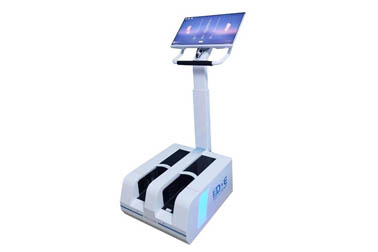
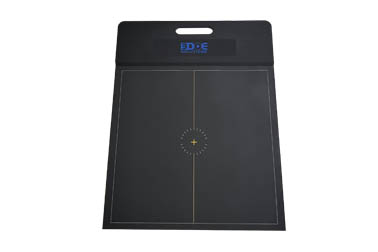
Gait analysis pressure plate is a kind of equipment that utilizes high-sensitivity pressure sensors to real-time sense data such as plantar pressure distribution when a person is in different motion states.
This kind of equipment is often applied in the customization of insoles.
Its specific application process is as follows:
1. Collect data such as plantar pressure distribution through the plantar pressure plate.
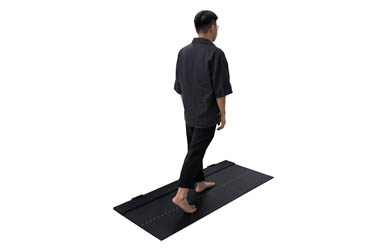
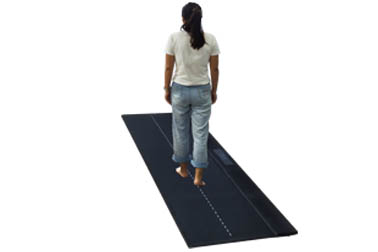
The tester stands barefoot statically or walks back and forth on the pressure test plate to perform measurement, acquiring plantar pressure static data or dynamic measurement data.
These data include: plantar pressure distribution, maximum pressure value, force condition of each area, plantar contact area, left and right foot pressure difference, center of pressure trajectory, gait cycle, support time, as well as force changes in areas such as the forefoot, arch, and heel.
2. Judge the health status of the foot through pressure data and pressure cloud maps.
After the test is completed, a detailed measurement report will be generated; through the generated pressure cloud map and measurement data, we can judge our foot health status.
For example, through the data of the heel area, judge the force condition of our feet when landing and the difference between left and right feet.
Through observing the arch area, judge whether flat feet or high arches exist, which also provides data reference for the correction design of insoles.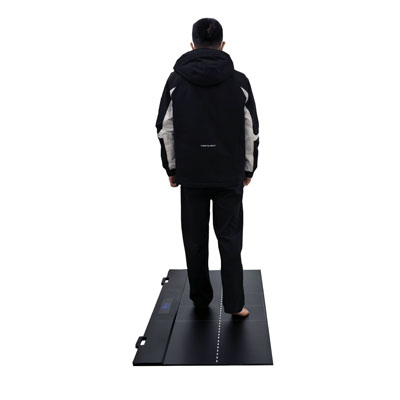
3. Convert pressure data into parameters for insole data.
One can directly import pressure data into insole design software to generate parameters needed for insole design.
Designers then, according to specific data analysis, perform parameter adjustments on corresponding areas, such as performing local decompression, cushioning, adjusting the heel cup, arch height, and pressure redistribution, etc.
4. Combine with foot 3D scanning to perform personalized modeling.
To perform the design of insoles, besides pressure data, modeling is a very important step.
Through a plantar 3D scanner to perform measurement, acquire plantar 3D model data, and then import 3D data into insole design software to perform personalized insole modeling.
The process flow of insole design is: 3D foot scanning — acquire foot 3D model — plantar pressure gait test — acquire plantar pressure data — data fusion — perform insole CAD design, generate personalized insole model — process through CNC or 3D printing — finished insole — wearing experience (if feeling uncomfortable during wearing, it still needs to be re-adjusted).
 Back to list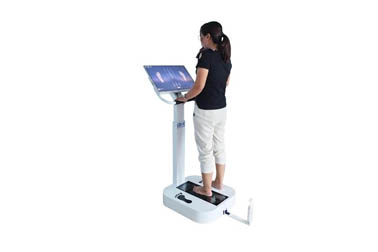


 +86-0755-86131192