
 +86-0755-86131192
 2026-09-14
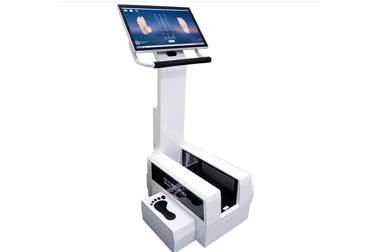
A digital foot scanner uses 3D scanning technology to quickly capture the human foot, obtain the 3D shape and related dimensional data of the foot, and present the foot information in a digital format.
The digital foot scanner can quickly obtain data such as foot length, foot width, instep height, arch height, and foot contour, while also generating an intuitive 3D foot model and measurement report. It has the characteristics of fast measurement, intuitive data, and non-contact data collection, and is currently widely used in rehabilitation medicine, custom shoe stores, and health checkups.
1. Applied in the field of rehabilitation medicine.
In hospitals, offline rehabilitation centers, and other scenarios, the digital foot scanner can be used to digitally collect the patient's foot shape, providing data reference for foot assessment, rehabilitation training, and the formulation of correction plans, making it a relatively practical auxiliary device for rehabilitation assessment.
Traditional manual measurement mainly relies on rulers, measuring tools, and the doctor's experience for judgment. The measurement items are relatively limited, and different operators may have certain differences, while 3D scanning with a digital foot scanner can quickly obtain more comprehensive foot dimensional and shape data, allowing the foot condition to change from traditional manual observation to a more intuitive data-based assessment.
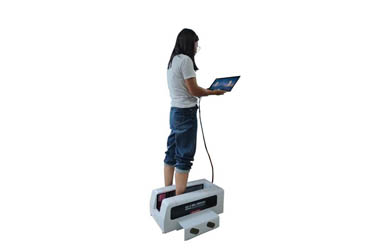
Its 3D scanning results are also more intuitive. Users can clearly understand their foot shape and dimensional conditions through the 3D foot model and measurement report, and the entire scanning process is very simple. Usually, the subject only needs to maintain the required posture, and the device can quickly complete the collection of foot data.
In rehabilitation medicine, digital foot data can also be used for before-and-after comparison. According to the measurement results at different stages, changes in foot shape and related dimensions can be observed, providing a data basis for adjusting rehabilitation plans, making the rehabilitation process more standardized, and also making it convenient for medical staff to conduct phased effectiveness assessments.
Especially for people who need long-term foot rehabilitation, orthotic assistance, and functional training, continuously collecting foot data can make it more convenient to record changes, allowing rehabilitation assessment to gradually change from a single examination to continuous data tracking, helping improve the refined level of rehabilitation management.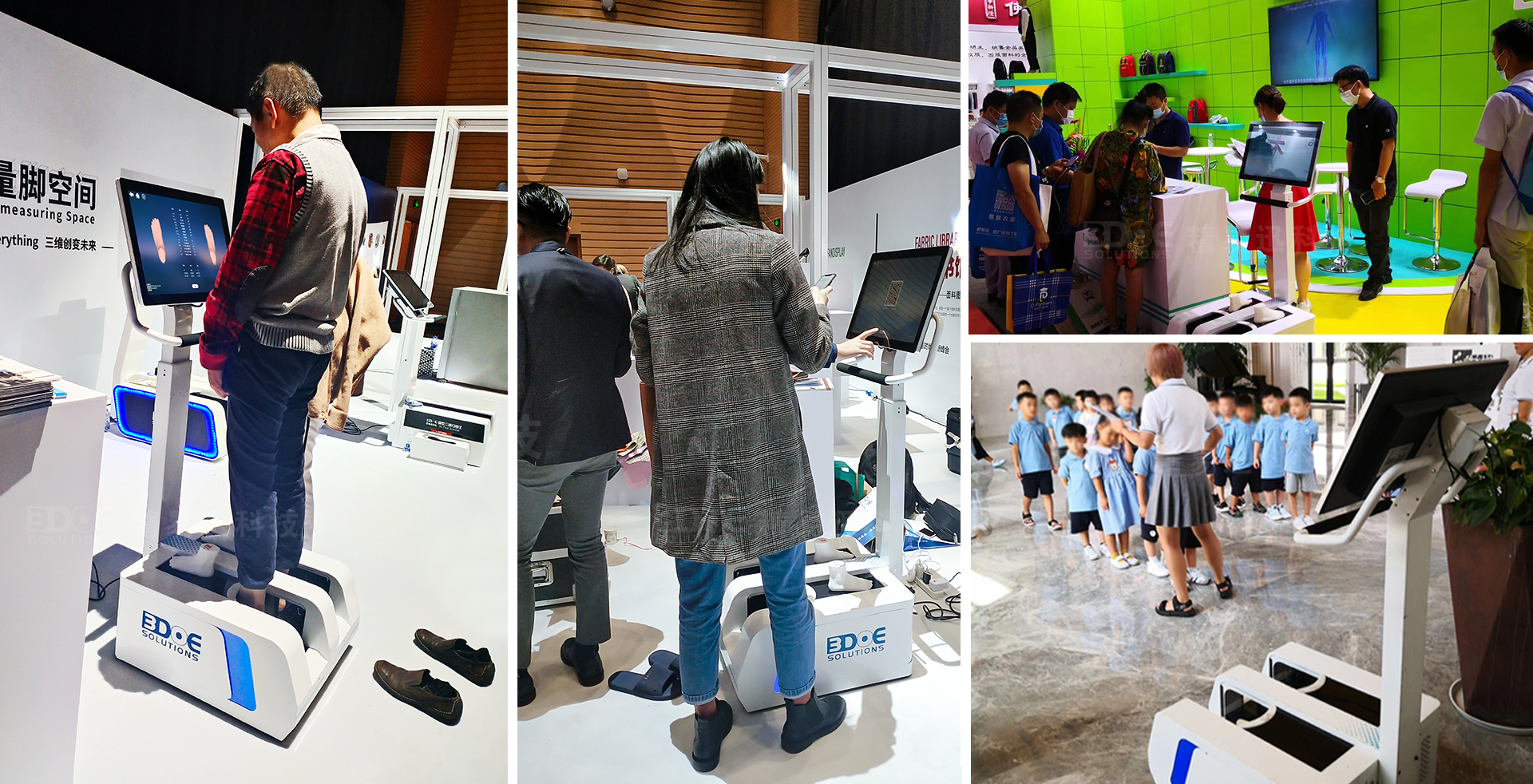
2. Applied in custom shoe stores and footwear retail stores.
Especially for people who need custom insoles, custom shoes, or have high requirements for shoe comfort, traditional shoe selection mainly relies on foot length, foot width, and the feeling of trying on shoes, making it difficult to fully understand the dimensions and shape of the foot. This can easily lead to problems such as improper shoe sizes and insufficient local space, affecting the wearing experience.
Through measurement with a digital foot scanner, data such as foot length, foot width, instep height, and foot contour can be quickly obtained, and the consumer's foot information can be digitally recorded, helping staff understand the consumer's foot shape characteristics more comprehensively.
The system can also provide more intuitive measurement results according to the collected foot data, allowing consumers to clearly see their foot dimensions and 3D shape, while also changing the traditional shoe recommendation based on experience into shoe selection and customization services with more data support.
It can also design and match personalized insoles and footwear products according to the foot data of different consumers, making the products more suitable for the actual foot shape. This can not only improve the consumer's wearing experience, but also make the store's services more professional and enhance customers' trust in the store.
For custom shoe stores, digital foot scanning can also save consumers' foot data, making it convenient to conduct subsequent measurements and data comparisons, allowing stores to gradually establish digital customer foot-shape profiles, and develop from simply selling shoes to providing foot measurement, product matching, and personalized customization services.
3. Applied in health checkups.
Especially for children and adolescents, the foot shape is in the stage of growth and development. Regular foot data collection can provide a more timely understanding of changes in foot dimensions and shape, providing data reference for the early detection of potential foot problems.
Health checkup institutions can also use digital foot scanners to quickly complete 3D foot data collection, presenting foot shapes that are traditionally difficult to display intuitively through 3D models and digital reports, helping staff complete foot-specific screening more efficiently.
By recording and analyzing data such as foot length, foot width, instep height, and arch height, a more complete foot data profile can be established, and corresponding foot health recommendations can be provided to the subject based on the test results, allowing foot examinations to move further from simple manual observation toward digitalization and standardization.
Its characteristics of simple operation, fast data collection, and non-contact measurement also make it suitable for health checkup institutions to carry out batch screening, which can improve the efficiency of foot-specific testing while allowing subjects to understand their foot conditions more intuitively and providing a data foundation for subsequent foot health management.
 Back to list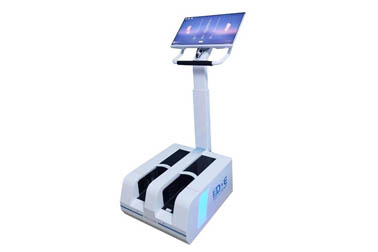


 +86-0755-86131192