
 +86-0755-86131192
 2026-09-17
For ordinary insole production, judgments are generally made mainly by observing foot shapes and measuring foot dimensions. This method can obtain the external‑form data of feet, yet it cannot directly reflect how plantar pressure distributes and changes when a person stands, walks or engages in physical activities.
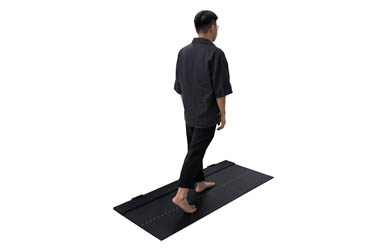
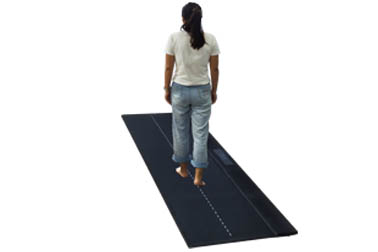
By contrast, the gait‑analysis pressure‑testing system can collect plantar‑pressure data under conditions such as static standing and dynamic walking, so as to acquire more comprehensive information about foot‑sole loading. Such information includes plantar‑pressure distribution, pressure differences between the left and right feet, pressure variations across the forefoot and hindfoot, peak plantar pressure, weight‑bearing regions of the foot sole, and pressure changes throughout the gait cycle.
When manufacturing custom functional insoles, understanding the force‑bearing conditions of the feet constitutes a critically important step.
If insole design is based merely on foot shapes or three‑dimensional foot models, the shapes of feet and structures such as the foot arches can be known. Nevertheless, it is impossible to fully learn how much pressure different regions of the foot sole bear during actual standing and walking. Nor can specific force‑bearing problems be identified solely through external morphology.
Using the gait‑analysis pressure‑testing system, we can not only obtain plantar‑pressure data but also analyze foot‑sole force‑bearing conditions during standing and walking. For instance, we can observe pressure distribution over the forefoot, heel and left‑right feet. Pressure data can help detect certain abnormally loaded regions, thereby furnishing more objective data references for subsequent insole design.
The core of manufacturing custom functional insoles does not lie in simply producing insoles that match the contours of foot soles. Instead, according to foot structures and actual force‑bearing characteristics, extra support should be added at corresponding positions, pressure should be dispersed, and local loads should be relieved. Insoles designed in this manner can better meet users’ practical requirements.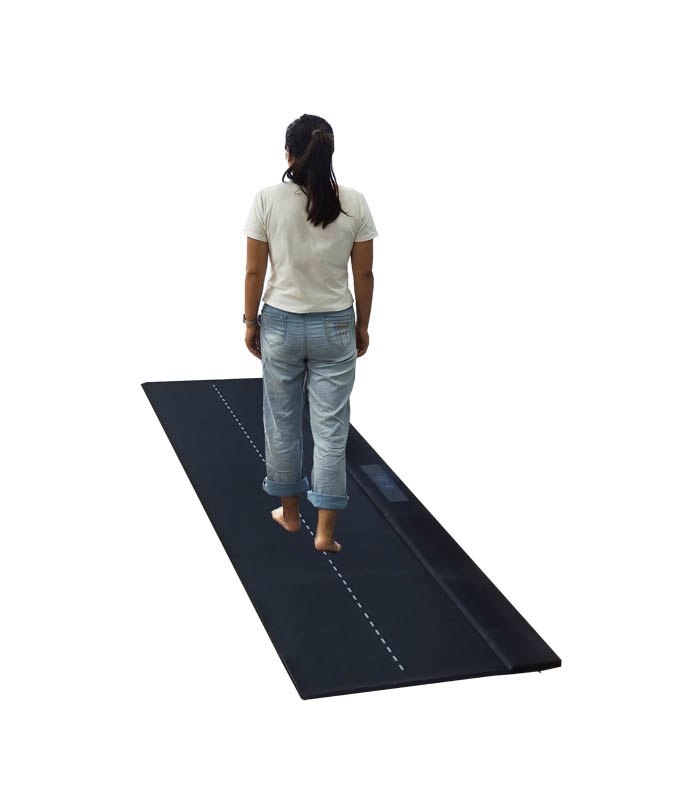
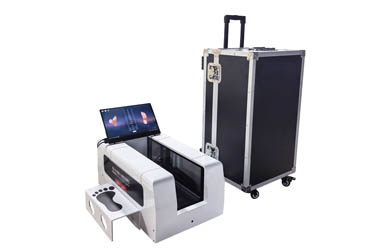
After gait‑analysis pressure testing yields plantar‑pressure test data and relevant analytical findings, designers can conduct comprehensive analysis of foot external morphology and force‑bearing conditions by combining three‑dimensional foot‑scan data.
Designers can carry out targeted personalized design directly based on pressure‑test results. For example, decompression design can be adopted for high‑pressure zones, structural adjustments can be performed for positions requiring support, and integrated design can be completed with reference to data covering arch profiles, heel conditions and left‑right foot discrepancies.
Upon design completion, insole data can be exported directly. After professional data processing, the data are imported into an insole engraving machine or an insole 3D printer for insole fabrication. In this way, a complete digital customization workflow covering measurement, analysis, design and production can be established. It shortens production cycles and improves overall work efficiency.
In the absence of plantar‑pressure test data, designers rely largely on foot external forms, personal experience and customer feedback for judgment. Some force‑bearing problems cannot be spotted with the naked eye. Issues such as inaccurate support positions and unreasonable decompression zones may readily emerge in the design process. Consequently, the real‑world wearing performance of insoles may deviate from design expectations.
The gait‑analysis pressure‑testing system, however, converts originally invisible foot‑sole force‑bearing conditions into visualizable pressure data. It enables designers to gain more intuitive insight into variations in customers’ plantar loading during standing and walking.
Especially for functional‑insole manufacturing, measuring only three‑dimensional foot morphology can answer the question “what shape is the foot”. With plantar‑pressure testing incorporated, we can further understand “how the foot bears forces”. The combination of these two sets of data provides more thorough evidence for insole design.
 Back to list


 +86-0755-86131192