
 +86-0755-86131192
 2026-11-09
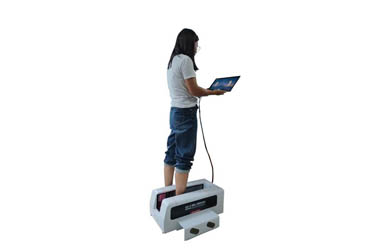
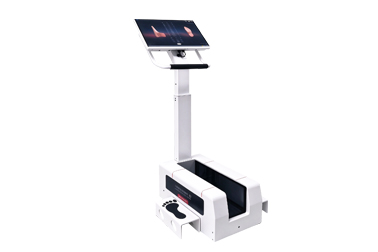
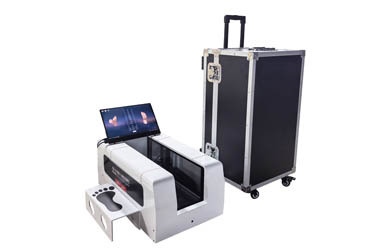
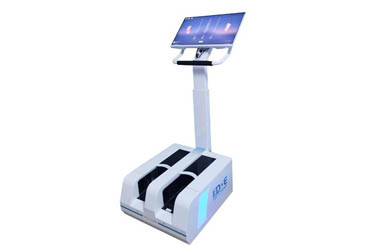
The plantar pressure and gait analyzer is a device that collects the pressure changes of various parts of the sole in real time through pressure sensors when a person is standing still or walking.
In addition to measuring plantar pressure, it also measures and analyzes the trajectory of the center of gravity movement, balance and center of gravity parameters (static standing balance), dynamic gait time-force parameters (walking process), and the trend of force changes on the heel, metatarsal, toes, and arch over time during the gait cycle.
Inside the pressure plate, there are thousands or even tens of thousands of tiny pressure sensing units. When a person stands still or walks on the pressure plate, the sensors deform under pressure, and the resistance/capacitance of these sensor units changes with the pressure, converting these mechanical pressures into electrical signals.
At the same time, high-speed sampling and acquisition equipment is placed inside the pressure plate, which can collect real-time signals from all sensors in real time, fully record them, and generate raw data.
For computing, there is specialized supporting software that receives electrical signals and converts them into pressure, force, contact area, etc., generates color pressure heat maps, and calculates biomechanical indicators such as center of gravity, gait time, arch, zonal force, and angle, outputting analysis reports, curves, and charts.
3DOE's plantar pressure and gait analysis system supports three measurement modes: static measurement, dynamic measurement, and balance measurement.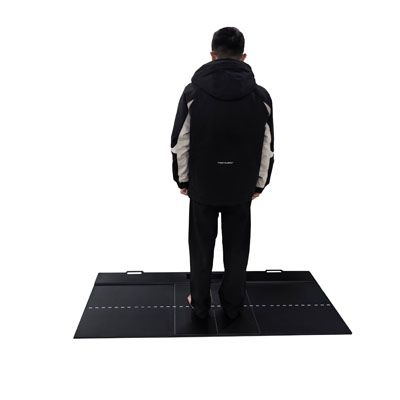
During static measurement, you only need to stand still on the pressure plate, click the start button on the software, and the test can be completed in just a few seconds.
Balance measurement is the same as static measurement; you only need to stand still for a few seconds, but the generated measurement report data is different because the measured and analyzed items are different.
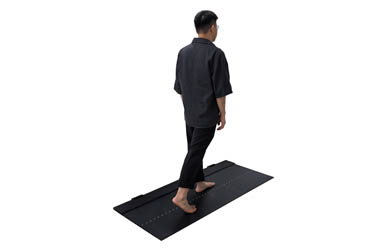
During dynamic measurement, a person needs to walk back and forth across the pressure plate, generally walking 3-5 times, and then analyze these data to generate a measurement report.
These measurement data have wide applications. For example, measuring total foot pressure (kg) and the proportion of forefoot and rearfoot pressure can be used to analyze the weight distribution of both feet and the proportion of body weight borne by the forefoot and rearfoot.
Measuring the contact area (cm²) of the whole foot, forefoot, arch, and heel can be used to analyze the size of the foot's contact with the ground; the contact area of the arch is larger in flat feet.
Measuring the maximum high-pressure point, average pressure, and maximum/average forefoot pressure can analyze local pressure and identify areas prone to strain due to local high pressure.
Measuring the arch index, arch type, and maximum/average arch pressure can determine the arch condition, normal arch, and flat foot grade.
By measuring heel width, heel contact area, and heel maximum pressure, one can assess heel force and the tendency for heel eversion or inversion.
Measuring balance data is mainly to judge standing stability; the greater the deviation, the more obvious the body sway.
In clinical applications, measurements through the plantar pressure plate are mainly used to judge flat feet/high arches, in-toeing/out-toeing, asymmetric force on both feet, and local high-pressure risks; used for foot pain assessment, rehabilitation, custom orthotic insole customization, sports injury screening, etc.
 Back to list


 +86-0755-86131192