
 +86-0755-86131192
 2026-06-22
Currently in clinical practice, evaluating foot deformities such as flat feet and high arches through 3D foot laser scanners is also a very precise and advanced method.
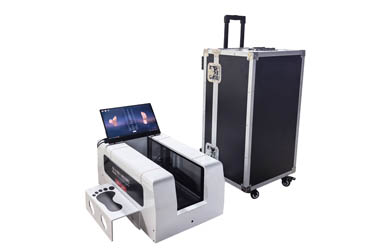
The 3D foot laser scanner utilizes non-contact laser scanning technology, and by emitting laser beams to perform a comprehensive and rapid scan of the foot, it can construct a high-precision 3D digital model of the foot in an extremely short time, and can accurately acquire stereoscopic morphological data such as the foot's length, width, height, and arch curvature.
It only takes a few tens of seconds to complete the measurement, the detection speed is fast, the operation is simple, the accuracy can be as high as 0.5mm, and the data and measurement reports can be applied in multiple fields.
So, how does the 3D foot laser scanner evaluate flat feet and high arches? What is the principle?
Generally, it is through the Arch Height Index, or AHI automatic calculation, and then conducting graded assessment.
Arch Height Index = Height of the highest point of the dorsum ÷ Foot length
When the Arch Height Index is > 0.21, it is evaluated as high arches.
When the Arch Height Index is between 0.175 ~ 0.21, it is evaluated as normal feet.
When the Arch Height Index is between 0.155 ~ 0.175, it is evaluated as mild flat feet.
When the Arch Height Index is < 0.155, it is evaluated as moderate to severe flat feet.
If through the device's detection, our feet present situations of arch collapse or excessively high deformities, then sufficient attention should be aroused.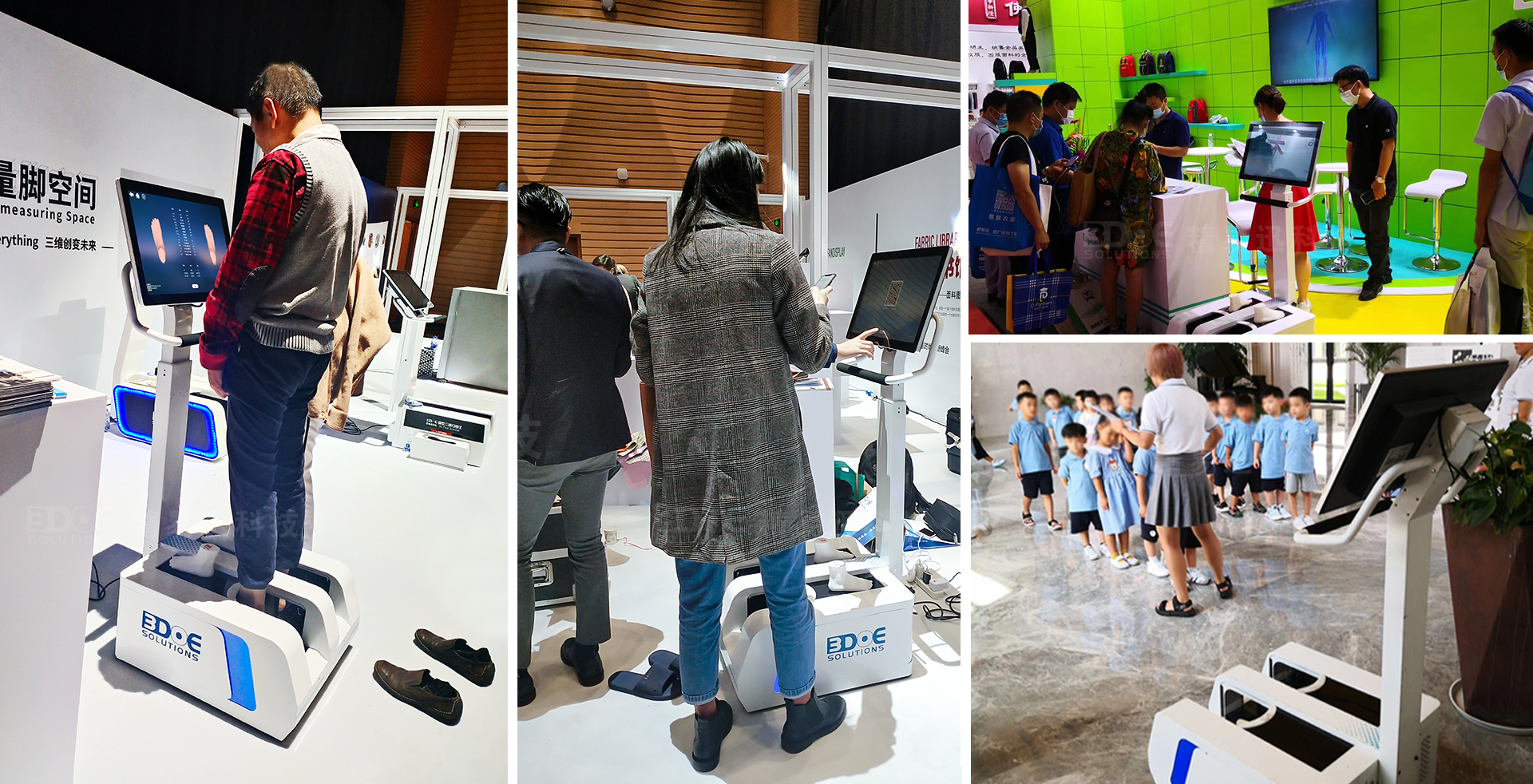
Especially for moderate to severe flat feet and high arches, even more attention must be paid; intervention can be done through methods such as customizing orthotic insoles or conducting functional training, and it is best to have guidance and correction from professional foot and ankle doctors and rehabilitation therapists.
If severe foot deformities are not corrected for a long time, it is very likely to lead to the occurrence of the following hazards:
1. It will cause plantar fascia tightness, plantar pain, heel pain, etc., when we are exercising or walking under load.
2. It will alter the lower limb force line, triggering the appearance of symptoms such as hallux valgus, hammer toes, and plantar calluses.
3. It will cause us to experience symptoms such as ankle instability, knee valgus, X-shaped legs, anterior pelvic tilt, scoliosis, and leg length discrepancy.
Our feet are the foundation of the human body; once foot morphology appears abnormal, it will not only cause local discomfort but also induce changes in the lower limb biomechanical line, thereby affecting the skeletal health of the whole body; it can be said that a slight move in one part may affect the situation as a whole, and we must definitely attach full importance to our foot morphology.
Especially for adolescents and children in the growth and development stage, whose foot bones are in a rapid development stage and possess strong plasticity, being able to conduct regular testing and detect hidden dangers early to intervene in time is very necessary, and can better safeguard the postural health of adolescents and children.
 Back to list


 +86-0755-86131192