
 +86-0755-86131192
 2025-08-28
Application of Plantar Pressure Plates in Matching Footwear Equipment for Athletes
Plantar pressure plate technology, through precise biomechanical analysis, significantly improves the personalized matching of footwear equipment for athletes. This technology can provide a scientific basis for sports equipment design and help athletes select the footwear products that best suit their own biomechanical characteristics.
1. Core Technical Principles
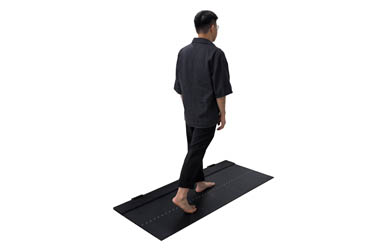
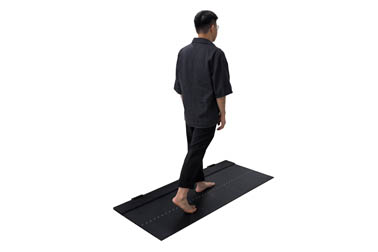
Plantar pressure plates use high-precision sensor arrays capable of recording real-time pressure distribution in different regions of the foot during movement with millisecond-level resolution. By analyzing pressure data during static standing and dynamic movement, key parameters such as arch shape, landing patterns, and pressure peaks can be accurately quantified.
Modern systems are usually equipped with synchronized motion capture functions, allowing for integrated analysis combined with three-dimensional motion data.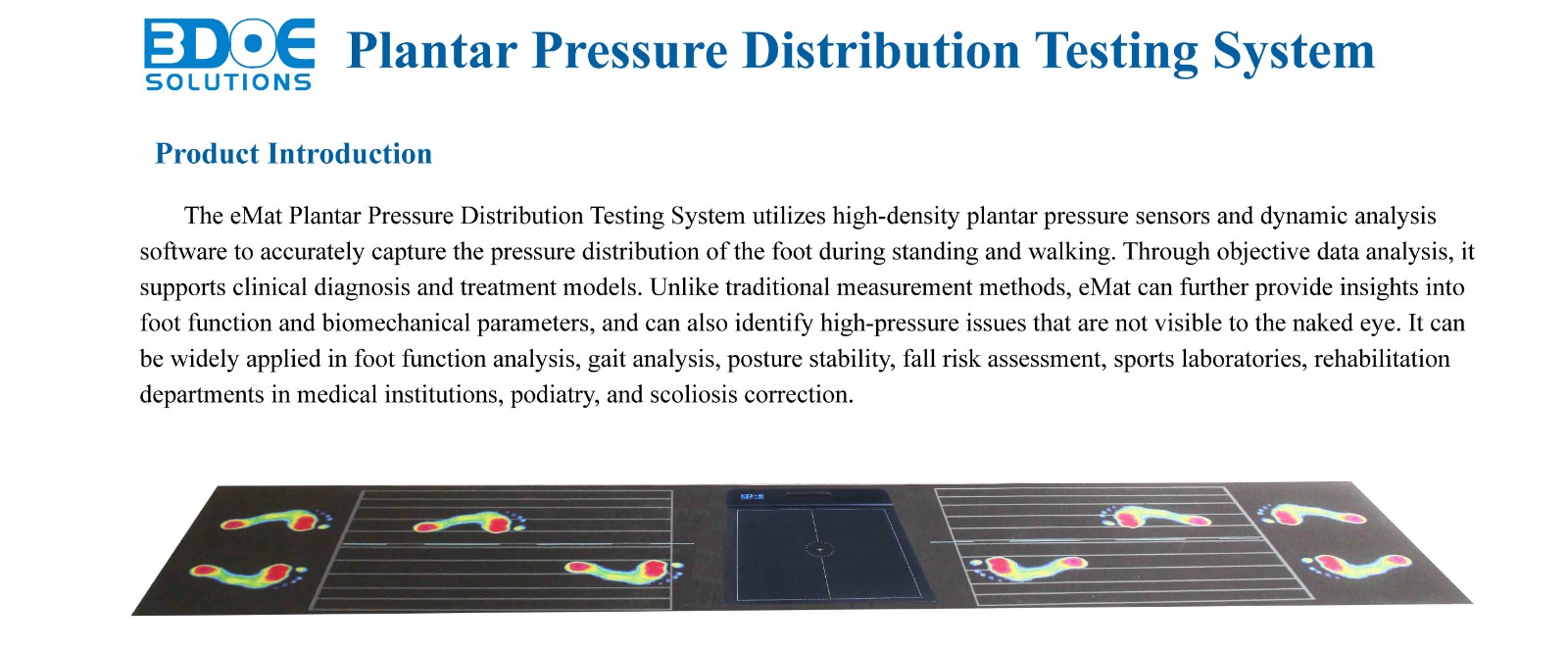
2. Specific Application Methods
Personalized Foot Type Analysis
Through static pressure testing, determine foot arch types (high arch, flat foot, etc.) and foot load characteristics, providing basic data for custom insoles or selecting suitable shoe models.Sports Mode Assessment
Analyze landing patterns (forefoot/heel landing) and pressure distribution changes during specific activities such as running and jumping, identifying abnormal load areas.Equipment Adaptation Verification
Compare the effects of different shoe models (e.g., cushioning type/stability type) on plantar pressure to evaluate the actual performance of footwear equipment.
3. Application Advantages
Precise Matching: Guide shoe selection with quantified data, avoiding the subjectivity of traditional experience-based judgment.
Injury Prevention: Identify abnormal load patterns to prevent sports injuries (e.g., metatarsal pain, Achilles tendinitis).
Performance Optimization: Optimize running shoe design for professional athletes, enhancing sports performance.
4. Typical Cases
Basketball players, through plantar pressure analysis, found uneven pressure distribution during forefoot landing. After customizing shoes with specific cushioning areas, their performance significantly improved, and injury risk decreased. Marathon runners use this technology to optimize shoe cushioning, improving running economy.
5. Technology Development Trends
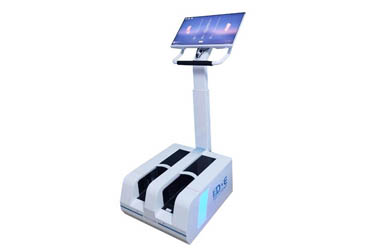
Modern plantar pressure systems are moving toward wireless and portable designs, and some devices can already be integrated into smart running shoes for real-time monitoring. In the future, combined with AI algorithms, this will enable smarter equipment recommendations and sports injury early warning functions.
This biomechanically based scientific evaluation method is fundamentally changing the traditional way of selecting sports equipment, providing athletes with truly personalized equipment solutions.
 Back to list


 +86-0755-86131192