
 +86-0755-86131192
 2026-05-22
Orthotic insoles are often applied to correct foot deformities such as flat feet, high arches, foot varus and foot valgus.
Auxiliary correction through orthotic insoles is the choice of most people, because it subtly improves foot health, enables the feet to gradually return to a normal state, and is risk-free, low-cost and painless, requiring only normal wearing.
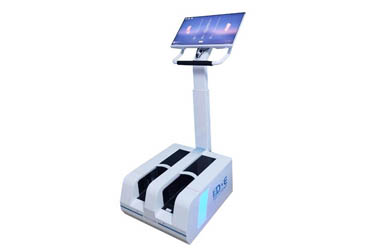
The design of orthotic insoles often requires the application of a plantar three-dimensional scanner and a plantar pressure distribution system.
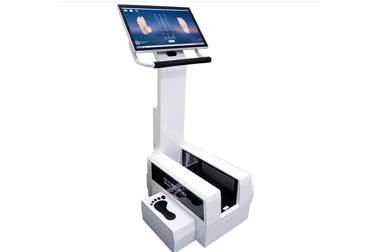
Among them, the plantar three-dimensional scanner is used to measure three-dimensional data, which is imported into design software for the design of insole models.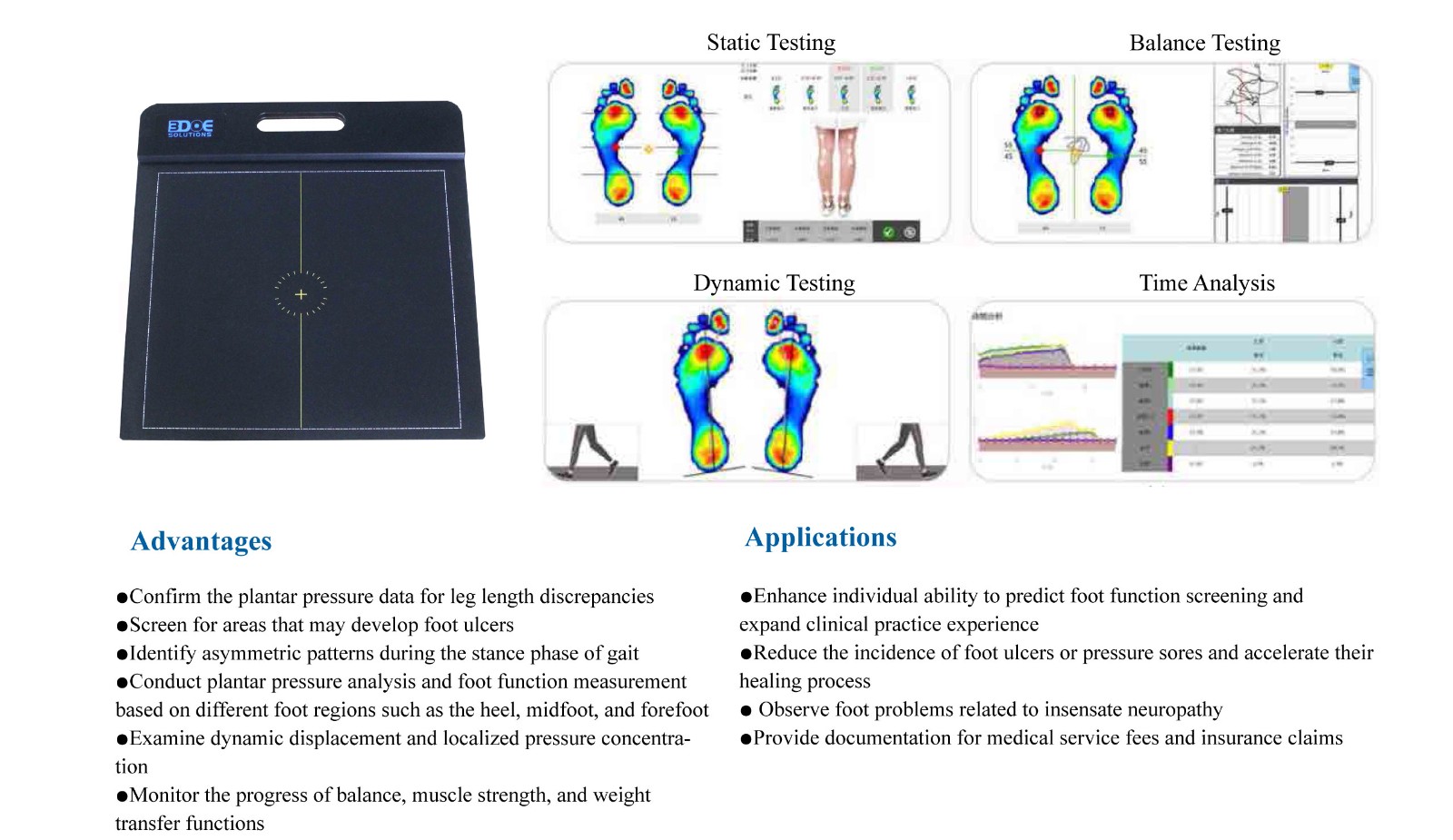
Then, what is the function of the plantar pressure distribution system?
1. Measure plantar pressure distribution data.
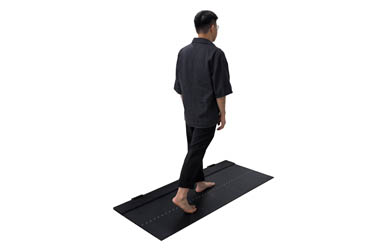
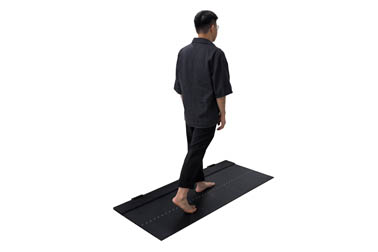
The plantar pressure distribution system adopts high-sensitivity pressure sensors to record the pressure distribution of various parts of the sole when a person is in a static or walking state.
These data include the pressure distribution of the forefoot, heel, medial and lateral sides, the dynamic gait pressure during walking, and the center of gravity trajectory under standing or walking states.
Through these data, we can accurately judge the presence of flat feet, high arches, foot valgus, foot varus and abnormal weight bearing.
With accurate data, our correction designers can provide scientific and reliable correction solutions.
2. Guide the production of insoles through plantar pressure data.
Plantar pressure data is very important in the design of orthotic insoles, as these data allow us to carry out accurate and targeted correction design.
For areas with excessive pressure, supporting materials can be appropriately added to enhance the cushioning effect.
For high-pressure areas, high-density materials or pressure-relief depressions can be used to disperse pressure and reduce plantar pain and damage.
For foot valgus and foot varus, corresponding supports can be added on the lateral or medial side to adjust the plantar biomechanical force line.
Experienced designers can design insoles that fully conform to your foot health conditions according to your plantar pressure distribution, truly achieving "customization based on foot conditions" and realizing personalized correction effects.
3. Rehabilitation effects of insoles designed based on plantar pressure data.
Insoles designed with reference to plantar pressure data can meet various foot correction needs.
For example, they can improve posture, and ultimately reduce the burden on the knee joints, hip joints and waist; they can prevent and relieve discomfort caused by flat feet, high arches and plantar fasciitis.
For people who stand for a long time, they can disperse plantar pressure and improve comfort.
They can assist rehabilitation training, feed back the progress and effect of correction by regularly testing changes in pressure, and continuously adjust rehabilitation solutions according to the data.
 Back to list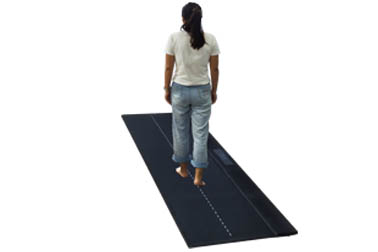


 +86-0755-86131192