
 +86-0755-86131192
 2026-03-03
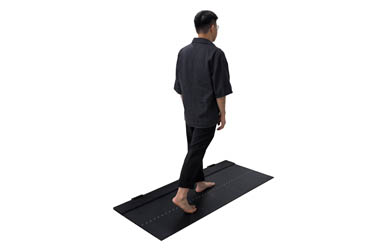
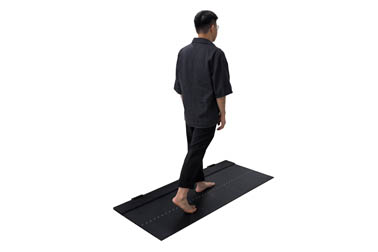
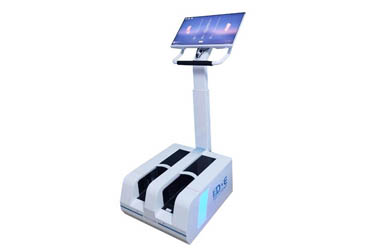
A plantar pressure testing device, also known as a plantar pressure testing plate, or simply a plantar pressure plate.
The core principle of this device is that an array of pressure sensors is built into the interior surface of the equipment. When a person stands still or walks across it, the built-in array sensors collect in real time the pressure distribution of various parts of the sole as well as related gait data.
The higher the density of the built-in pressure sensors, the higher the measurement accuracy.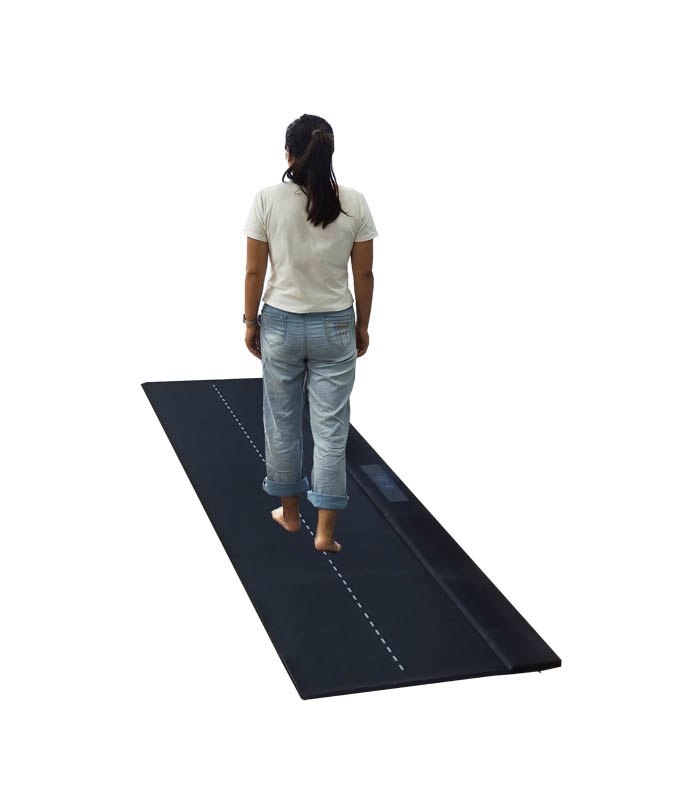
The data collected by the plantar pressure testing device mainly includes the following:
Overall static data: total foot pressure, total foot contact area, forefoot pressure ratio, rearfoot pressure ratio, high-pressure points, average pressure, foot progression angle, forefoot contact area, maximum forefoot pressure value, and average pressure.
Arch data: arch contact area, average arch pressure, maximum arch pressure, left and right arch types, arch index, assessment of flat foot and high arch.
Heel data: heel contact area, heel width, average heel pressure, maximum heel pressure, heel angle, lower leg angle, judgment of heel type (whether there is foot pronation or supination), and lower leg type.
Balance analysis data: center of pressure trajectory length, base of support area, average center of pressure velocity, center of pressure trajectory graph, and anterior–posterior shift curve.
In addition, there are plantar pressure trajectory graphs, bilateral foot force analysis, characteristic position maps, step length, stride length, step width, step time, cadence, and size analysis data.
These data can be applied to the design and production of corrective functional insoles, evaluation and analysis of flat feet and high arches, assessment of sports injury risks, diabetic foot risk screening, research and development and customization of custom-made shoes, and foot rehabilitation assessment.
 Back to list


 +86-0755-86131192